
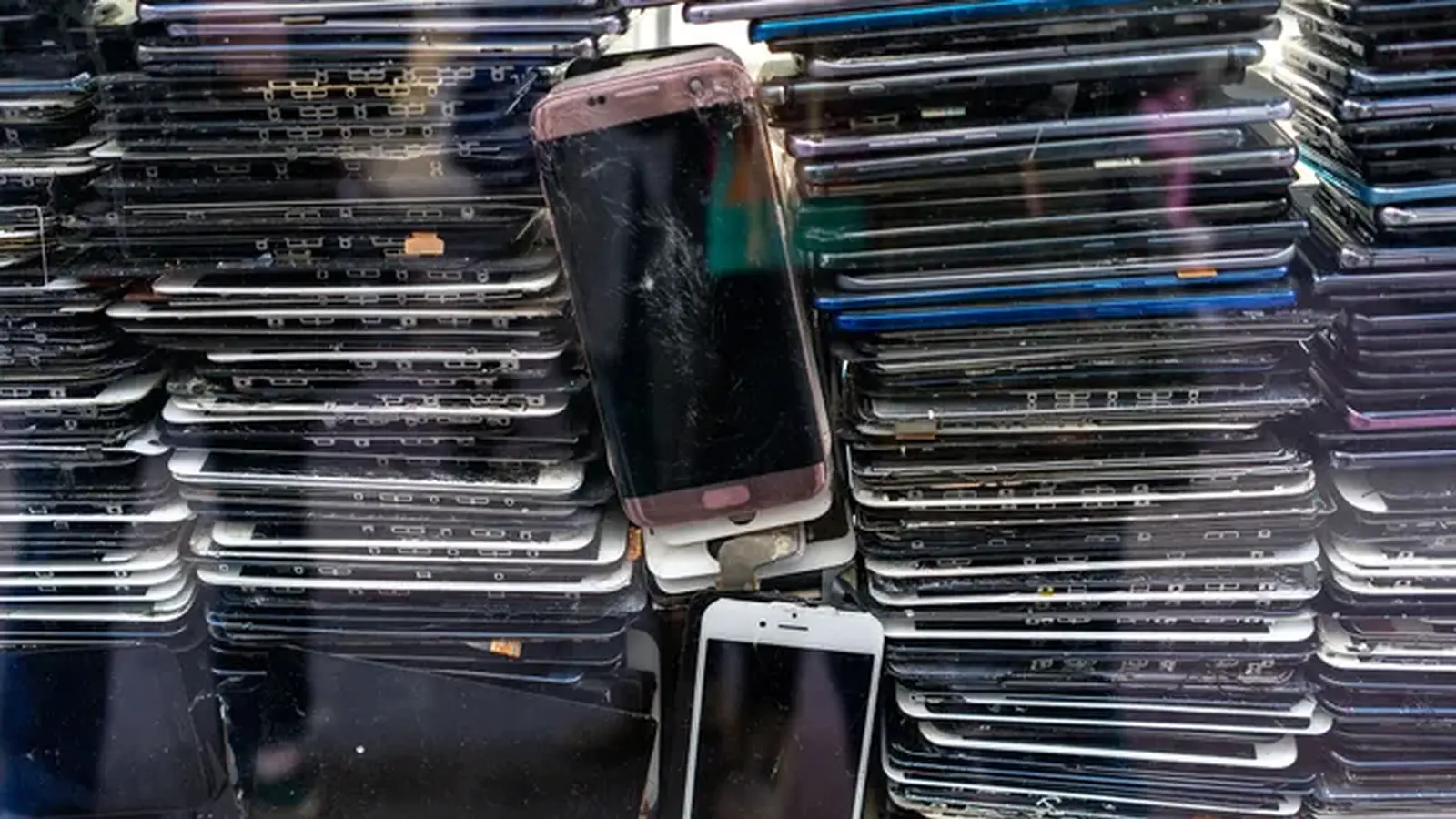
Imagine a classroom powered by a stack of obsolete phones humming quietly in the corner. Not flashy server racks. Not a cloud bill that makes your eyes water. Just a tangle of boards, chips and memories given a second life.
That scene is becoming real. Researchers at the University of California San Diego, working with Google, have repurposed retired Pixel phones as low-cost, local data center nodes. The goal is practical and urgent: reduce electronic waste and tap the latent compute in devices we toss aside every few years.
Phones stripped down, turned up
The trick is surprisingly straightforward. Screens, batteries, cameras, speakers and casings are removed until only the motherboard remains. Why keep anything else? The system-on-chip, the tiny brain soldered to that board, is what actually computes. Android is swapped out for a Linux distribution more suited to server workloads, and the phones are enrolled in container orchestration stacks like Kubernetes.
Benchmarks surprised even the skeptics. Single-core scores for three-year-old smartphones outpaced certain high-end server models in SPEC tests. That does not mean a phone replaces a full rack. It means that, with creativity, clusters of phones can shoulder tasks that would otherwise live in a pricey cloud instance. In the UCSD tests, 25 phones delivered computing power roughly equivalent to a two-socket server CPU. A 20-phone cluster supported a heavy classroom application for more than 75 students concurrently.

Scale is the next step. The team plans a 2,000-phone local data center designed to run a hundred similar classes at once. Cost savings are the headline. Building conventional servers from new parts—memory, storage, and specialized chips—has become expensive. Reusing retired mobiles can slash the bill to a fraction of that while also cutting the embedded carbon tied to manufacturing new hardware.
There are caveats. Durability is unknown. Consumer parts were never designed for 24-7 data center duty. UCSD will deploy the full system later this year to measure how components hold up under continuous load. And hyperscale AI companies will almost certainly keep buying custom, fault-tolerant hardware; they need guaranteed uptime and peak throughput. Still, for universities, small labs and cash-strapped organizations, this approach is an attractive middle path.
It is not an isolated idea. Last year another team investigated mini data centers made from phone clusters and deployed four phones to monitor undersea environments. The chips in those handsets are old by modern standards, yet they remain more capable than many real-world tasks require. Fun fact: NASA used a midrange Qualcomm 801, a 2014-era chip, to help Ingenuity the helicopter navigate on Mars.
Why does this matter beyond clever recycling? Because it changes assumptions about where compute lives. Edge computing has momentum, but most edge projects still rely on new hardware. Repurposed phones offer a pragmatic, lower-cost path to localized compute that can reduce latency, cut cloud bills and keep useful electronics out of landfills.
Could this become mainstream? Maybe not for mega-scale AI training. But for teaching environments, community labs, remote sensing projects and experimental infrastructures, the idea checks many boxes: cheap, distributed, and surprisingly capable. The next time your phone prompts an upgrade, think about a future where a classroom is the cloud.


“I love exploring gadgets, apps, and trends that redefine how we connect, work, and play in a digital world.”

Discussion
Leave a Comment
Comments (2)
Seems clever but is power efficiency and maintenance worth it? 25 phones = server OK but network, storage, uptime? if that scales, weirdly awesome tho
wow didnt expect phones to punch above servers, really cool. love the e-waste angle, but heat and longevity worries me… will be watching tests