
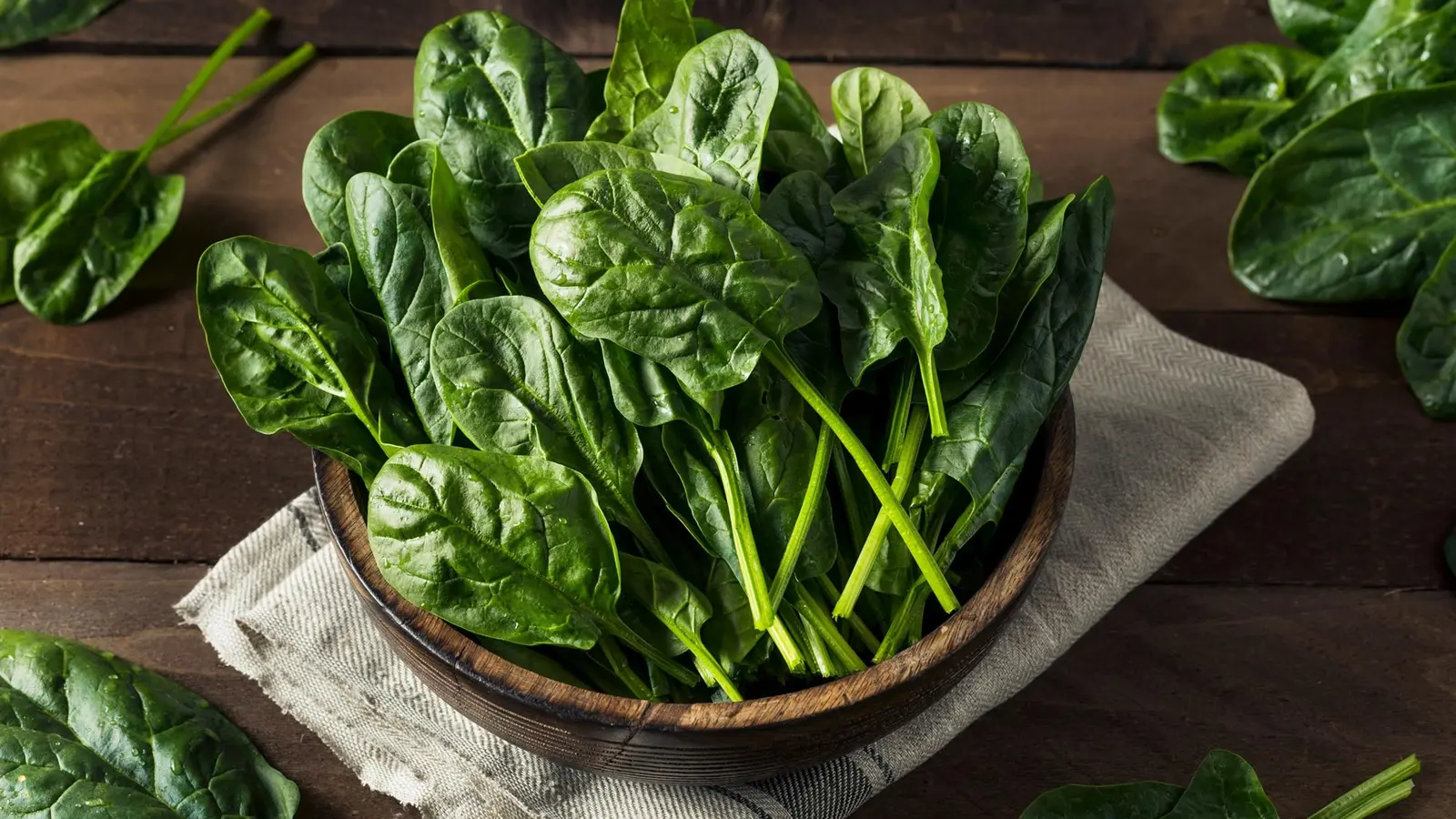
Spinach on the plate. Pain in the gut. For many people with inflammatory bowel disease, the healthiest foods can feel like a gamble.
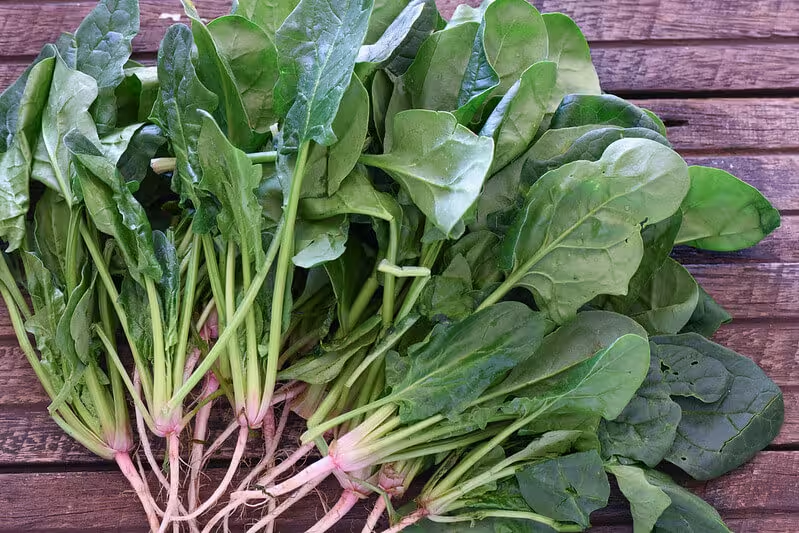
A surprising new study suggests that oxalate, a natural compound found in healthy foods such as spinach, almonds, and sweet potatoes, may worsen intestinal inflammation in people with inflammatory bowel disease (IBD).
When a familiar nutrient turns problematic
Oxalate is a simple molecule produced by plants and present in many plant-based staples. Most of the time it passes harmlessly through the digestive tract and leaves the body in stool. But researchers at the University of North Carolina School of Medicine have uncovered evidence that people with Crohn's disease or ulcerative colitis may handle oxalate differently, leaving more of it behind in the gut where it can inflame tissues.
The team combined clinical data, molecular analysis of patient tissue, lab cultures of immune cells, and several mouse models of colitis. Results point to a biological chain of events: depressed levels of specific intestinal transporter proteins, greater oxalate retention in the gut, and more intense immune activation at the mucosal surface. The work was led by postdoctoral scholar Anna Salvador in the laboratory of Shehzad Z. Sheikh and published in Cellular and Molecular Gastroenterology and Hepatology.
How the gut’s handling of oxalate changes in IBD
Two transporter proteins known to move oxalate across intestinal cells, SLC26A2 and SLC26A3, were consistently found at lower levels in tissue samples from people with Crohn's disease and ulcerative colitis. This deficit appeared across affected regions and even in areas not showing active inflammation at the time of biopsy. As inflammation rose, transporter expression dropped further, suggesting a feedforward loop where inflammation makes the gut less able to clear oxalate, which then worsens inflammation.
Diet alone did not explain higher oxalate levels in people with Crohn's disease. Using the Diet History Questionnaire III together with DNA metabarcoding of stool to identify plant species consumed, the researchers found that patients and healthy controls were eating similar amounts and types of plant foods. Yet stool oxalate concentrations were higher in the Crohn's group. The implication is clear: some disease-related change in intestinal biology, not simply diet, is increasing oxalate exposure inside the gut.
Evidence from mice and cells
Experiments in animals strengthened the case that oxalate is not merely a bystander. Mice given an oxalate-supplemented diet and exposed to a chemical that induces colitis were substantially more likely to die than mice without added oxalate. In genetically susceptible mouse strains that spontaneously develop colitis, dietary oxalate brought on inflammation earlier and with greater severity. Those same mouse models already showed reduced expression of oxalate transporter genes, mirroring the human tissue findings.
At the cellular level, oxalate amplified inflammatory signaling in macrophages and dendritic cells, two immune cell types that patrol the intestinal lining and orchestrate responses. When these sentinel cells encounter higher oxalate concentrations, they shift toward a more aggressive inflammatory profile, releasing cytokines and signals that can damage the mucosa.
Could transporter levels predict severe disease?
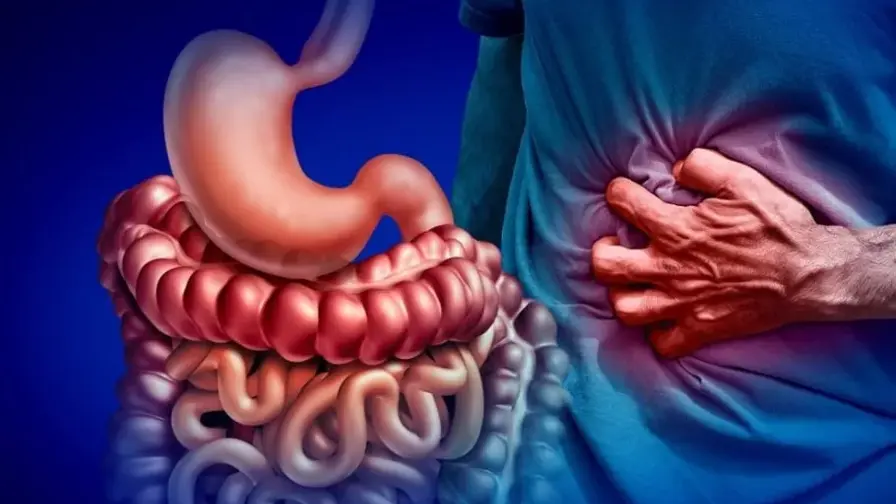
An exploratory part of the analysis linked low expression of a third transporter, SLC26A6, with stricturing Crohn's disease. In stricturing disease, repeated inflammation and scar formation narrow segments of the intestine and can lead to surgery. Nearly three quarters of patients with low SLC26A6 expression had this aggressive complication. That association needs confirmation in larger cohorts, but it raises the possibility that transporter profiling could one day help identify patients at higher risk of complications.
Practical meaning for patients
This research is not a prescription to abandon plant foods. Plants are rich in fiber, vitamins, minerals, and other compounds that support gut health, and many people with IBD thrive on well-designed plant-based diets. What the study does show is that biological differences in how an individual’s gut handles oxalate may change the effect that otherwise healthy foods have on inflammation.
Lowering oxalate intake might be one strategy, but it is not the only one. Some diets can be adjusted to reduce oxalate content without sacrificing nutrients. For others, the answer may lie in the microbes that inhabit the gut. Oxalate-degrading bacteria such as Oxalobacter formigenes are depleted in many people with IBD, and restoring these microbes could reduce intestinal oxalate exposure while allowing a varied diet to remain.
Expert Insight
Dr. Elena Morales, a gastroenterologist and clinical researcher who studies diet and immunity, commented on the study’s translational potential. "This work gives us a molecular mechanism to work against. It helps explain why two patients eating similar diets can have very different clinical experiences. Before we change therapy guidelines, we need prospective trials. Still, these results suggest a new, testable way to personalize diet and microbiome interventions for people with IBD."
What researchers want to do next
Investigators recommend larger longitudinal studies that pair careful dietary records with stool oxalate measurements, molecular profiling of intestinal tissue, and microbiome analyses. Such cohorts would help determine whether reducing intestinal oxalate, by diet, probiotics, or microbiome-directed therapies, actually lowers flare rates or complications in Crohn's disease and ulcerative colitis.
Clinical interventional trials are the logical next step. These might test low-oxalate dietary plans designed to preserve fiber and micronutrient intake, or they could evaluate microbial therapies that boost oxalate breakdown. Each approach has trade-offs. Diet changes require patient education and long-term adherence. Microbiome therapies must be safe, durable, and demonstrably effective at altering oxalate handling inside the gut.
Conclusion
By linking diminished oxalate transport, microbial imbalance, and heightened immune responses, this study opens a new window on how diet and biology interact in inflammatory bowel disease. It reframes a simple plant molecule as a potential modulator of gut inflammation, not just a passive dietary component. For patients and clinicians, the message is both cautionary and hopeful: dietary molecules can matter in disease, but they also offer modifiable targets for future therapies.
This study does not yet justify sweeping dietary changes for people with IBD; instead it points to concrete research pathways that could lead to personalized nutrition and microbiome treatments.


“The cosmos has always fascinated me. I write about space missions, astronomy, and the technologies pushing humanity beyond Earth.”

Discussion
Leave a Comment
Comments
No comments yet. Be the first.