
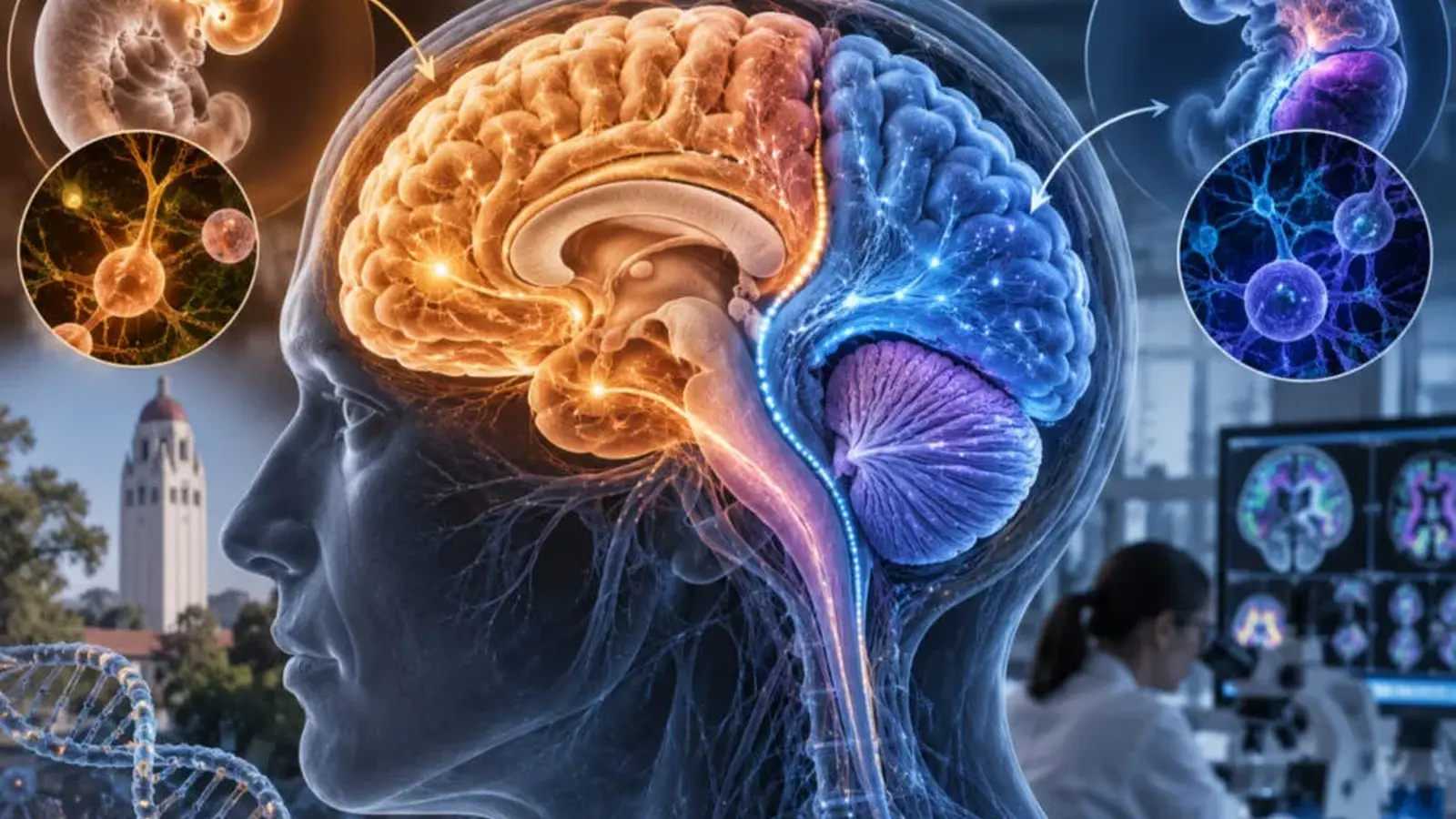
A simple lab puzzle cracked open a big story about our origins. Scientists at Stanford were trying to grow brain stem cells in dishes and ran into a stubborn fact: cells destined for the hindbrain refused to behave the way forebrain progenitors did. One multiplied smoothly. The other lagged, resisted, then revealed a deeper secret about brain architecture and evolution.
A split beginning written early in development
Careful observation of embryos during gastrulation, the stage when basic body plans are sketched out, showed two distinct groups of cells separating almost from the outset. Rather than arising from a single, undifferentiated parent population, the future anterior and posterior brain regions trace back to different cellular lineages. Genetic and epigenetic markers in these two populations are packaged differently, setting them on nonoverlapping developmental paths.
Put plainly, one cell cohort is programmed to build the forebrain while a separate cohort is committed to the hindbrain. These programs are not just preference. They are molecular roadmaps embedded in chromatin and gene-expression networks that steer cell fate without intersection. That pattern explains the lab conundrum: protocols optimized for forebrain stem cells will not coax hindbrain progenitors because the latter carry distinct regulatory instructions.
Why this ancient design matters today
Evolutionary detectives then looked further back. Similar paired nervous systems appear in distant relatives such as acorn worms, marine animals that share a very ancient common ancestor with vertebrates. The implication is striking: the two-part blueprint for neural architecture likely dates back at least half a billion years. Over time these separate systems shifted into a single, integrated organ, but the original dual origins remain traceable in our cells.
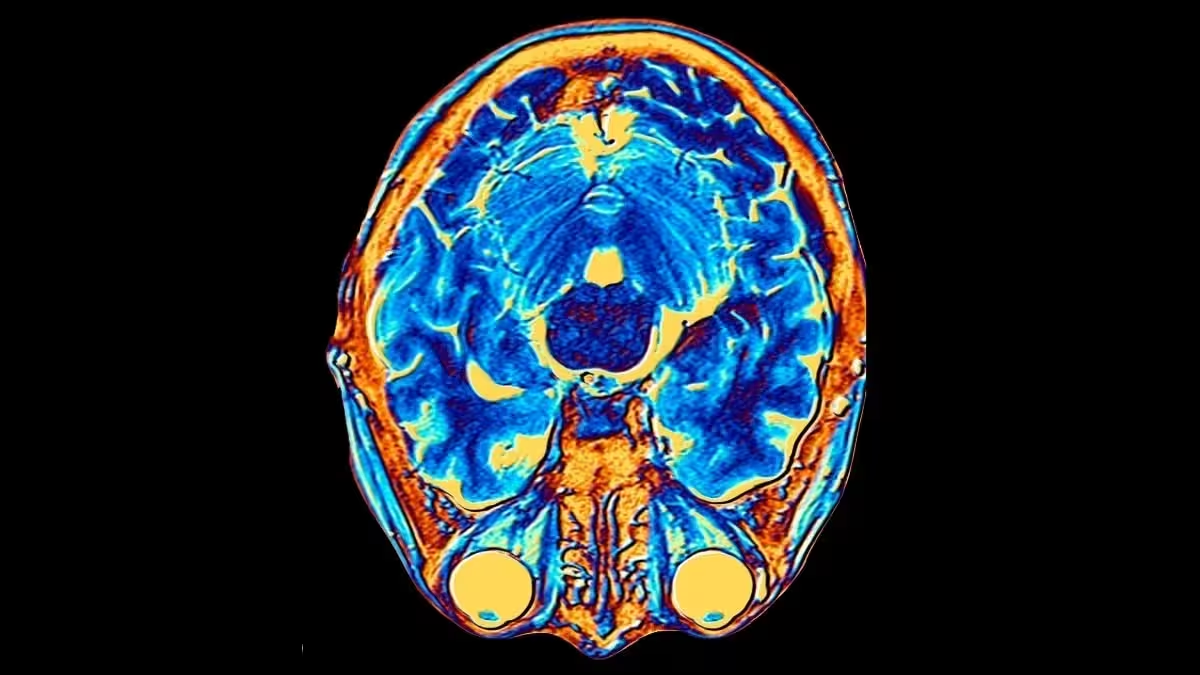
Functionally, the division makes sense. The hindbrain, seated at the base of the skull, orchestrates automatic life-support functions like heartbeat, breathing rhythm, and sleep cycles. The midbrain and forebrain are dedicated to higher cognition, including language, reasoning, and abstract thought. Despite their separate starts, the two systems have become tightly linked, coordinating everything from reflexes to conscious decision making.
The work, published in Nature Neuroscience, goes beyond evolutionary storytelling. By decoding how hindbrain cells are uniquely specified, the Stanford team developed a method to produce robust hindbrain motor neurons from human stem cells in the lab. This is the first time researchers have efficiently generated these lower motor neurons in vitro, a step with clear clinical value.
Lower motor neurons are primary targets in disorders such as amyotrophic lateral sclerosis and spinal muscular atrophy. Having a reliable source of these cells opens the door to more faithful disease models, better drug screening, and eventually cell-based therapeutic research. If the forebrain and hindbrain truly follow distinct developmental scripts, tailored culture approaches will be essential for translational progress.
"What looked like a technical nuisance turned into a window on our evolutionary past," said the study's lead investigator. "Recognizing the dual origins allowed us to rewrite stem-cell recipes and finally grow the neurons we needed."
Next steps include mapping the exact molecular switches that lock a cell into a forebrain or hindbrain fate and testing whether patient-derived stem cells reproduce disease features more accurately when differentiated along the hindbrain pathway. The discovery reshapes how neuroscientists think about brain development and provides new tools for tackling neurodegenerative disease.
Implications
The headline is both simple and profound: the human brain is not a single-component organ in developmental terms. Its two ancient systems left a genetic imprint that matters for evolution, basic biology, and medicine. Researchers now have a clearer map for cultivating the elusive neurons of the hindbrain, and that clarity could accelerate treatments for disorders that target those cells.


“The cosmos has always fascinated me. I write about space missions, astronomy, and the technologies pushing humanity beyond Earth.”

Discussion
Leave a Comment
Comments (1)
Wow, didn't expect such an ancient split in the brain. Mind blown... if this speeds up ALS work, big deal. protocols need rethinking