
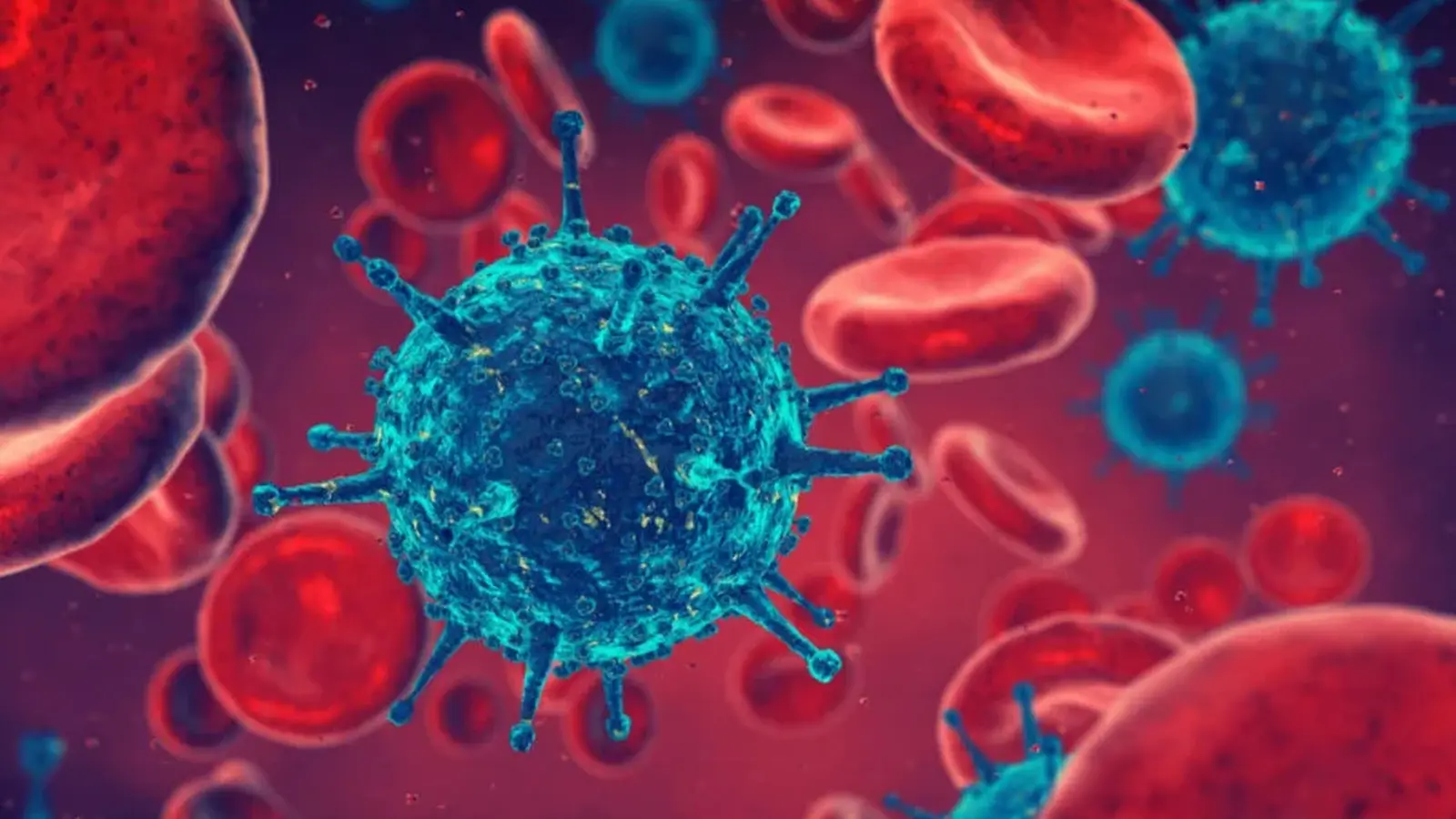
Imagine a simple infection, one you might shrug off or treat with a short course of antibiotics, quietly setting the stage for cancer years later. That is the unsettling picture painted by a new analysis: roughly one in every eight cancers diagnosed worldwide can be linked to chronic infections.
Mapping the hidden drivers
Researchers publishing in The Lancet Oncology combined global cancer estimates from GLOBOCAN with data on pathogen prevalence to quantify how infections contribute to cancer in 2024. Their calculation: about 2.3 million new cancer cases that year were attributable to infectious agents — roughly 12 percent of the 20 million new cancers estimated worldwide.
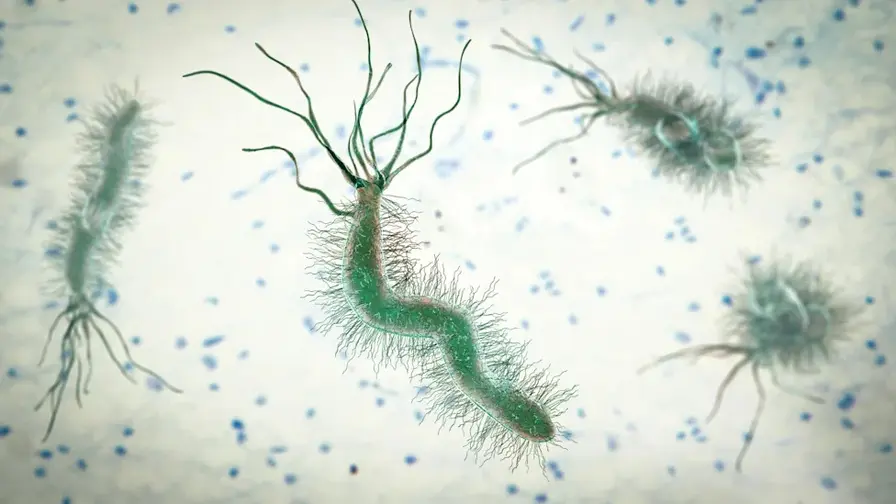
The study focused on a set of twelve pathogens known or strongly suspected to promote cancer. But the burden is far from evenly distributed. Four culprits account for about 92 percent of infection-related cancers. At the top of the list is Helicobacter pylori, a stomach bacterium linked mainly to gastric cancer, responsible for an estimated 760,000 cases. Human papillomavirus, or HPV, follows closely with roughly 750,000 cancers, including cervical, anal, penile, and some head and neck tumours. Hepatitis B virus is tied to about 360,000 liver cancers, and Epstein–Barr virus about 260,000 cases, associated with certain lymphomas, nasopharyngeal cancers, and gastric tumours.
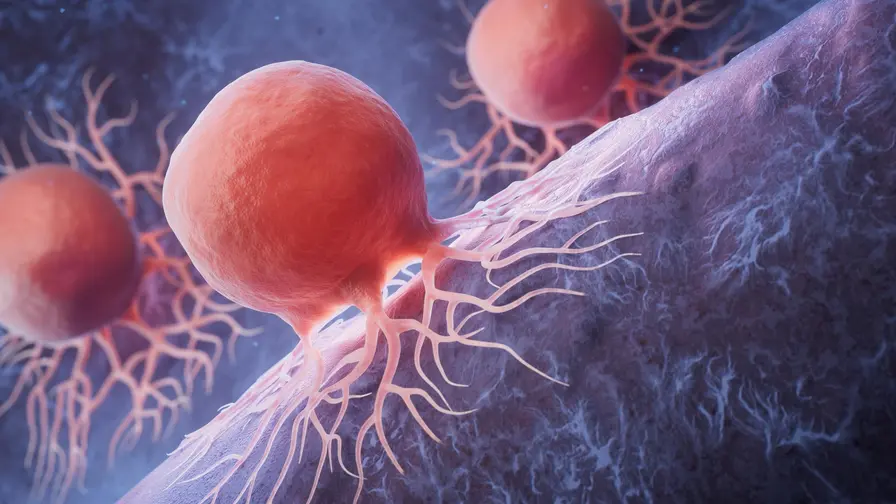
These numbers make a blunt point: many cancers are not inevitable consequences of aging or genetics alone. They can begin with infections that either alter DNA, promote chronic inflammation, or disrupt cellular controls over growth.

How infections start cancer
Different pathogens act by different mechanisms. Oncogenic viruses such as HPV and hepatitis B integrate viral genes that interfere with cell-cycle regulators. Persistent bacteria like H. pylori create long-term inflammation that damages tissue and promotes mutations. Epstein–Barr virus can transform immune cells, nudging them toward malignant behavior. The common theme is time: decades can pass between initial infection and diagnosis, which complicates direct attribution but also opens a window for prevention.
Prevention matters. A lot. The study’s authors and independent experts say that tackling infections through vaccination, screening, early treatment, and improved sanitation could prevent a substantial share of the global cancer burden.
Dr. Prashant Matur, director of the National Centre for Informatics and Disease Research in India — not part of the study team — stresses the point: when infection risks combine with smoking, alcohol use, poor diet, inactivity, and pollution, the mix becomes powerful. He estimates that 50 to 60 percent of cancers in India could be prevented by addressing these factors, with infection control as a central pillar.
Vaccination: a proven, underused tool
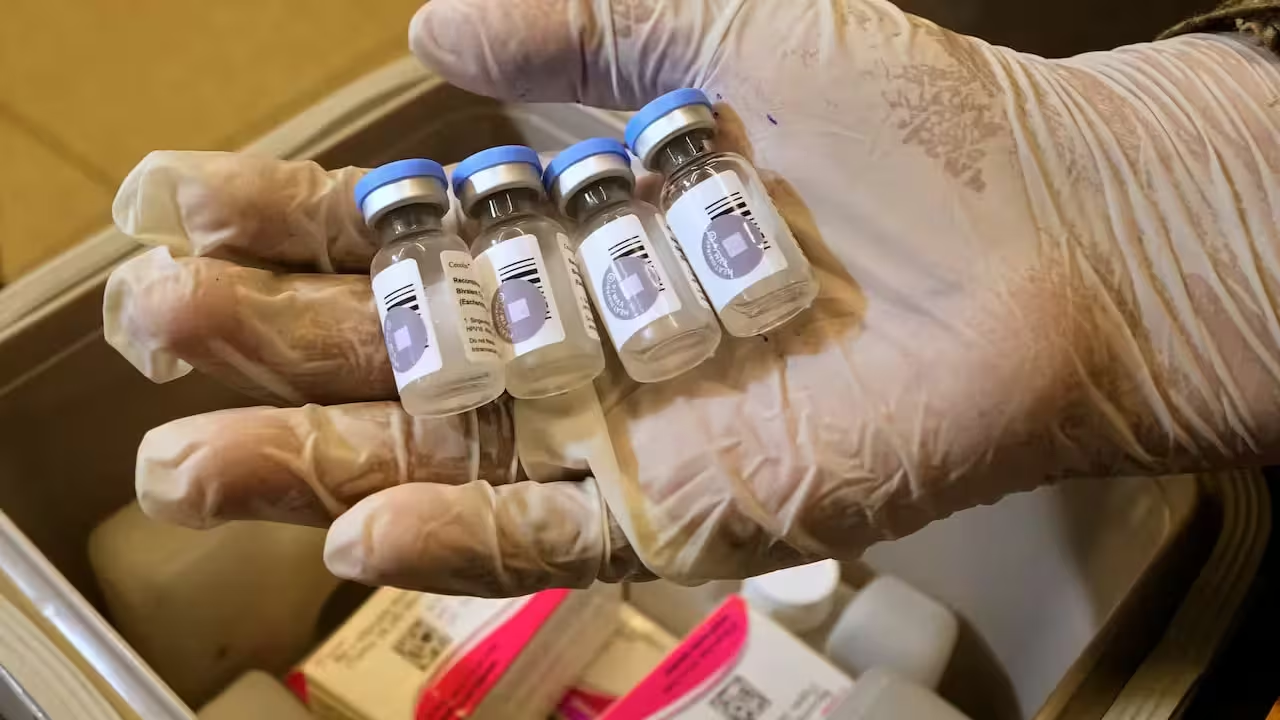
Vaccines already demonstrate dramatic impact. Countries that achieved high coverage for HPV vaccination are approaching the elimination of cervical cancer. Studies from Australia, the United Kingdom, and Finland report near-zero cases or deaths from HPV-related cancers among cohorts vaccinated before age 13. Yet global uptake is far from the necessary levels. The World Health Organization reported that in 2024 only about 31 percent of eligible adolescent girls worldwide had received at least one dose of HPV vaccine, well short of the 90 percent target.
Coverage gaps follow income lines. Low- and middle-income countries shoulder 77 percent of the global burden of infection-related cancers, and they account for roughly 81 percent of HPV-linked cancers. Logistical challenges, cost, and vaccine hesitancy all play roles. Simplifying regimens could help: recent trials indicate that a single dose of current HPV vaccines may provide strong protection, a change that could reduce costs and remove barriers linked to follow-up visits.
Beyond HPV, hepatitis B vaccination and programs to detect and treat chronic hepatitis C are proven ways to cut liver cancer risk. For H. pylori, antibiotic treatment in high-risk populations can reduce gastric cancer incidence, though antibiotic stewardship and resistance must be managed carefully.
Expert Insight
“The message is straightforward: infections are not marginal players in oncology,” says Dr. Amina Hassan, a public health oncologist who studies cancer prevention in low-resource settings. “Vaccines and early treatment target the root cause. Scale those interventions, and you change the trajectory of cancer statistics globally.”
Dr. Rebecca Perkins, an obstetrician–gynecologist at Tufts University School of Medicine, adds that programmatic changes can shift the balance quickly. She notes that countries reaching vaccination coverage above 80 percent are effectively on the path to eliminating cervical cancer, and that single-dose strategies could accelerate progress where infrastructure is limited.
Policy choices matter. Investments in routine childhood immunization, wider access to hepatitis diagnosis and care, improved water and sanitation, and education about sexually transmitted infections all reduce the pool of people at risk.
There is also a research imperative. Better surveillance tying infection prevalence to cancer outcomes will refine estimates and help target interventions. New vaccines, improved treatments for persistent bacterial infections, and scalable screening technologies will all contribute.
The bottom line is pragmatic. A sizable share of global cancer cases arises from infections we can prevent or treat today. That fact reframes cancer control: it is not only about therapy and early detection, but also about public health measures that cut the problem off at the start. Act on that insight, and the numbers begin to change.

“The cosmos has always fascinated me. I write about space missions, astronomy, and the technologies pushing humanity beyond Earth.”

Discussion
Leave a Comment
Comments
No comments yet. Be the first.