
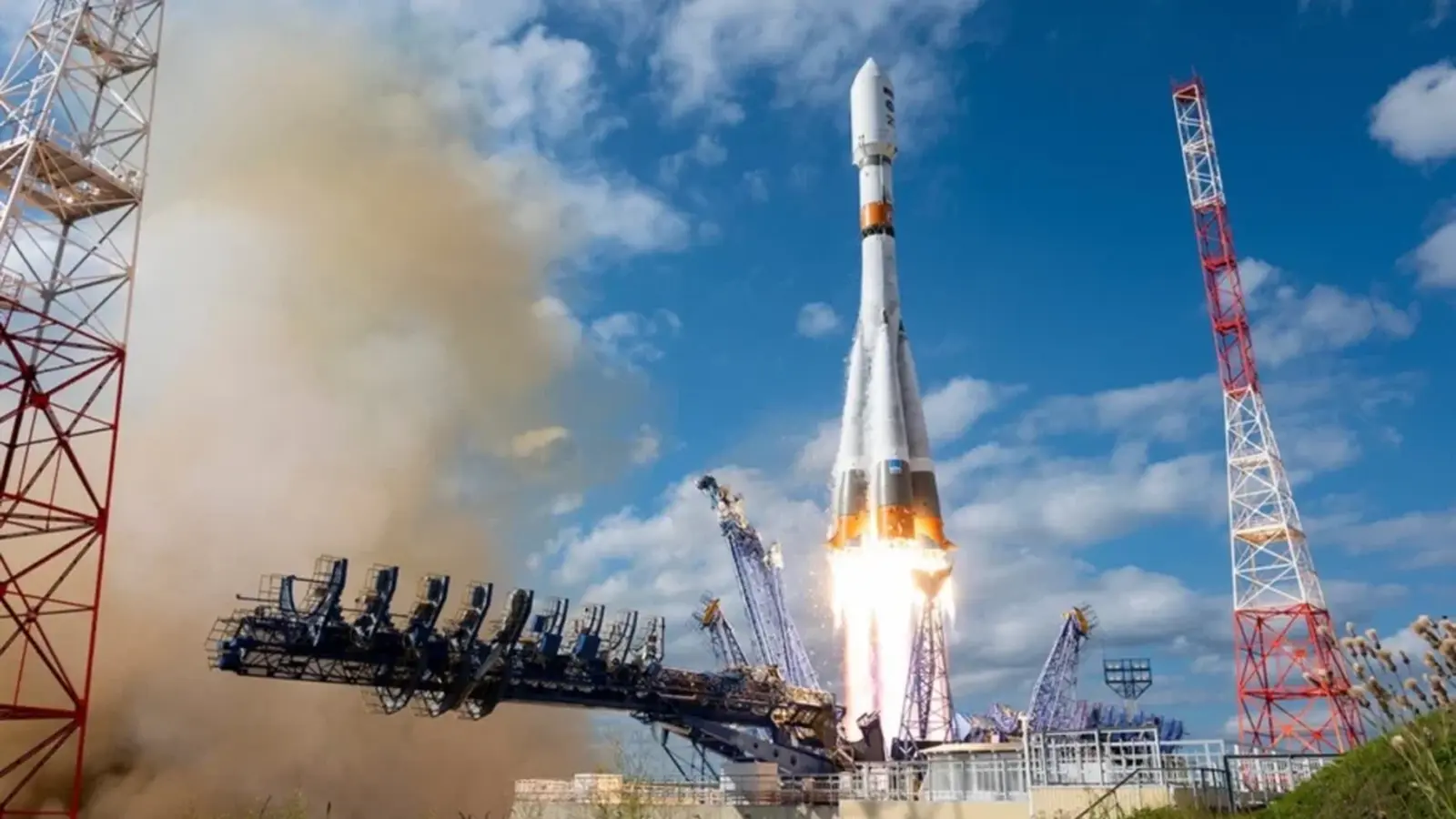
A satellite reportedly held near Moscow has thrust a new worry into global space security debates. Western intelligence, including NATO sources cited by German media, now believe Russia may attempt to place a nuclear-armed object into low Earth orbit before the end of the year. The craft, identified in reports as Sputnik-S, is said to have been built years ago and stored close to the capital.
Intelligence, treaties, and political fallout
Official German outlets say that Germany's foreign intelligence service and its armed forces possess corroborating material. If true, launching a nuclear weapon into orbit would clash with the Outer Space Treaty of 1967, which expressly bans the placement of nuclear weapons in space. The Soviet Union ratified that treaty; the Russian Federation remains a party to it today.
Diplomacy has already shown cracks. In 2024 Russia vetoed a United Nations Security Council draft resolution intended to reaffirm the ban on placing nuclear arms in orbit. It was the only council member to oppose the measure. That vote underscored how legal prohibitions can be weakened when political consensus frays.
How dangerous is a nuclear blast in orbit?
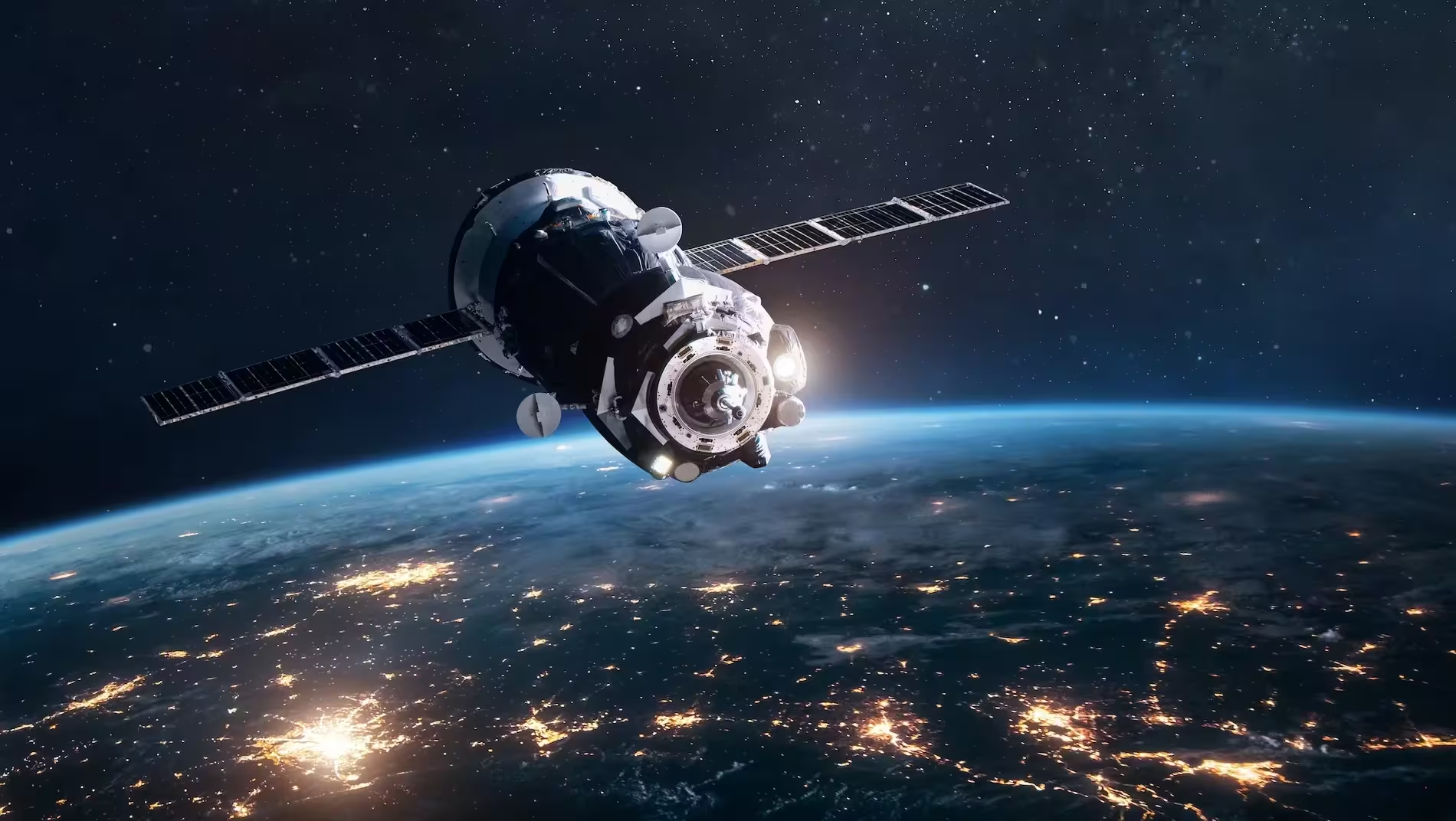
A nuclear detonation above the atmosphere behaves very differently from one at ground level. There is no shockwave in the conventional sense. Instead, a burst produces intense electromagnetic effects and a surge of high-energy particles that can create artificial radiation belts. Recent modeling suggests such an event could disable up to 99 percent of satellites within days to a week, depending on altitude and yield.
The practical consequences would be immediate and wide-ranging. Satellite-based navigation, communications, Earth observation, banking networks, air traffic management, and many data services could be disrupted. Networks that underpin modern logistics and emergency response would struggle. Rebuilding an orbital ecosystem is not like replacing a single ground station. Reconstitution of space infrastructure could take years. During that period, people and organizations would have to cope with elevated radiation risk and a much more cluttered orbital environment.
Space debris compounds the hazard. A nuclear event or kinetic anti-satellite strike generates thousands of fragments. Those fragments travel at orbital velocities and can trigger more collisions. This cascading effect, sometimes called Kessler syndrome, raises the bar for the safety and long-term usability of low Earth orbit.
Russia's anti-satellite track record and possible motives
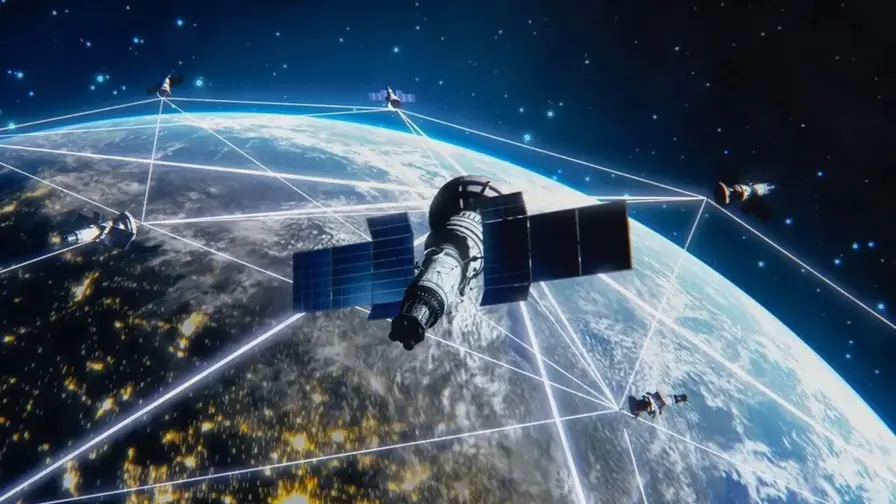
Moscow is no stranger to tests that weaponize space. In November 2021, Russian forces destroyed a defunct Soviet-era satellite in low Earth orbit, producing a large debris cloud that sparked international condemnation. In response, the United States announced a voluntary moratorium on destructive anti-satellite tests in April 2022 and urged others to follow. Later that year, 155 countries supported a UN resolution opposing such tests; Russia was among the small group that opposed it.
Why would Moscow risk such a step? One plausible motive is coercion. A nuclear-capable satellite would be a stark signal: it could be used to threaten the functionality of an adversary's space assets without immediate use of terrestrial forces. Russia often seeks asymmetric levers where conventional parity is absent. Western analysts have noted that on some measures Russia lags behind peers in commercial and military space infrastructure. Using the threat of orbital weaponization could be intended to offset those disadvantages.
Yet hard evidence will be hard to produce. Detecting a nuclear device in orbit is not straightforward. Researchers are working on techniques to identify signatures of nuclear material or unusual behavior from a suspect satellite, but no single, universally accepted verification method exists. Even solid technical data could be contested politically.
Finally, the Outer Space Treaty offers limited enforcement tools. If a violation were proven, options range from diplomatic pressure and sanctions to demands that the object be removed from orbit. None of those options is simple, and each carries risks of escalation.
Expert Insight
"An orbital nuclear detonation is not simply another weapon test," says Dr. Elena Markov, a fictional astrophysicist with two decades of satellite operations experience. "It reshapes the space environment for years. The immediate loss of services would be severe, but the long-term effect on access to space could be the strategic blow that matters most."
Her point is practical. Nations and commercial operators depend on predictable access to orbits and frequency slots. When that predictability disappears, so does a layer of global cooperation that supports science, commerce, and security.
Conclusion
The reports about Sputnik-S, if validated, would mark a dangerous escalation in the militarization of space. The technical threats are real: electromagnetic disruption, radiation belts, and a debris cascade that can persist for years. The political and legal challenges are equally thorny. Verification is difficult, and the Outer Space Treaty lacks automatic enforcement mechanisms. Preventing such an outcome will require sustained diplomacy, improved space situational awareness, and cooperative measures among spacefaring states to reduce incentives for weaponizing orbit.


“The cosmos has always fascinated me. I write about space missions, astronomy, and the technologies pushing humanity beyond Earth.”

Discussion
Leave a Comment
Comments (2)
Wait, the expert is fictional? Kinda makes me wonder what else in here needs a source...
if this is real, losing GPS and comms for years would hit everyone, not just the countries involved. scary stuff