
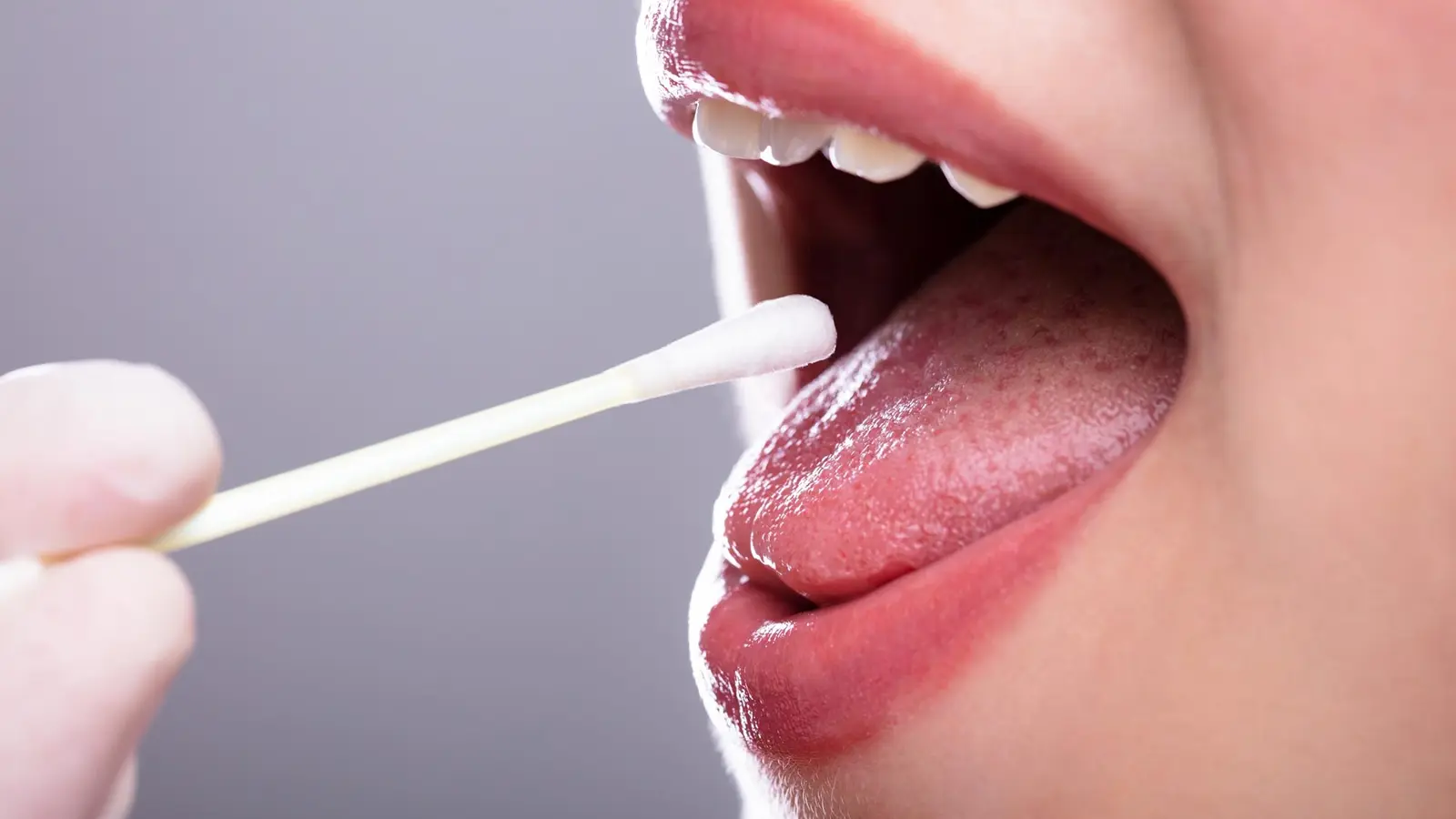
A mouth swab. That small, everyday action could one day point doctors toward a cancer that so often arrives too late for easy treatment.
Researchers working in South Africa and the United States have found striking differences in the bacterial communities living in the saliva of people with esophageal squamous cell carcinoma, or ESCC. The discovery raises the possibility of a low-cost screening tool that might help identify people who need urgent endoscopy, especially where specialist care is scarce.
How the team put saliva under the microscope
The study combined bacterial DNA sequencing with machine learning to search for patterns that separate patients with ESCC from unaffected people. Scientists from the Sydney Brenner Institute for Molecular Bioscience at Wits University and collaborators at Columbia University compared saliva samples from cancer patients and controls, then trained an algorithm to recognize microbial signatures associated with disease.
Clinical and demographic factors such as smoking, heavy alcohol use, rural residence, lower education and household fuel type were already known to correlate with ESCC in the Johannesburg Cancer Study. But those variables did not fully explain why some regions in eastern and southern Africa, and pockets of Asia, carry much higher rates of this cancer. Nor did they account for the disease appearing in surprisingly young patients.
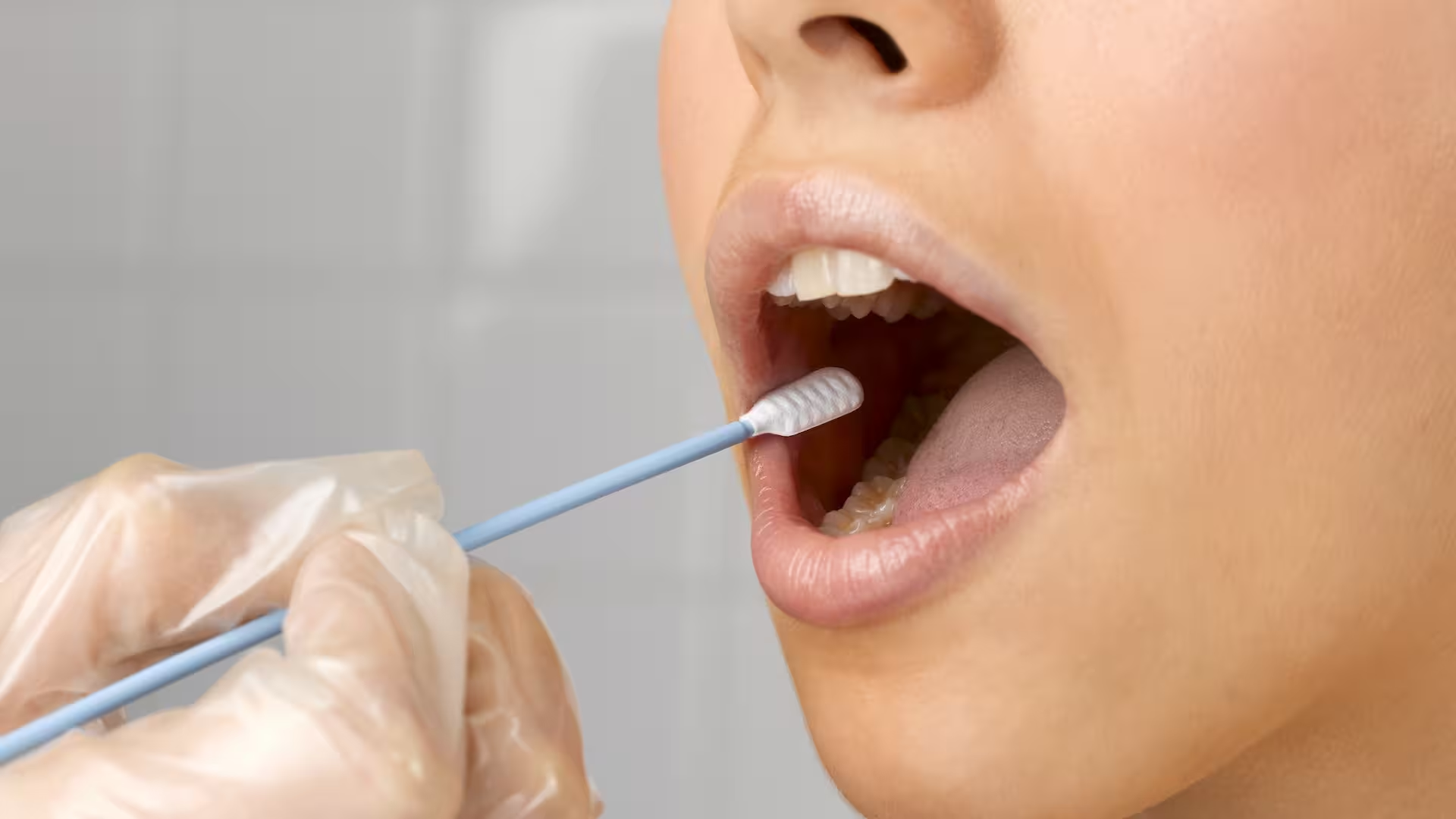
Sequencing revealed reproducible shifts in the oral microbiome. Several bacterial species were more abundant in saliva from ESCC patients. One of the most notable was Fusobacterium nucleatum, a species that has appeared in research on colorectal and other cancers. The microbiome-based model distinguished cancer cases from controls more accurately than a model using only clinical and demographic information.
What the microbial signals might mean
Finding different bacteria in the mouths of cancer patients does not prove those microbes cause the disease. Causation is a high bar. Tumors that slowly narrow the esophagus can change swallowing and local tissue environments, which in turn could reshape the oral microbiome. In other words, the bacterial patterns might be a consequence rather than a trigger.
But consequence can be useful. Swallowing problems often develop long before patients reach specialist clinics. If saliva changes predict an evolving obstruction or other early signs, a noninvasive swab could act as an alert, helping clinicians prioritize who needs endoscopy most urgently.
Potential clinical uses are pragmatic and limited at first. A saliva or cheek-swab test would not replace endoscopy, the diagnostic gold standard. Instead, it could serve as a triage tool in settings where endoscopes and trained gastroenterologists are scarce or overstretched.
Notable bacterial shifts
- Enrichment of Fusobacterium nucleatum and other taxa previously linked to cancer biology.
- Distinct community patterns that a machine-learning model could pick up more reliably than demographic data alone.
A simple saliva swab could help clinicians decide who needs urgent further testing.
Expert Insight
Dr. Amina Patel, a clinical microbiome researcher not involved in the study, offers a cautious perspective: "This is an important step toward practical screening in regions that lack specialist services. The pattern is promising, but microbial signatures vary with diet, environment and local habits. Rigorous validation across populations will determine whether this becomes a tool or a curiosity."
Why validation matters and what comes next
Internal validation is useful, but not definitive. Oral microbiomes shift with geography, diet, water supplies and social practices. A model trained on patients from one region might perform poorly elsewhere. The authors plan to test saliva-based signatures in independent cohorts, including people with benign esophageal conditions that can also impede swallowing. Those comparisons are crucial: if the microbial pattern merely marks obstruction, the test will flag many noncancer conditions. If the pattern is cancer-specific, the implications for early detection will be far stronger.
Researchers are also chasing other threads that could explain ESCC’s puzzling geographic clustering. Some teams are looking for inherited genetic susceptibilities. Others are searching tumors for mutational signatures, the molecular fingerprints left by particular chemicals or exposures. If certain pollutants, cooking fuels, or contaminants leave consistent DNA damage patterns, those clues could point to preventable causes.
Professor Michèle Ramsay of the SBIMB described this line of work as foundational, saying the research builds knowledge needed to move toward clinical applications. Professor Christopher Mathew emphasized the unusual age distribution of ESCC patients, with many diagnosed at 50 or younger and a meaningful minority under 40, which demands better early-detection strategies.
Challenges before a saliva test becomes routine
Several hurdles stand between a promising lab result and a field-ready test. First, the model must be replicated in diverse populations. Second, researchers must demonstrate whether bacterial changes appear early enough in disease development to provide a true screening advantage. Third, the test must be affordable, robust to everyday sample-collection variability, and easy to deploy in primary-care settings.
Finally, ethical and logistical questions will follow. Who gets screened? How are positive results handled where diagnostic follow-up is limited? What are the risks of over-referral and unnecessary procedures? Answers will shape any rollout.
Final takeaway
The mouth may be a useful window into a hidden cancer. The South African and U.S. team have opened that window with genomic tools and computational pattern-finding. The immediate promise is pragmatic: a low-cost saliva test that helps clinicians decide who needs urgent endoscopy. The longer-term prize is deeper understanding of why ESCC concentrates in certain places and strikes people at surprising ages. Both goals will require careful validation, wider population studies and close attention to practical deployment.

“The cosmos has always fascinated me. I write about space missions, astronomy, and the technologies pushing humanity beyond Earth.”

Discussion
Leave a Comment
Comments
No comments yet. Be the first.