
Imagine a rattlesnake that can bite itself and walk away. Not because it is immune to pain, but because evolution supplied a molecular safety net inside its blood. That surprising defense could now provide a template for a new generation of antivenoms that are more potent, broader in scope, and easier to produce.
Nature solved a problem we still struggle with
Snakebite remains one of the most neglected global health problems. Tens of thousands of people die each year, and many more suffer permanent injury. Antivenoms exist, but they are expensive to make, inconsistent in quality, and sometimes provoke dangerous immune reactions. The standard manufacturing method uses large mammals, such as horses or sheep, injected with venom to raise antibodies. Those antibodies work, but they are blunt instruments against a diverse and shifting set of toxin molecules.
What if the better antidote already existed inside the snakes themselves? That was the question that drove a team led by biology professor Sean B. Carroll at the University of Maryland. Their answer: proteins circulating in rattlesnake blood can block venom enzymes. These proteins, named FETUA family inhibitors, evolved precisely to protect the snake from accidental self-envenomation. Researchers harvested and recombined several of these natural inhibitors, and the results are striking.

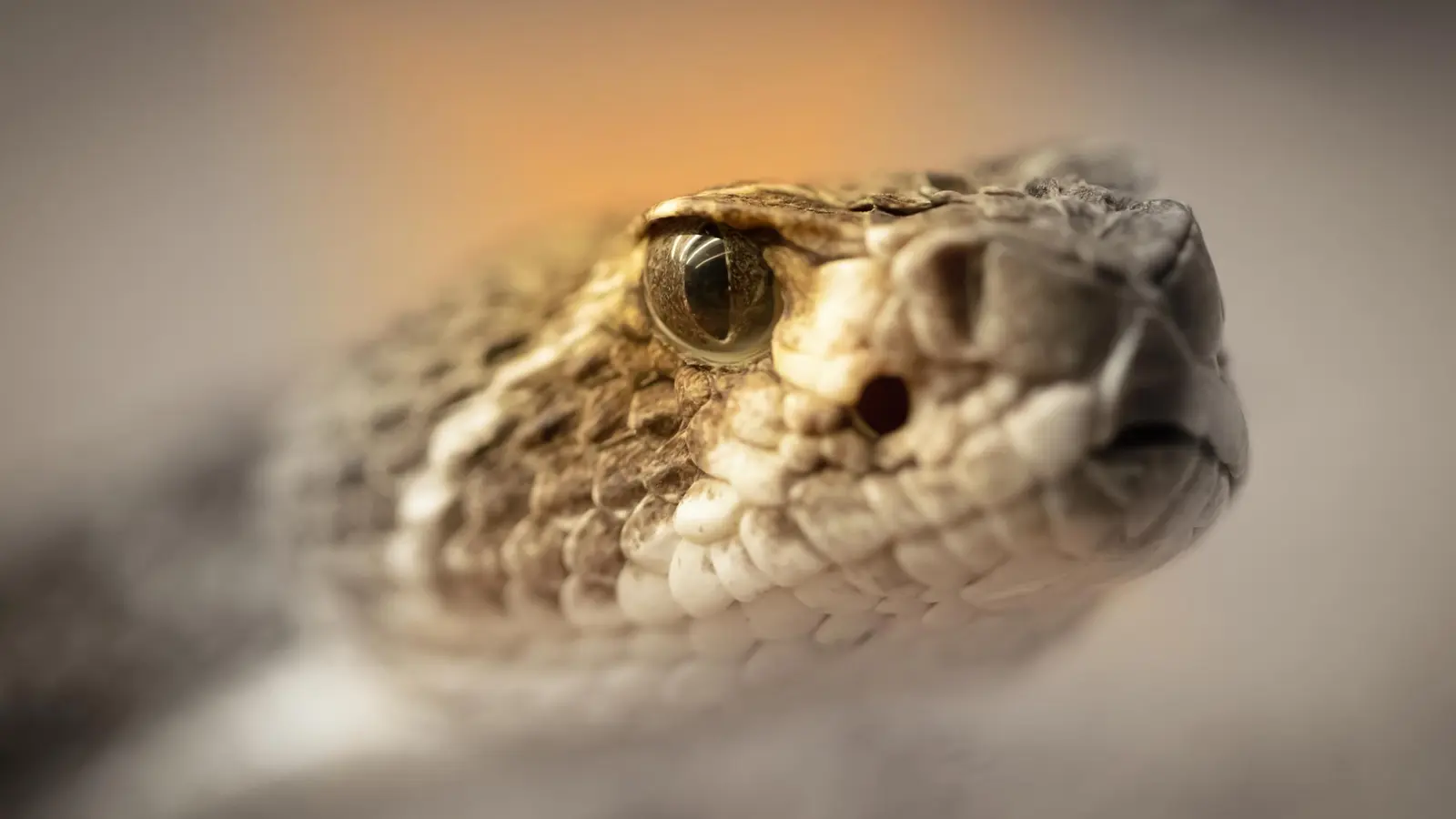
A western diamondback rattlesnake.
Mixing molecular defenses: a different approach to antivenom
Evolution did not hand over a single universal antidote. Instead it created a toolbox: different FETUA proteins target different toxin families. One inhibitor might reduce bleeding by neutralizing metalloproteinases, while another prevents specific enzyme activities that shred tissues. Alone, each protein provides a partial shield. Together, they become far more effective.
In laboratory tests the University of Maryland team combined several of these snake-derived proteins and found the mixtures outperformed a commercial sheep-derived antivenom by about tenfold in neutralizing lethality from western diamondback venom. Equally notable, some combinations showed broad cross-protection against venoms from multiple viper species, even those separated by millions of years of evolution. The implication is clear: nature’s solutions can be repurposed into recombinantly produced medicines.
Why combinations matter
- Venoms are complex. A single venom can contain dozens to over a hundred distinct toxins from several biochemical families.
- Targeting one toxin family rarely neutralizes the full clinical impact of a bite. A cocktail of inhibitors can cover multiple pathways of damage simultaneously.
- Conserved protein regions across diverse snake species mean one inhibitor can sometimes block toxins from different animals; that raises the prospect of broader-spectrum antivenoms.

The work focused initially on metalloproteinases, a common class of venom enzymes responsible for hemorrhage and tissue destruction. The FETUA proteins bind and inhibit these enzymes. The team is now extending the strategy to other major toxin families. Each success increases confidence that recombinant, nature-based antivenoms could replace or supplement traditional antibody products.
Expert Insight
"This research flips the script," said Dr. Maya Thompson, a clinical toxinologist unaffiliated with the study. "Instead of borrowing immune responses from large animals, we are borrowing solutions that snakes have already refined over tens of millions of years. Recombinant protein cocktails are easier to standardize, and they may reduce adverse reactions in patients."
Thompson noted practical advantages as well: recombinant production can scale rapidly, and manufacturing quality can be better controlled than with plasma-derived products. "For rural clinics in low-resource settings, that could be transformative," she added.
Implications for public health and veterinary medicine
The path from lab bench to clinic still has hurdles. Identifying the optimal mixture for any given geographic region will require mapping regional venom compositions and validating safety profiles in animals and humans. Regulatory pathways for recombinant biologics are well established, but focused trials will be necessary to prove that snake-derived inhibitors are both effective and safe for human use.
Commercial rollout may begin in veterinary medicine, where regulatory and economic barriers are often lower. Pets, working animals, and livestock could receive the first recombinant antivenom products. From there, human treatments could follow, particularly for areas where current antivenoms are scarce or unreliable.
There are additional practical benefits. Recombinant proteins can be manufactured at scale in microbial or mammalian cell systems, which reduces dependency on large animal herds and the variability inherent in immune responses. Costs per dose could drop, and storage and distribution may become simpler, improving access in remote regions.
Conclusion
What began as a curiosity about how rattlesnakes avoid poisoning themselves has yielded a promising blueprint for antivenom innovation. By translating evolutionary solutions into lab-produced therapeutics, researchers may soon offer safer, broader, and more affordable treatments for snakebite victims worldwide. The work is not finished, but the direction is clear: look to nature, then make what it has already perfected more accessible to people who need it most.


“My work centers on sustainability, energy, and environmental science — examining how innovation can lead to a greener future.”

Discussion
Leave a Comment
Comments (2)
is this even safe tho? using snake proteins on people sounds risky, immune reactions are tricky. but if it cuts cost and works, im curious — will they really scale it for rural areas?
wow, nature doing our R&D again. snakes evolved real antidotes? mind blown. If those FETUA mixes can beat horse antivenom 10x, remote clinics might actually get help, hopeful but wary, need trials