
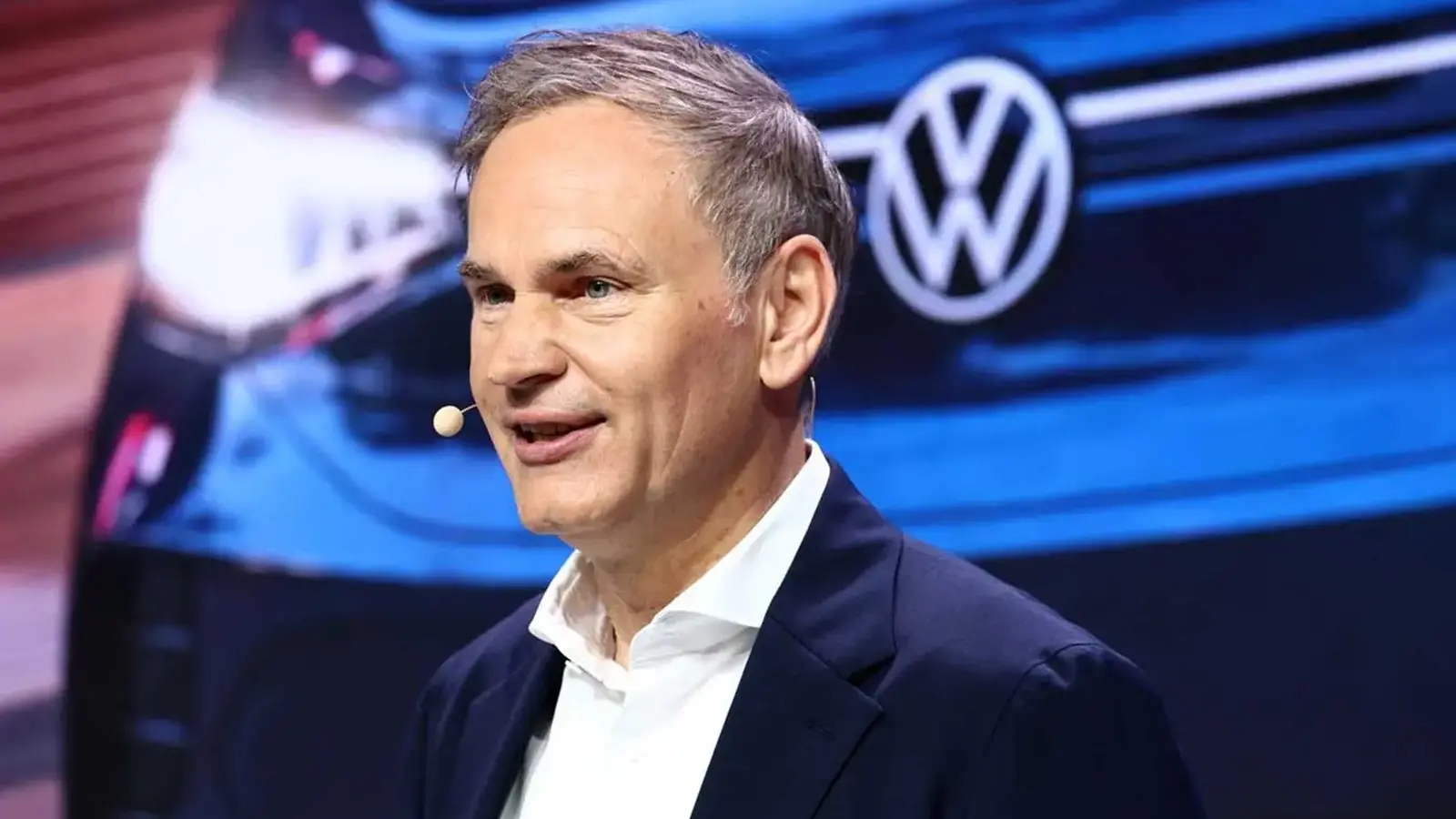
Volkswagen Group's operating margin plunged to just 2.8 percent in 2025 and the company's share price fell to its lowest level in 16 years, leaving CEO Oliver Blume responding with an aggressive round of cost cuts and workforce reductions.
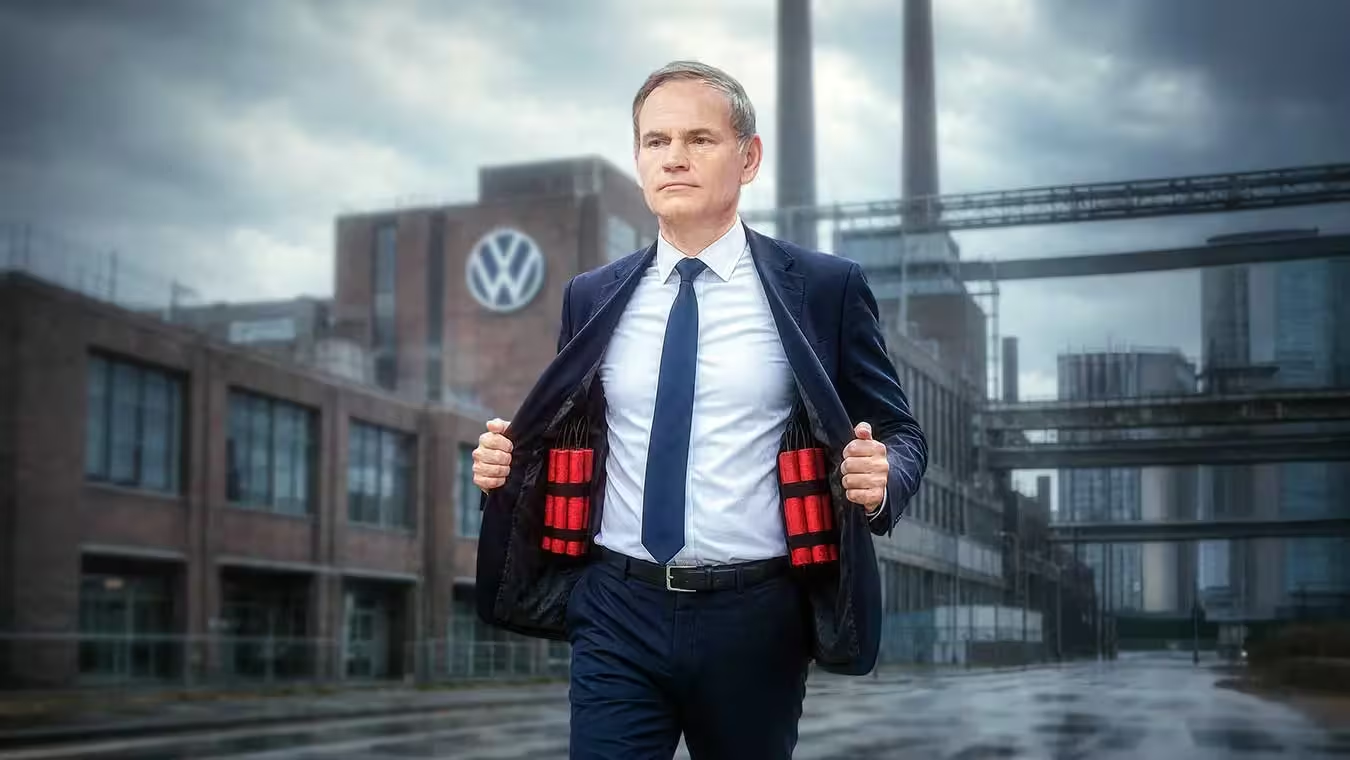
Blume has framed the situation as a short-term financial emergency and is driving plans to halve the group's model range, reduce annual costs by 6 billion euros, close up to four plants in Germany and trim the workforce by as many as 100,000 roles.
Engineering pedigree versus financial triage
The problems now confronting Volkswagen did not emerge overnight. The group still bears the legacy of large past decisions, including a diesel emissions scandal that has cost the company more than $33 billion and the rapid erosion of its China business, once responsible for about 40 percent of group profits and now under intense pressure from local players such as BYD, SAIC and Geely.
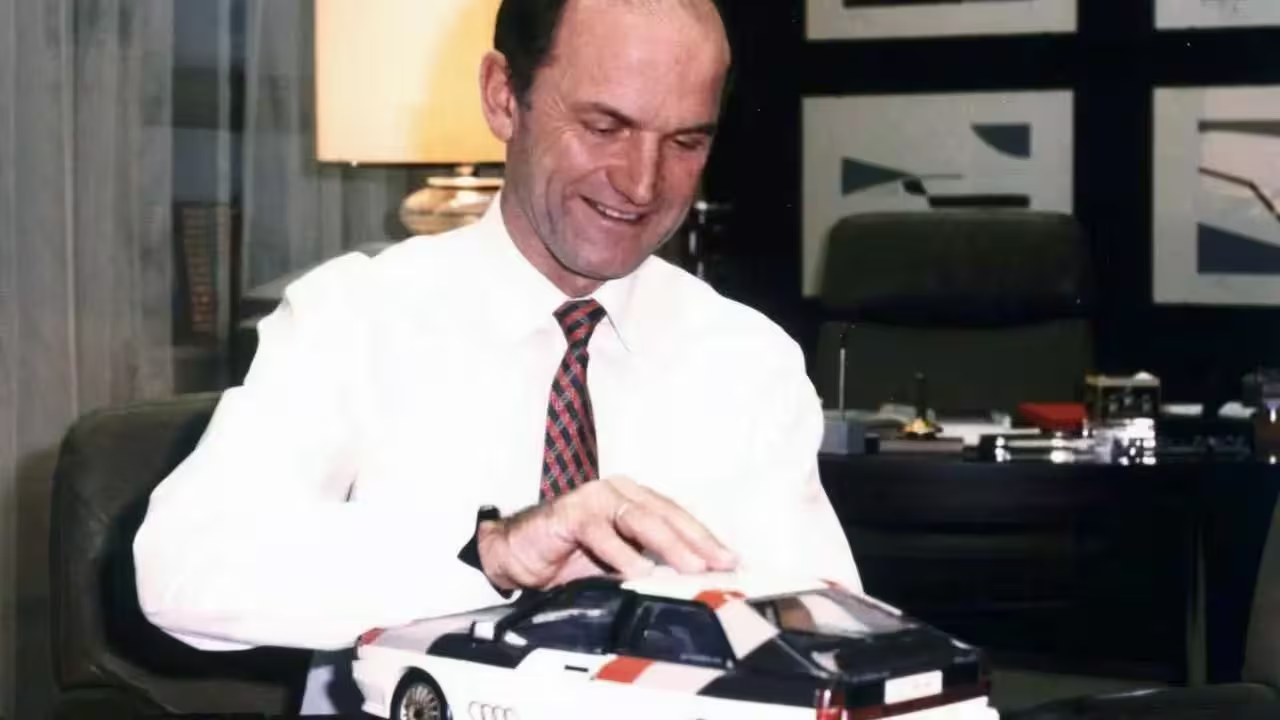
Those structural wounds have collided with a talent gap. Ferdinand Piëch stands out in Volkswagen history as the engineer-chairman who pressed teams for technical solutions rather than accounting fixes. Piëch pushed projects that became defining feats for the group, from the W8 engine in the Passat to the 1,000-horsepower Bugatti Veyron, and he transformed Volkswagen’s manufacturing and quality practices after taking the helm in 1993. He identified engineering faults and returned the company to profitability within four years.
Oliver Blume’s rise came through quality and production roles across Audi, SEAT and Volkswagen and then to Porsche, where he became CEO in 2015. The early years under Blume at Porsche saw the Taycan reach production, the Cayenne remain highly profitable and the 911 keep its status. Yet much of that engineering groundwork, including the Taycan’s 800-volt architecture and the two-speed rear-axle gearbox, traces to the Mission-E program begun before Blume’s tenure as CEO.
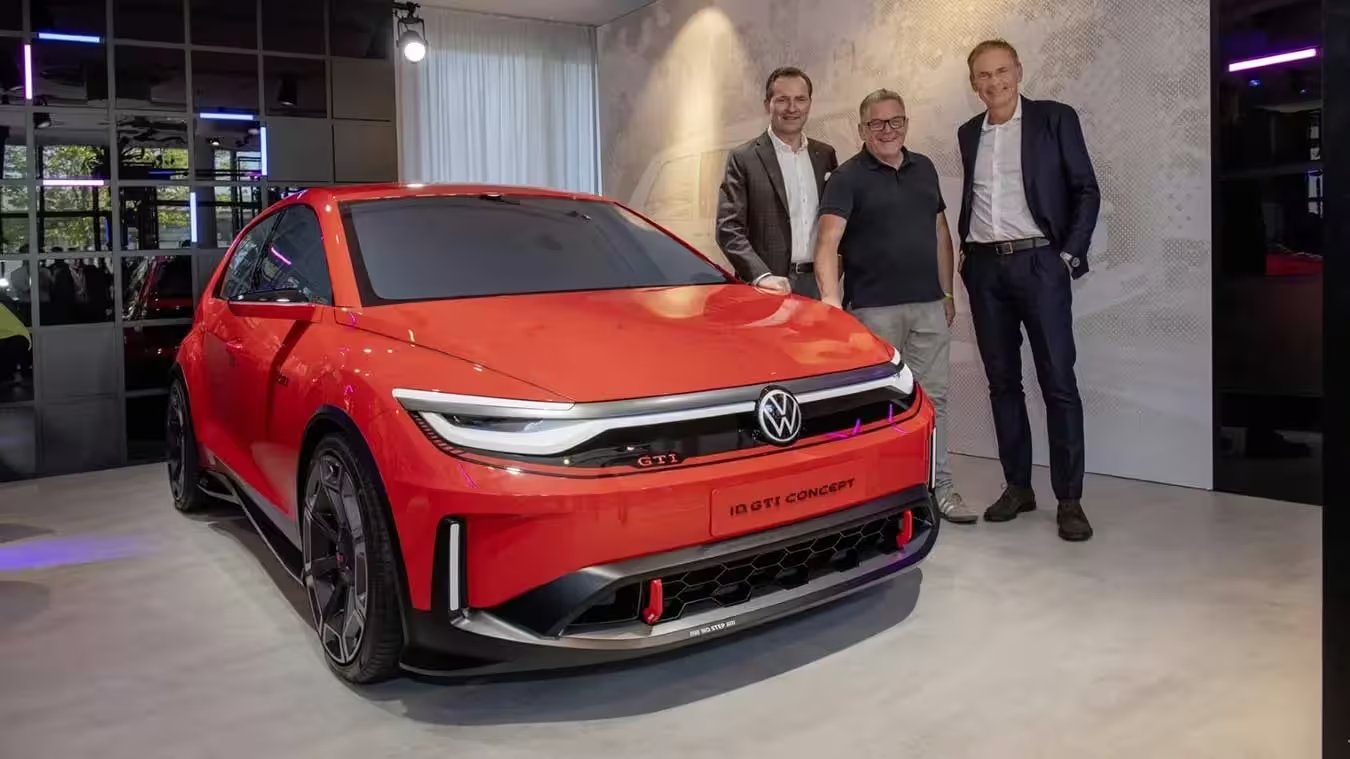
Emboldened by initial Porsche success, Blume set an ambitious electrification target, pledging that more than 80 percent of Porsche production would be fully electric by 2030. Market realities soon proved difficult. Taycan sales fell 45 percent in 2025 and the new electric Macan failed to match the sales volumes of the internal-combustion Macan it replaced. Profitability collapsed and Blume left day-to-day management of Porsche in 2026 while assuming oversight of the entire Volkswagen Group; the original Porsche electrification commitment has since been abandoned.
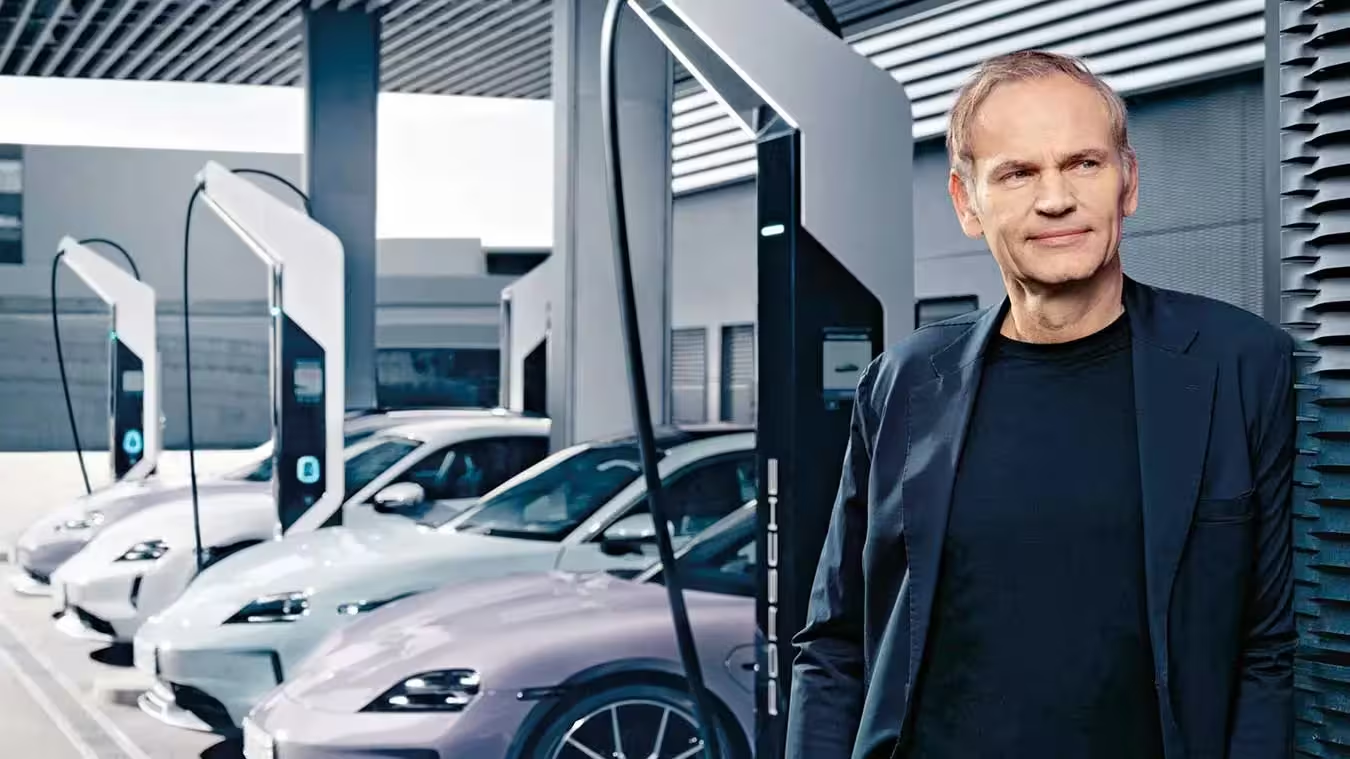
Today Blume confronts an organization that, critics say, needs more engineering-led fixes and product clarity as much as it needs cost reduction. The company’s operating margin decline, the loss of market share in China and the carryover burdens from Dieselgate present a complex mix of legacy liabilities and strategic missteps.
The restructuring plan under Blume includes cutting the model range by 50 percent, reducing costs by 6 billion euros a year, potentially closing up to four German factories and trimming the workforce by up to 100,000 employees.

“I cover automotive innovation, electric vehicles, and the future of mobility — where technology meets sustainability.”

Discussion
Leave a Comment
Comments
No comments yet. Be the first.