
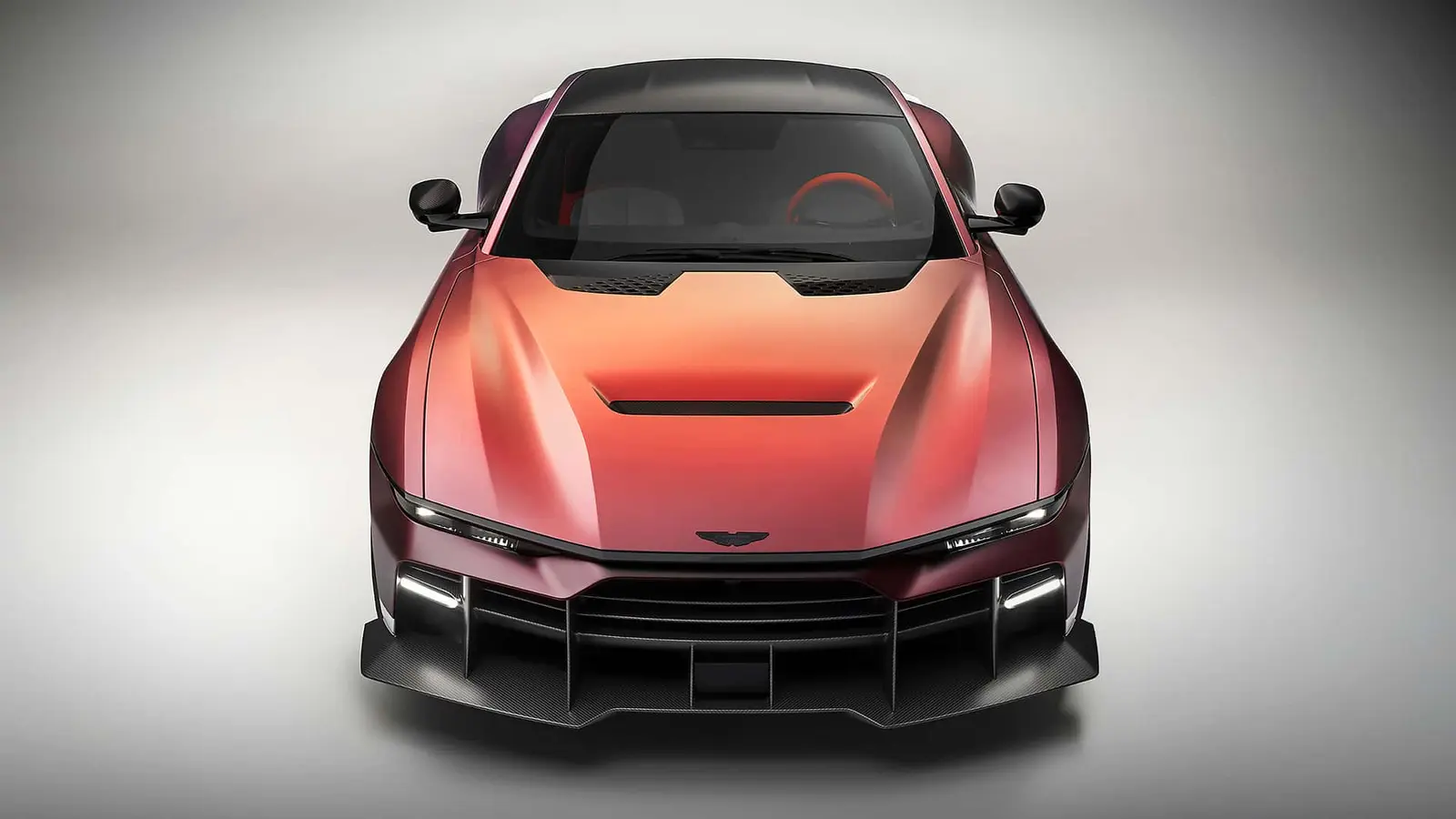
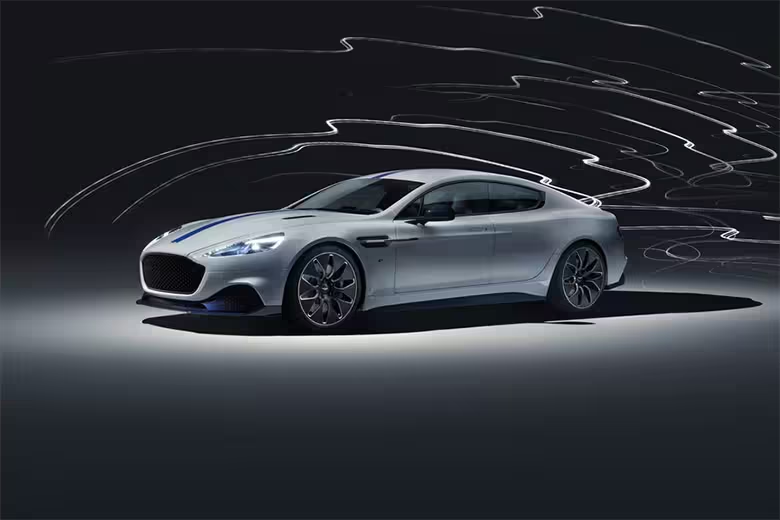
Aston Martin has pushed the debut of its first production battery-electric vehicle into a 2033 to 2035 window and will keep V8 and V12 internal combustion engines in production through the middle of the decade.
The British marque formally revisited earlier targets that had suggested an electric model as soon as 2027 or by 2030. Company executives cited shifting customer preferences and differing environmental rules across key markets as primary reasons for the revision.
Adrian Hallmark, Aston Martin's chief executive, said: "I am not announcing a firm date. It may be 2035 or 2033; it is in that three-year window and it will certainly not be 2031." He added that the decision is a postponement rather than a rejection of electrification.
Powertrain strategy and timeline
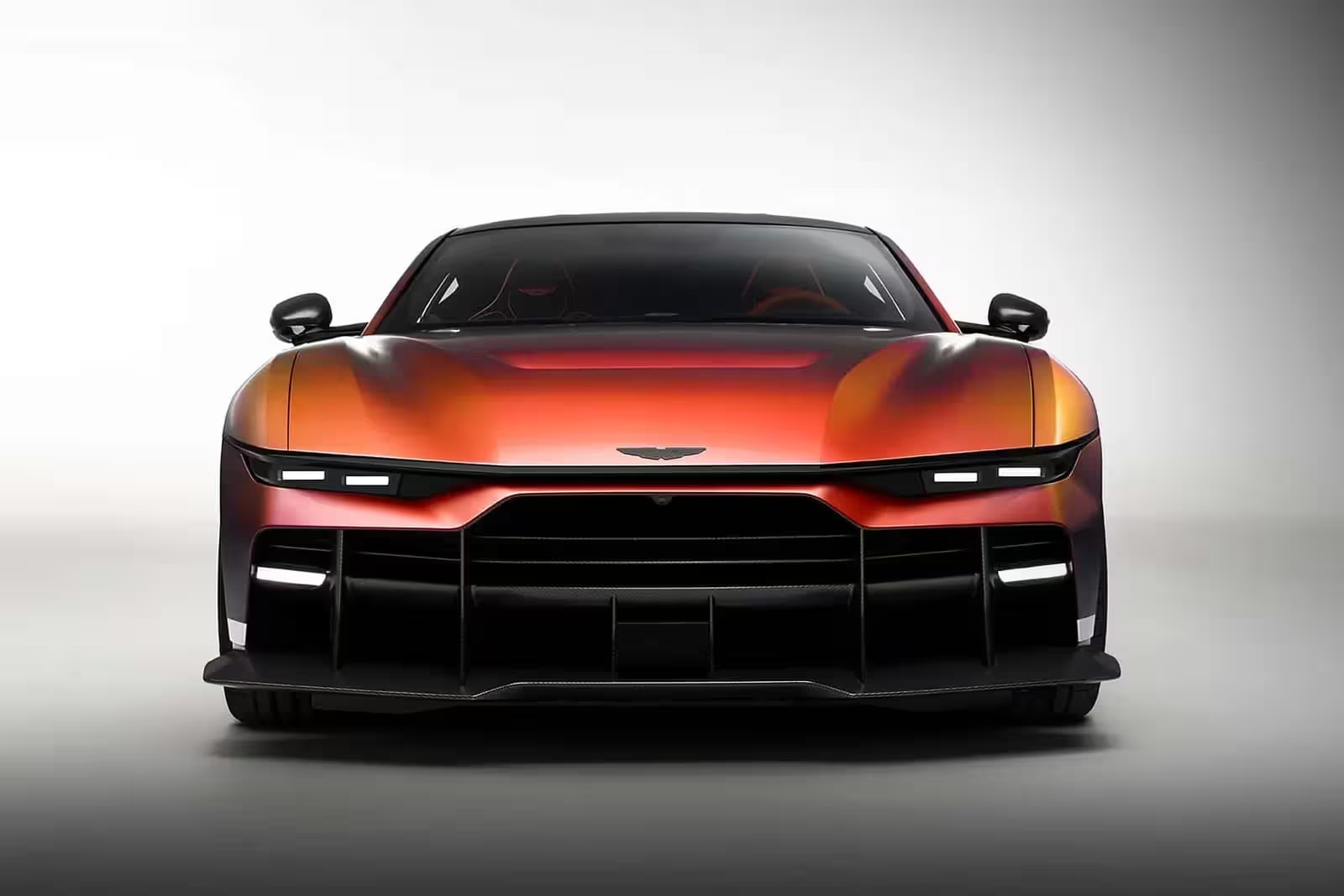
Under the updated plan, V8 and V12 powertrains will remain in Aston Martin's production line-up into the mid-2030s. The company intends to use conventional and mild-hybrid systems rather than widespread adoption of heavy plug-in hybrid batteries, preserving the role of internal-combustion models as it phases in battery-electric technology.
High-end petrol models such as the DBX GT, powered by a twin-turbo V8 and priced at around $260,000, are expected to play a significant role in maintaining the brand's combustion-engine presence during the transition.
Regulatory and partnership context
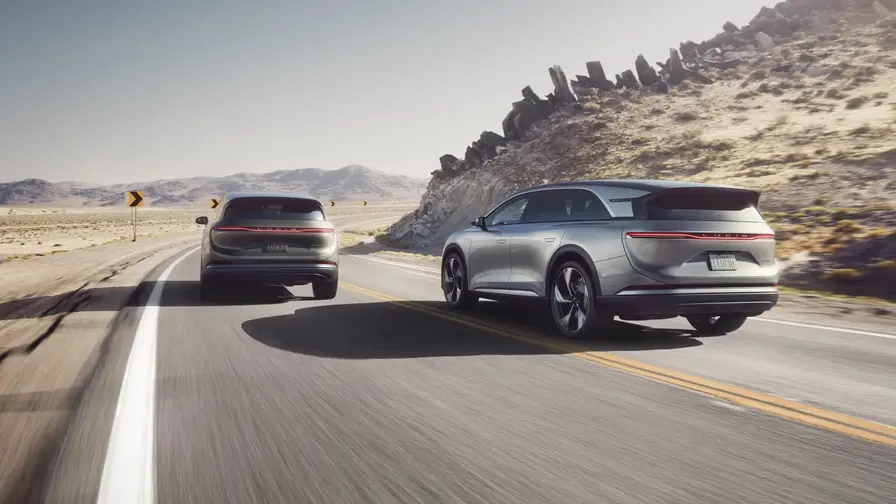
Aston Martin said its technical cooperation with Lucid will continue to provide electric-vehicle infrastructure and know-how. Managers argue the later launch date will allow the company to access more advanced technologies by the time a production BEV is commercialised.
Executives also identified the European Union and United Kingdom rules aimed at cutting greenhouse-gas emissions by 2035 as an important regulatory milestone that frames the company’s transition timetable.
Reflecting on the company’s current state, Hallmark said: "Aston now feels like a normal company."

“Cars are evolving faster than ever. I cover electric vehicles, smart mobility, and the future of transportation worldwide.”

Discussion
Leave a Comment
Comments
No comments yet. Be the first.