
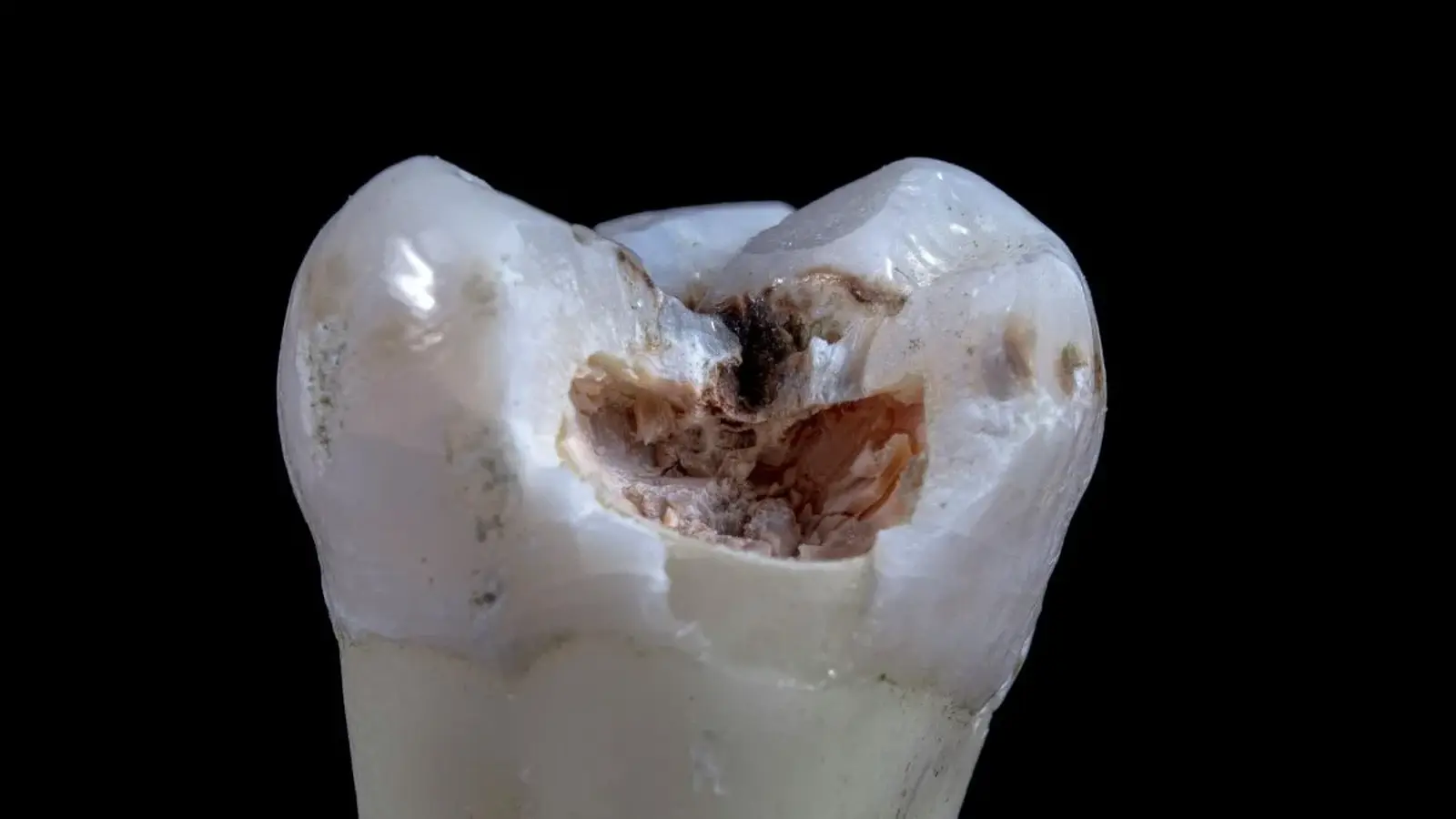
A tiny brush. Ten seconds. A painted liquid that can stop a spreading cavity in its tracks. For many parents the idea of avoiding a drill and anesthetic for a toddler’s mouth feels almost too good to be true. Yet that is precisely what silver diamine fluoride, or SDF, promises: a rapid, noninvasive way to arrest dental decay in baby teeth.
What the new clinical trial showed
Researchers across three U.S. sites tested SDF in a randomized clinical trial involving 830 children under the age of six with severe early childhood cavities. The results, published in JAMA Pediatrics in 2026, were clear: a single application of SDF arrested decay in 54 percent of treated baby teeth at six months, compared with 22.5 percent in the placebo group. Side effects were largely mild or moderate; there were no significant differences in tooth pain between groups.
SDF is not new to dentistry. Clinicians have used it for decades in other countries and for treating adult tooth sensitivity in the United States on an off-label basis. The difference now is rigorous U.S.-based evidence showing the treatment’s effectiveness specifically for young children, and a dataset large enough to sway practice guidelines or regulators.
How SDF works and what it means for treatment
Silver diamine fluoride is a topical liquid that combines antimicrobial silver with fluoride’s remineralizing effect. Applied directly to a cavity, it kills decay-causing bacteria and helps harden the remaining tooth surface. The application itself takes only a few seconds. No drilling. No needle. No general anesthesia.

SDF significantly outperformed a placebo treatment in the trial.
There is a tradeoff. SDF darkens treated areas permanently, leaving a black stain where decay has been arrested. For many caregivers the stain is a minor price to pay if it prevents pain, infection, or the need for hospital-based dental surgery. For others—especially when front teeth are involved—cosmetic concerns may influence choices.
Clinical researchers and pediatric dentists highlight another pragmatic advantage: SDF’s simplicity makes it deployable outside specialty dental clinics. Many children in underserved communities see pediatricians or family physicians far more often than dentists. A quick SDF application in a primary-care setting could stop disease progression while families arrange ongoing dental care.

Limitations and unanswered questions
- The trial focused solely on baby teeth in children aged one to six; it does not settle whether SDF should replace fillings in permanent adult teeth.
- Longer-term outcomes beyond six months need more study, including how often reapplication is necessary and how treated teeth fare over years.
- Training and referral pathways are prerequisites for safe rollout in medical settings: clinicians must be able to identify lesions suitable for SDF and know when to refer.
Regulators will weigh these factors. As Amr Moursi, a pediatric dentistry researcher at New York University, noted in the study release, removing SDF from off-label status for managing arrested decay in young children could increase provider uptake, improve insurer reimbursements, and stabilize product quality across suppliers.
Why this matters for public health
Dental disease is common and often unequally distributed. In the United States more than one in ten children aged two to five have at least one cavity in their baby teeth; by ages six to eight the number rises to nearly one in five. Severe early childhood caries can lead to pain, infection, nutritional problems, and sometimes tooth loss. For the sickest kids conventional treatment can mean general anesthesia and long waits for hospital-based procedures.
SDF offers a pragmatic bridge: a treatment that can quickly halt progression of many cavities and reduce the immediate need for invasive care. In community clinics, schools, and primary-care settings, it could expand the options available to clinicians who see children more often than dentists do.
Expert Insight
"SDF changes the calculus for early childhood caries," says Dr. Elena Ruiz, a pediatric dentist at a major urban children’s hospital. "It is not a cosmetic fix, but it is a clinically effective, low-cost tool that can spare young children from painful infections and the risks of general anesthesia. The challenge now is training clinicians and creating clear referral networks so that SDF becomes one part of an integrated care pathway rather than a stopgap."
Dr. Ruiz adds that parents should be counseled about the staining and understand follow-up steps. "When families know the benefits and limitations, SDF becomes an empowering choice rather than a compromise," she says.
Conclusion
The recent randomized trial gives strong evidence that silver diamine fluoride can arrest many cavities in young children after a single, ten-second application. The treatment’s speed, low invasiveness, and potential for use in non-dental settings make it an attractive public health tool, particularly for underserved populations. Important caveats remain: staining, uncertain long-term outcomes, and the need for training and referral systems.

For clinicians and health systems, the next steps are practical: weigh regulatory decisions, plan training programs for medical providers who might use SDF, and integrate the treatment into broader strategies that prioritize prevention, early detection, and equitable access to care.

“The cosmos has always fascinated me. I write about space missions, astronomy, and the technologies pushing humanity beyond Earth.”

Discussion
Leave a Comment
Comments (2)
If it's that effective, why aren't more docs already using it? Long term data missing, who will train pediatricians, and referral paths? promising but cautious
Wow didn't expect a ten second fix could do that... but the permanent black stain on baby teeth? tough call for front teeth, parents will weigh pain vs looks, huh