
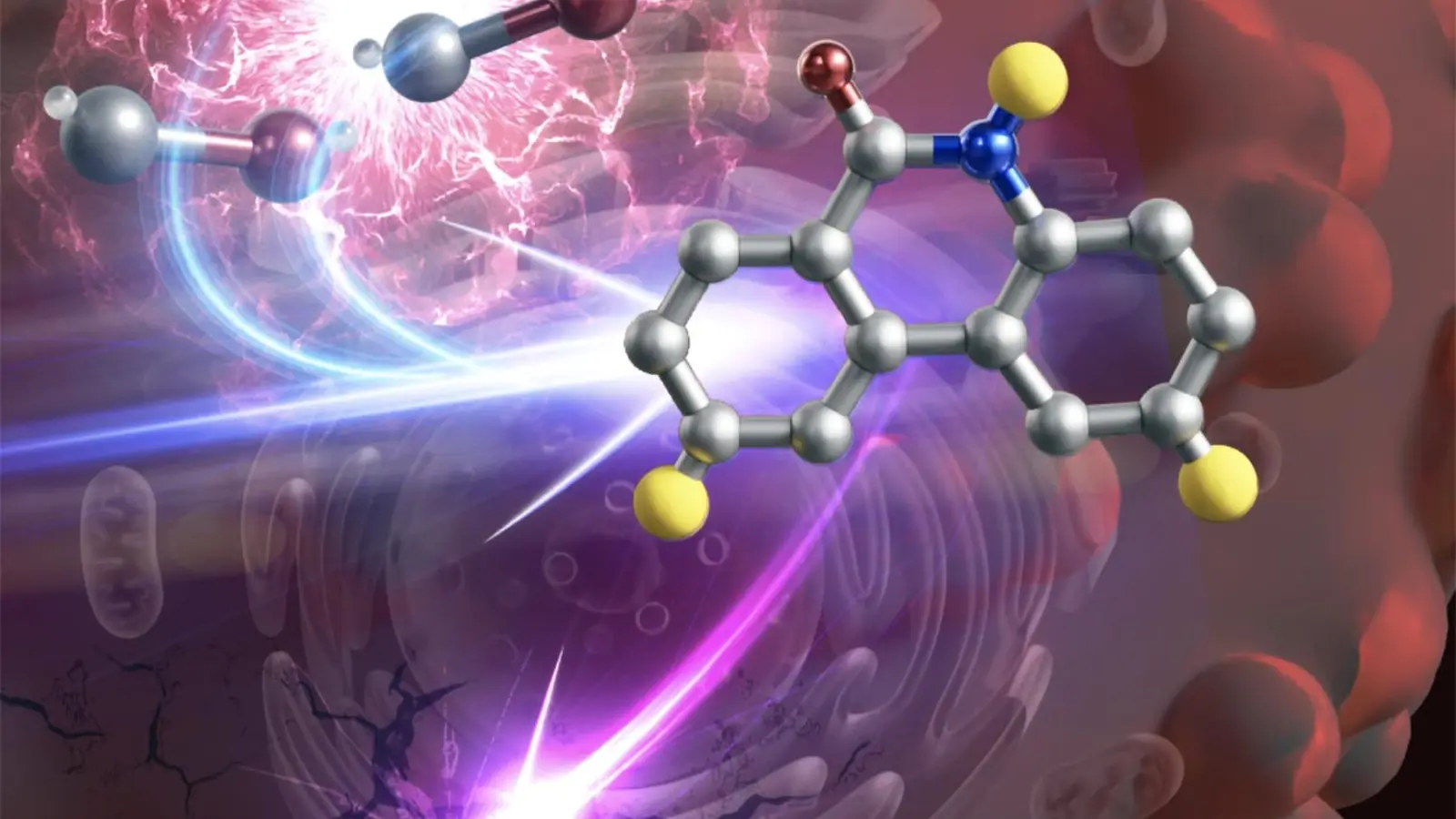
Imagine a tumor turning one of its own toxic byproducts into the weapon that kills it. Strange, right? But a team in Japan has built a chemical trick that does just that: it uses carbon monoxide produced by cancer cells as the raw material to synthesize cell-killing compounds inside those same cells.
The work comes from researchers at the RIKEN Pioneering Research Institute. Their idea flips a long-standing problem into an opportunity. Carbon monoxide is usually cast as a dangerous pollutant released by engines and faulty heaters. Yet the human body makes small amounts of it too. Some tumors, it turns out, generate unusually high levels. That biochemical difference between tumor and normal tissue provided a handle the team could grip.
At the heart of the method is a metal-containing catalyst known as a palladacycle, a palladium-based organometallic structure that can convert carbon monoxide into a class of molecules called phenanthridinones. Certain phenanthridinone derivatives are cytotoxic, meaning they kill cells. The researchers asked a provocative question: could they smuggle a protected palladium catalyst into cancer cells and have the cells’ own excess carbon monoxide feed an internal reaction that produces a deadly compound only where it is needed?
Shielding a fragile catalyst inside the body
There was a big catch. Inside cells, small molecules such as glutathione aggressively deactivate metal catalysts. Left unprotected, a palladacycle would be neutralized before it could do any chemistry. The solution was biological and elegant: wrap the catalyst in albumin, the abundant blood protein that already ferries many molecules through circulation.
This albumin cloak acts like both transport and armor. It keeps the palladium catalyst from being quenched by intracellular defenders long enough for it to reach the tumor. Once inside cancer cells, where carbon monoxide is elevated, the protected catalyst can drive the formation of phenanthridinone molecules from the available gas. The team screened several palladacycles, selected the best-performing candidate, and built albumin complexes that retained activity after cellular entry.
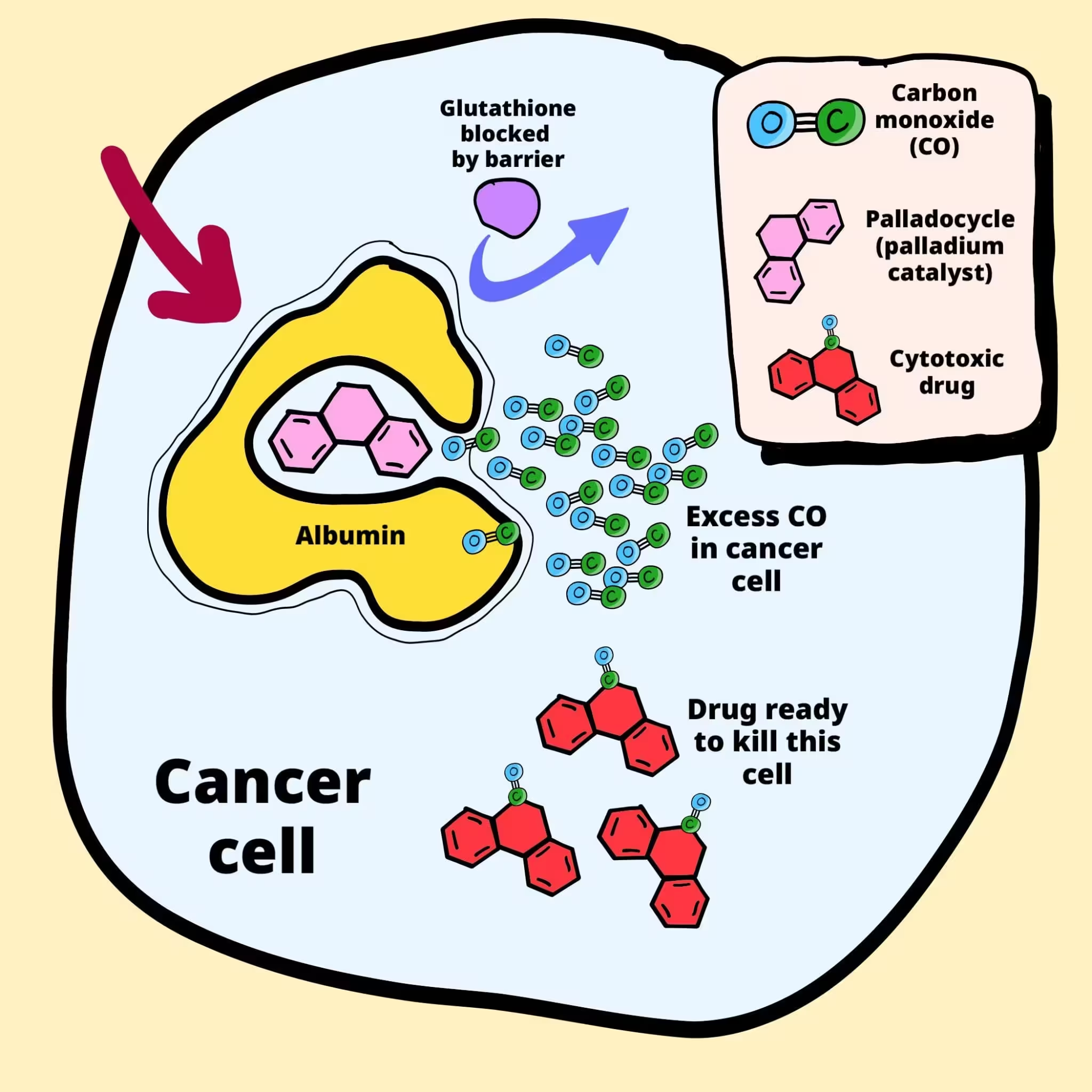
This study’s major achievement. After sending the albumin-palladocycle complex into cancer cells, the albumin was able to protect the palladium catalyst from glutathione. This allowed the catalyst to remain viable, and excess carbon monoxide within cancer cells could then be used to produce the drug, which was then freed up to kill the cancer cells.
What the experiments showed
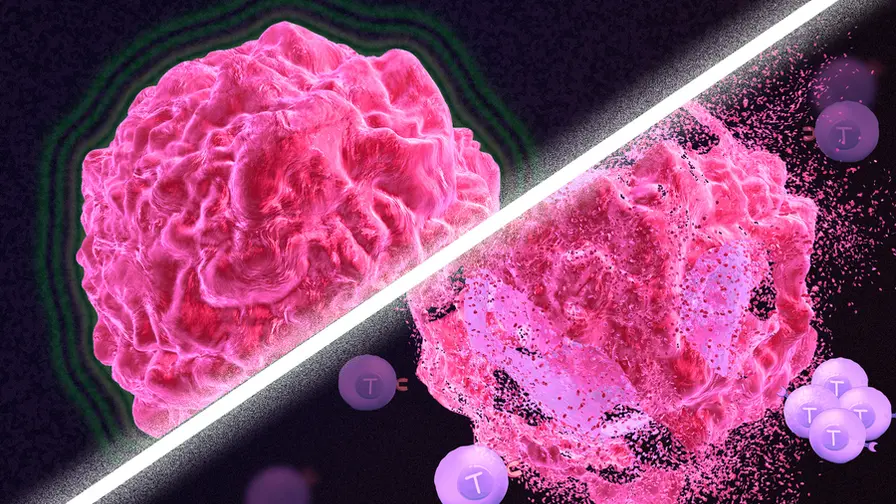
In cultured human cell lines — liver, cervical, breast, and lung cancer cells — the protected complex produced the intended phenanthridinone product within 48 hours. Importantly, researchers detected no such product in a noncancerous cell line, suggesting the chemistry depends on conditions found preferentially in tumors.
They pushed the idea further. By adjusting the system so the synthesized molecule could be released from its carrier, they generated a highly toxic phenanthridinone derivative inside liver cancer cells, which produced measurable cytotoxic effects. In other words, the tumor supplied the feedstock, the palladium made the toxic molecule in situ, and the molecule then harmed the cancer cells.
Blood-level safety was a key concern. If carbon monoxide in blood were free to react, the drug might form prematurely and poison healthy tissues. Blood tests by the team showed no detectable generation of the toxic compound. The reason appears biochemical: carbon monoxide in circulation is largely bound to hemoglobin, making it unavailable for the palladium-catalyzed reaction until the complex reaches the tumor microenvironment.
Implications and next steps
This approach shifts the paradigm from delivering finished chemotherapy agents to delivering chemical precursors and catalysts that assemble the drug only where tumor chemistry allows. The advantage is intuitive: fewer off-target effects, less systemic toxicity, and a possible way to exploit metabolic differences between malignant and healthy cells.
But caveats remain. These results are a proof of concept in cell culture. Animal studies are the logical next step: can the albumin-palladacycle reach solid tumors in vivo at effective concentrations? Will it produce enough of the cytotoxic compound to shrink tumors without harming normal tissue? How stable is the complex in blood, and could immune responses or clearance mechanisms reduce efficacy?
Expert Insight
"This is a clever example of therapeutic in vivo synthetic chemistry," says Dr. Elena Mori, a chemical biologist who studies targeted drug delivery. "The chemistry is elegant and the strategy is pragmatic. But translating cell-culture success into a safe, controllable tumor therapy requires careful animal work. Dose, biodistribution, and the immune context will determine whether the promise holds up."
Conclusion
Turning a tumor’s metabolic quirk into the feedstock for a lethal molecule is an audacious concept that is beginning to look feasible. The RIKEN group’s albumin-shielded palladium catalyst offers a pathway to convert intratumoral carbon monoxide into anticancer agents on site. If the approach survives the hurdles of animal testing and safety evaluation, it could become a new arrow in the quiver of targeted cancer therapies: surgical precision through chemistry rather than scalpel or systemic toxicity.

“My work centers on sustainability, energy, and environmental science — examining how innovation can lead to a greener future.”

Discussion
Leave a Comment
Comments
No comments yet. Be the first.