
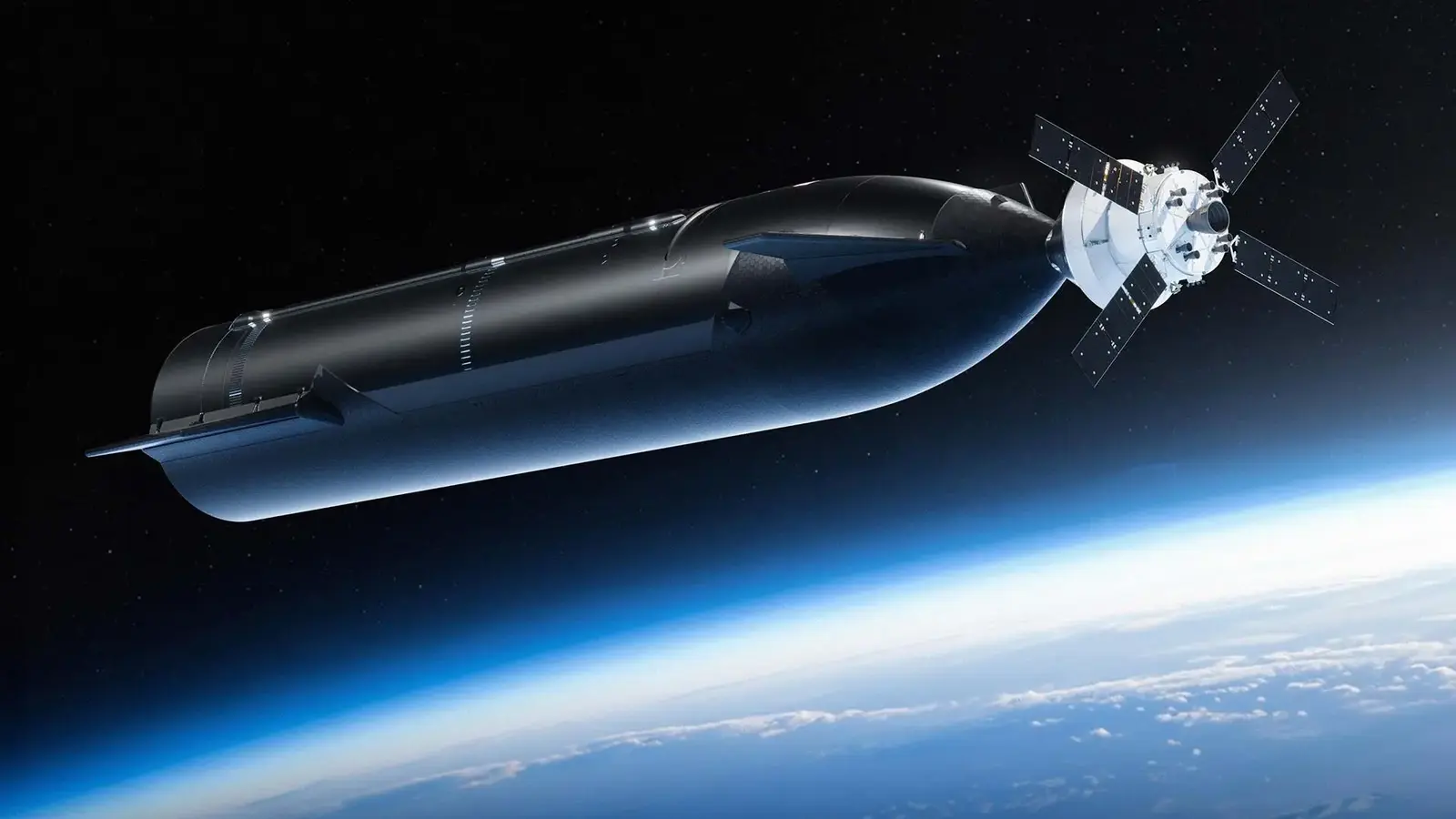
Picture a crowded orbital ballet: three spacecraft, each with its own agenda, moving in a carefully choreographed sequence above the Earth. That is the plan NASA laid out for Artemis III, a mission now framed as the proving ground for two rival lunar landers and a dress rehearsal for returning humans to the Moon.
What Artemis III will test in orbit
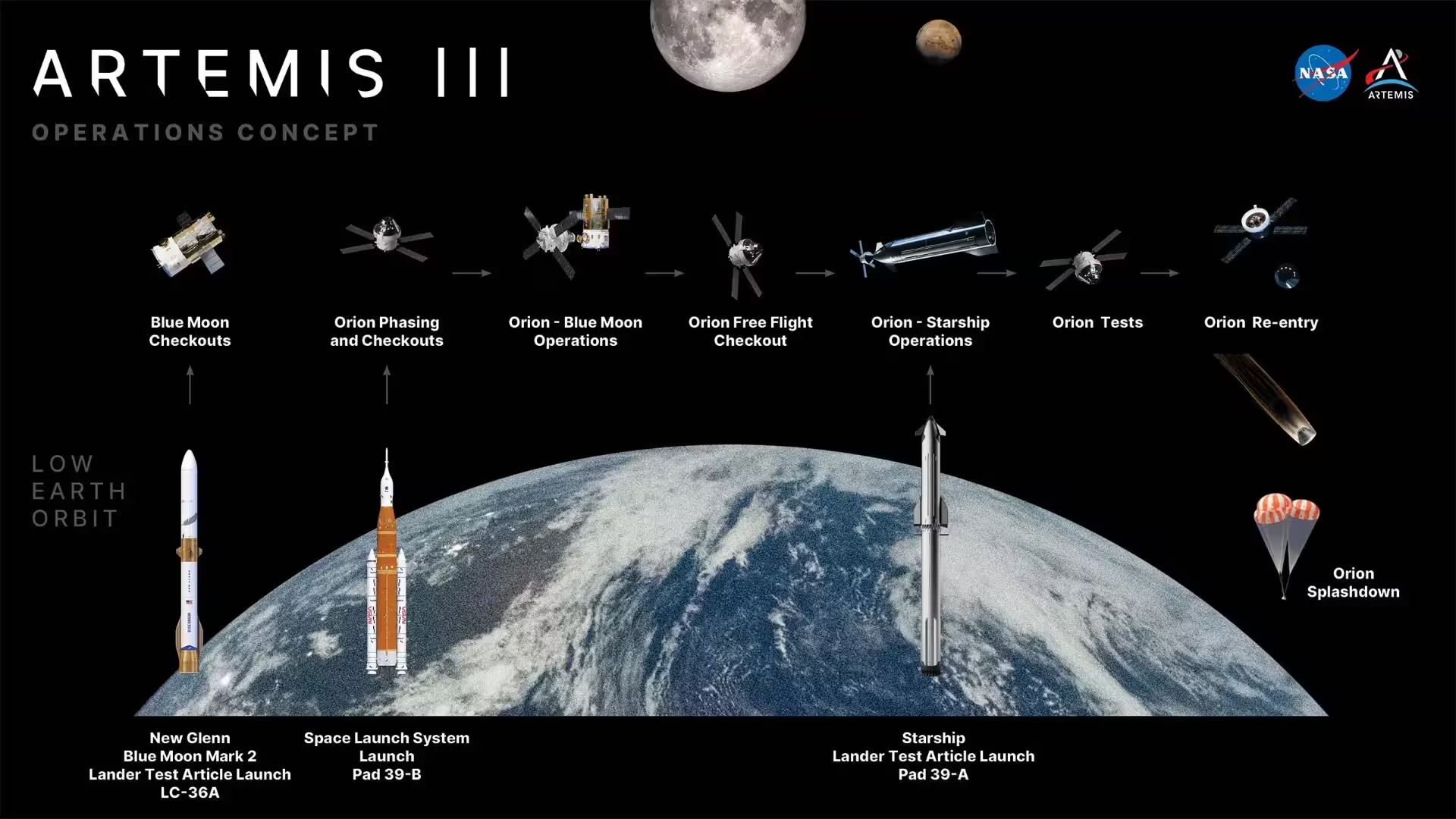
Instead of landing astronauts on the lunar surface, Artemis III has been redesigned into a complex orbital experiment. The crewed Orion capsule will launch atop a modified Space Launch System rocket and attempt sequential dockings with two separate landers: Blue Origin’s Blue Moon variant named BlueMon, and SpaceX’s Starship lunar lander. Each rendezvous will be short and specific. The goal is to demonstrate safe docking, evaluate guidance and communications systems, and gather physiological data on the crew while they stay in lunar vicinity.
The revised plan reduces landing risk while expanding operational knowledge. Orion will first rendezvous with BlueMon. After a brief series of checks, Orion will disengage, reconfigure its orbit, and attempt a second docking with Starship. The Starship interaction is intended as more of a two hour test than a full crew transfer. Crewmembers will not board the lander during these in-orbit trials.
NASA managers say the mission favors incremental risk reduction. Jeremy Parsons, the Artemis program manager, noted that the SLS configuration for this flight has been altered. The upper stage has been removed because the core stage alone provides enough energy to place Orion in the required orbit. That change reflects a pragmatic approach: fewer moving parts, fewer failure modes.
Why the outcome matters for Artemis IV
Only one of the two companies will fly a lander on Artemis IV, the follow-up mission currently targeted for 2028 that aims to put astronauts back on the lunar surface. Artemis III functions, then, as both a technical test and a selection pressure. If one lander demonstrates superior performance or greater operational maturity, NASA may choose it for the crewed lunar touchdown mission.
Yet both competitors remain committed to landing on the Moon independently in 2028 if possible. That intent keeps pressure on the entire timeline. NASA has signaled that it will withhold final selection until it has absorbed as much data as possible from Artemis III. Agency officials say they will wait as long as needed before committing.
There are schedule vulnerabilities. Blue Origin’s New Glenn heavy lift vehicle suffered a dramatic explosion on the pad in May and has been grounded since. Blue Origin expects to resume New Glenn launches in November, but the delay puts pressure on the BlueMon deployment timeline. NASA has no current backup launcher plan to carry BlueMon, making New Glenn’s recovery critical.
SpaceX faces its own challenges. Starship has endured several high profile flight test failures, including multiple explosions. At the same time, the vehicle made its first successful orbital insertion recently, a milestone that matters for readiness. SpaceX plans additional tests next month focused on upgraded Raptor engines and improved flight controls.
Mission tempo and human factors
The mission window NASA currently anticipates is summer 2027. Artemis III is planned as a nominal fourteen day flight but can be extended to seventeen days if operational needs demand it. The schedule is tight. Three launches must be staged in a narrow sequence. BlueMon will lift first on New Glenn. Orion will be on the pad aboard SLS. A few days later, Orion will perform its first docking and onboard teams will run navigation and communications checks that last roughly forty eight hours.
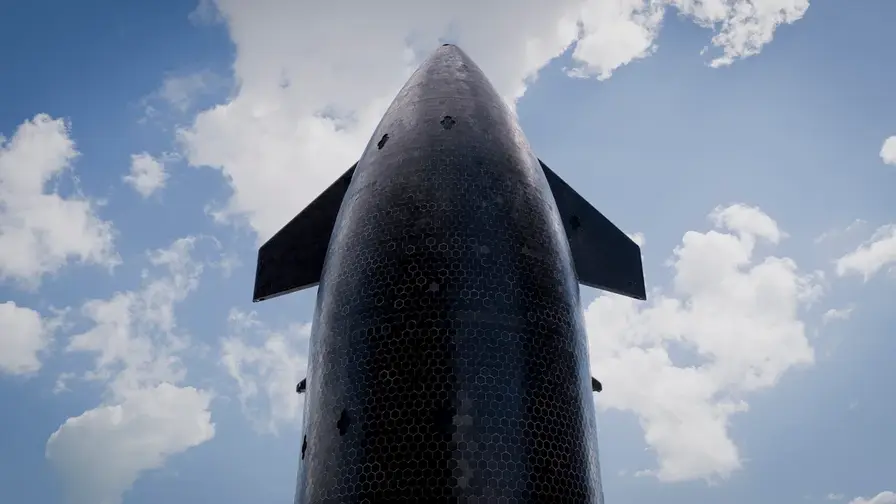
On day six of the mission profile, a Starship lunar lander will launch. Orion will detach from BlueMon, change orbit, and perform a second docking with Starship. Each docking will provide telemetry about relative navigation, automated docking software performance, and crew response to activity in deep space. Those human health measurements are central. NASA wants to know how a crew fares during repeated docking cycles, what microgravity stressors emerge, and how effectively life support and medical monitoring perform in a multi-vehicle scenario.
In Parsons’ words, each day of the mission is built around specific experiments that reduce risk and deliver valuable science. That pragmatic framing captures the dual goal: prepare for a surface landing while collecting data that will make that eventual step safer.
Expert Insight
Dr. Elena Morris, a senior systems engineer who has worked on human spaceflight operations, offered perspective: "This mission is choreography and a stress test. You are not just proving hardware. You are proving procedures, software, and people. The trick is making short, repeatable interactions into a robust operational baseline. If Artemis III succeeds, it changes the calculus for Artemis IV and beyond."
Her comment highlights a central reality. Modern lunar return is as much about operational maturity as it is about raw thrust. Docking on the perfect day is less important than establishing processes that can be repeated under imperfect conditions.
Technologies and future prospects
Artemis III will drive forward a set of technologies that underpin sustained lunar exploration: automated rendezvous software, high-reliability communications beyond low Earth orbit, life support monitoring tailored to repeated vehicle transfers, and lessons about rapid turnarounds between mission elements. Data from these experiments will inform modular lander designs, crew training, and surface mission planning.
Beyond immediate hardware concerns, the mission has programmatic consequences. If Artemis III validates one lander more convincingly, that firm selection for Artemis IV will shape industrial partnerships and funding flows across the next decade. It will also affect international collaboration agreements and commercial service contracts tied to lunar logistics.
Conclusion
Artemis III will not be a glitzy lunar touchdown. Instead, it will be a high-stakes series of dress rehearsals that could decide who gets to carry the next crew to the Moon. The mission is equal parts engineering exam and operational trial. Success will be measured not only by clean dockings but by the clarity of the lessons learned and how they influence the next step: returning humans to the lunar surface.
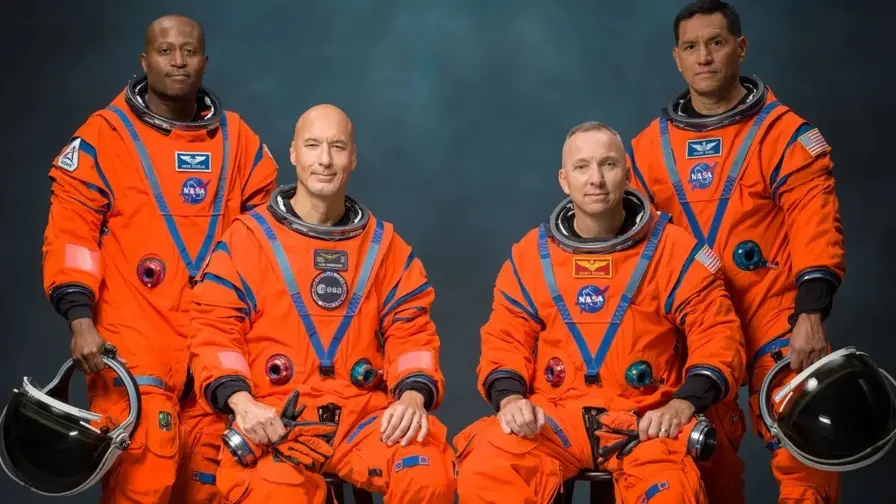

“The cosmos has always fascinated me. I write about space missions, astronomy, and the technologies pushing humanity beyond Earth.”

Discussion
Leave a Comment
Comments (1)
wow, this reads like a space thriller. Two landers, one crew, tight choreography… hope they nail the timing. risky but exciting.