
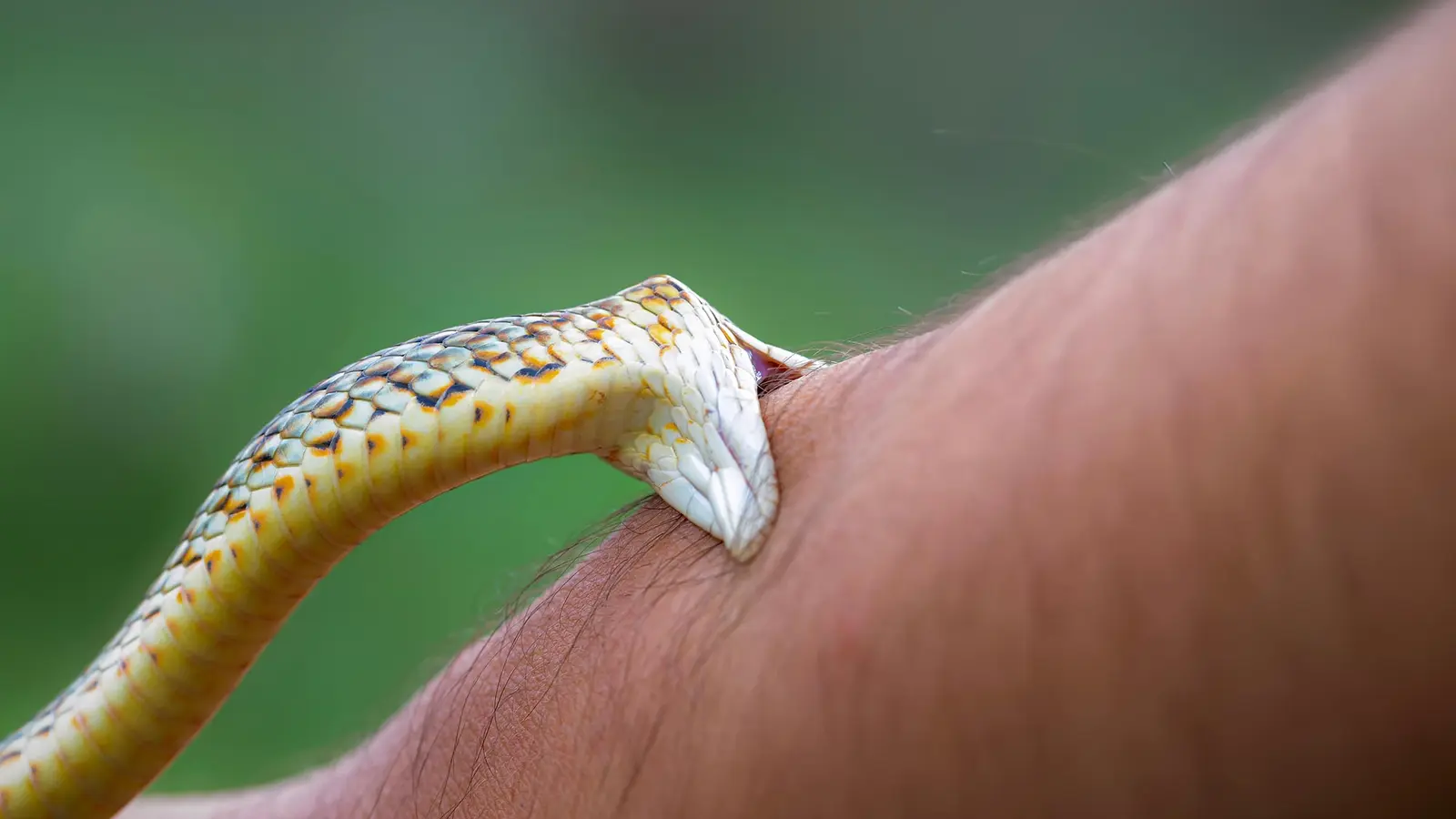
When a farmer in a remote village vanishes from official records after a venomous bite, the world often never knows. That silence has consequences. New modelling suggests the true human cost of snake envenoming is far larger than health statistics imply, and the gap falls hardest on the rural poor.
Millions of people worldwide suffer venomous snakebites each year, but many cases never appear in official health records.
A hidden crisis emerges
Not every bite injects venom. But when venom does enter the body, it can trigger rapid, severe illness—sometimes death. These events are concentrated in tropical and subtropical rural areas where access to emergency care is scarce. And because many victims never reach formal health services, national surveillance systems undercount the problem.
Researchers who study tropical disease and snakebite epidemiology pooled decades of field experience with a large, systematic review to expose that gap. They tracked published studies through 31 March 2025, covering 79 countries, and then used a geostatistical modelling framework to extrapolate where data were missing. The result: a much wider range of plausible outcomes than previously reported.
The numbers are stark. The conservative estimate is that at least 2.1 million people suffer clinically significant envenoming each year. That figure could plausibly climb as high as 7 million. Annual deaths are estimated to lie between roughly 274,000 and 513,000, once model adjustments account for under-reporting.
How the team mapped the unknown
The modelling approach reads like detective work. Think of scattered, reliable data points as clues. The model then blends those clues with environmental and socioeconomic signals to predict the likely pattern of unseen events across landscapes that have no records.
Data and model inputs
- Published hospital and community survey data from 79 countries.
- Climate variables that influence snake activity and human exposure.
- Local species richness: which venomous snakes live where.
- Socioeconomic indicators such as distance to clinics, poverty, and occupational exposure.
By comparing hospital-reported cases with ground-level community surveys, the framework estimates both a baseline floor and an upper ceiling for envenomings and fatalities. In places where hospitals report few or no cases but environmental and social conditions indicate high risk, the model fills in the silent spaces.
One practical output is spatial risk maps at national and subnational scales. Those maps highlight hotspots where antivenom stocks, trained health workers, and rapid transport would likely yield the biggest lives-saved-per-euro return.
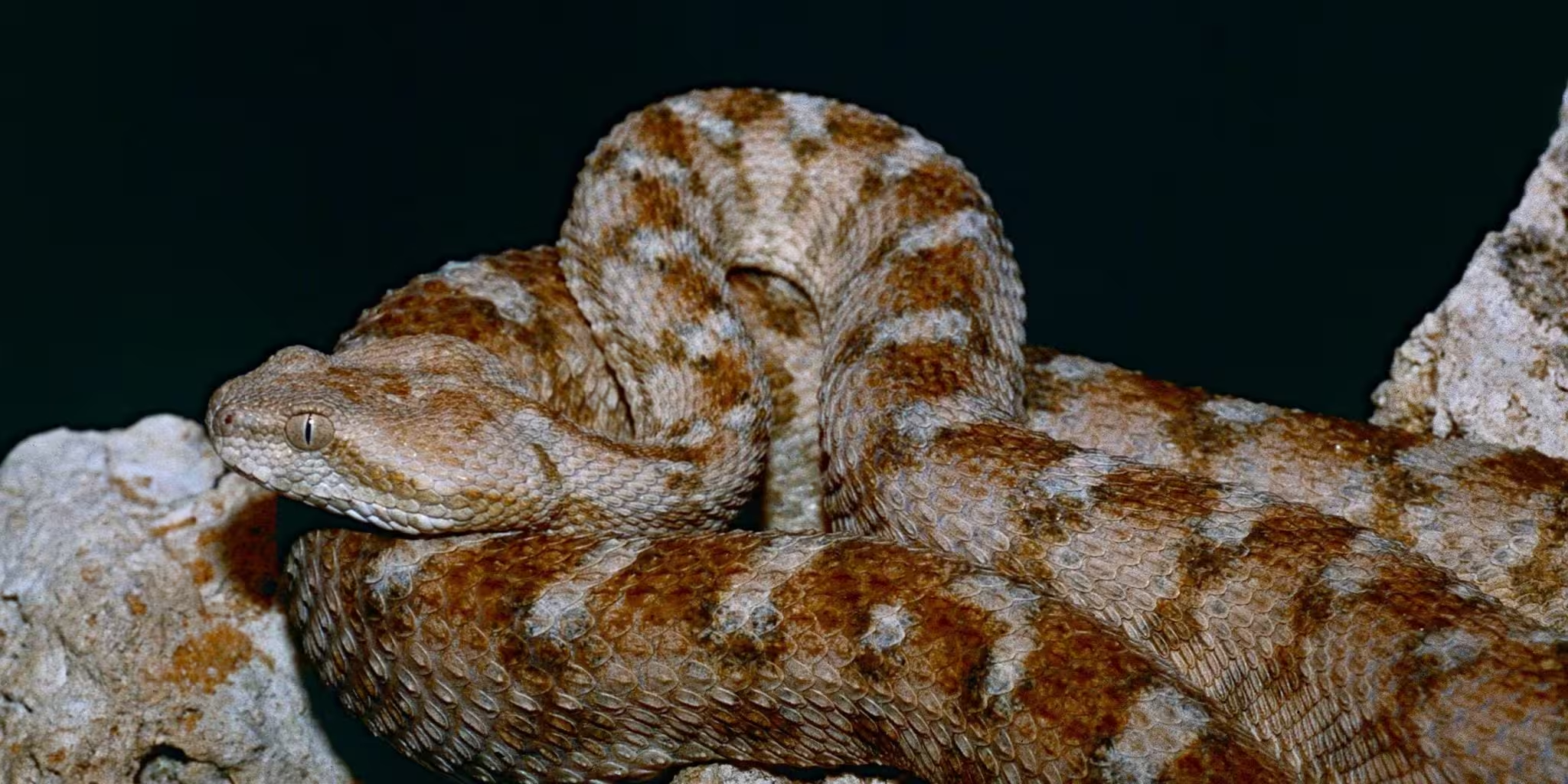
Egyptian Saw scaled Viper.
Why sub-Saharan Africa bears the brunt
Geography helps explain the distribution. Sub-Saharan Africa accounts for about 45 percent of modeled envenomings and related deaths. This region experiences almost three times the rate of envenoming and mortality seen in south Asia, according to the study.
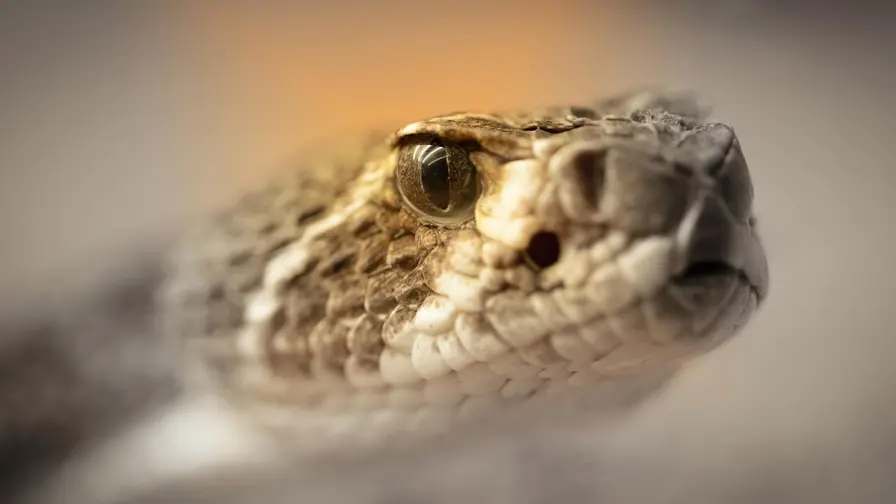
Two structural factors stand out. First, Africa hosts a diversity of medically important venomous snakes: saw-scaled vipers (Echis spp.), puff adders (Bitis arietans), several species of African cobras (Naja spp.), and mambas (Dendroaspis spp.). Their venoms differ in effect and require different clinical management. Second, millions of rural agricultural workers move barefoot or in light footwear through fields and along unlit footpaths. When a bite happens, long travel times to regional hospitals, inconsistent antivenom supply, and weak primary care capacity turn treatable emergencies into fatalities.
The human toll extends beyond deaths. The model estimates more than 800,000 survivors each year suffer long-term physical disabilities—amputations, contractures, chronic ulcers, and other impairments that reduce earning potential and push households deeper into poverty.
Practical implications and next steps
These new estimates change how health systems should plan. If surveillance misses most cases, simply expanding hospital services within current footprints will leave many victims uncovered. The study suggests three targeted actions:
- Use spatial risk maps to preposition antivenom at district or community level, not just at a few urban centers.
- Train primary health workers in identification and early management of envenoming, and create clear referral pathways for severe cases.
- Invest in transport and communication networks so timely care is physically reachable for remote populations.
The World Health Organization has set a target to halve snakebite mortality and disability by 2030. Accurate, spatially detailed data are a necessary first step toward that goal, not an optional extra.
Expert Insight
"Quantifying unseen disease is always difficult, but spatial models give health planners practical tools," says Dr. Amina K. Mensah, a fictional epidemiologist with extensive field experience in West Africa. "You can argue all day about exact numbers, but you cannot argue with a map that shows where people are dying. That map should guide where antivenom is stored and where community health workers are trained."
Her point captures the study’s pragmatic bent: better maps do not cure venom, but they allow scarce resources to be deployed where they will save lives and limbs.
Conclusion
Snake envenoming has long been undercounted. This new, model-based reappraisal suggests the global burden is substantially higher than official records indicate, with sub-Saharan Africa carrying a disproportionate share. The policy imperative is clear: move from guesswork to spatially informed action. Invest in surveillance, antivenom supply chains, frontline clinical training, and transport. Do that, and the silent toll of snakebites can finally be heard—and reduced.


“My work centers on sustainability, energy, and environmental science — examining how innovation can lead to a greener future.”

Discussion
Leave a Comment
Comments
No comments yet. Be the first.