
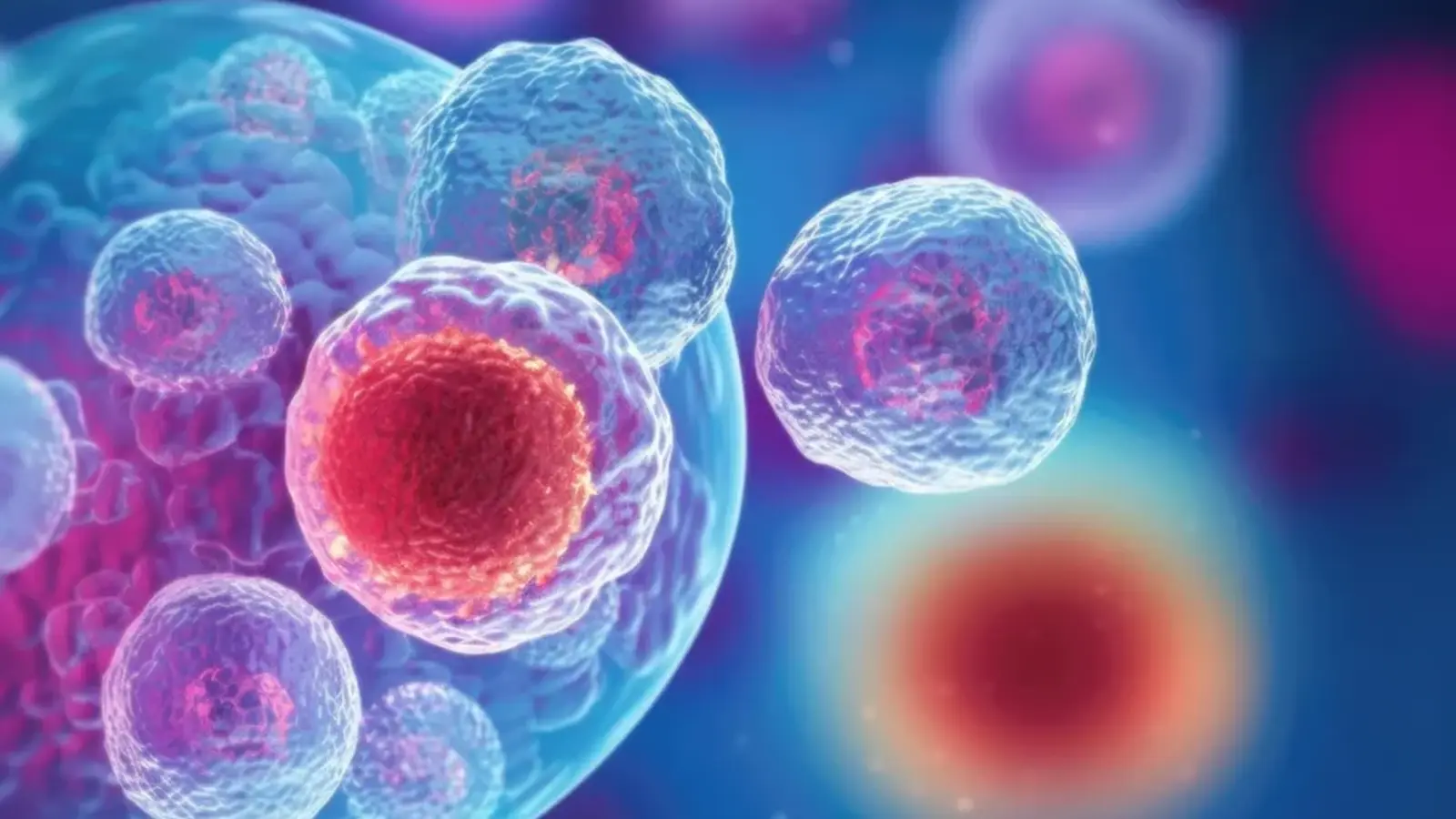
When researchers coaxed blood cells from an 80-year-old donor to behave like neural stem cells, the result was startling: the cells' molecular signatures resembled those of people under 20. That is not a metaphor. It is a measurable change on the epigenetic clock.
From blood to neural stem cells without the detour
Most of the body's specialized cells carry nearly identical DNA yet perform wildly different jobs. Blood cells do not naturally turn into nerve cells. But by applying a selected set of transcription factors - proteins that switch genes on and off - scientists at the University of Bonn rewired adult blood cells directly into neural stem cells. They avoided the intermediate induced pluripotent stem cell stage used in older protocols. The shortcut matters because it lets researchers observe the conversion and its effects in real time, rather than only at the finish line.
What the team tracked was not only identity. They followed biochemical marks on DNA that act as a molecular clock of cellular age. These epigenetic clocks estimate a cell's biological age by reading patterns of DNA methylation and related chemical tags. After reprogramming, the transformed cells did not merely express youth-associated genes. Their epigenetic profiles shifted dramatically, indicating a reduction of more than 60 years in molecular age over the course of the experiment.
Time matters here. The rejuvenation unfolded gradually and could be monitored for more than 100 days. Around day 50, the molecular age of the cells had already dropped by roughly 60 years. The extended observation window allowed the researchers to study intermediate states and dynamics, rather than reporting a single endpoint.
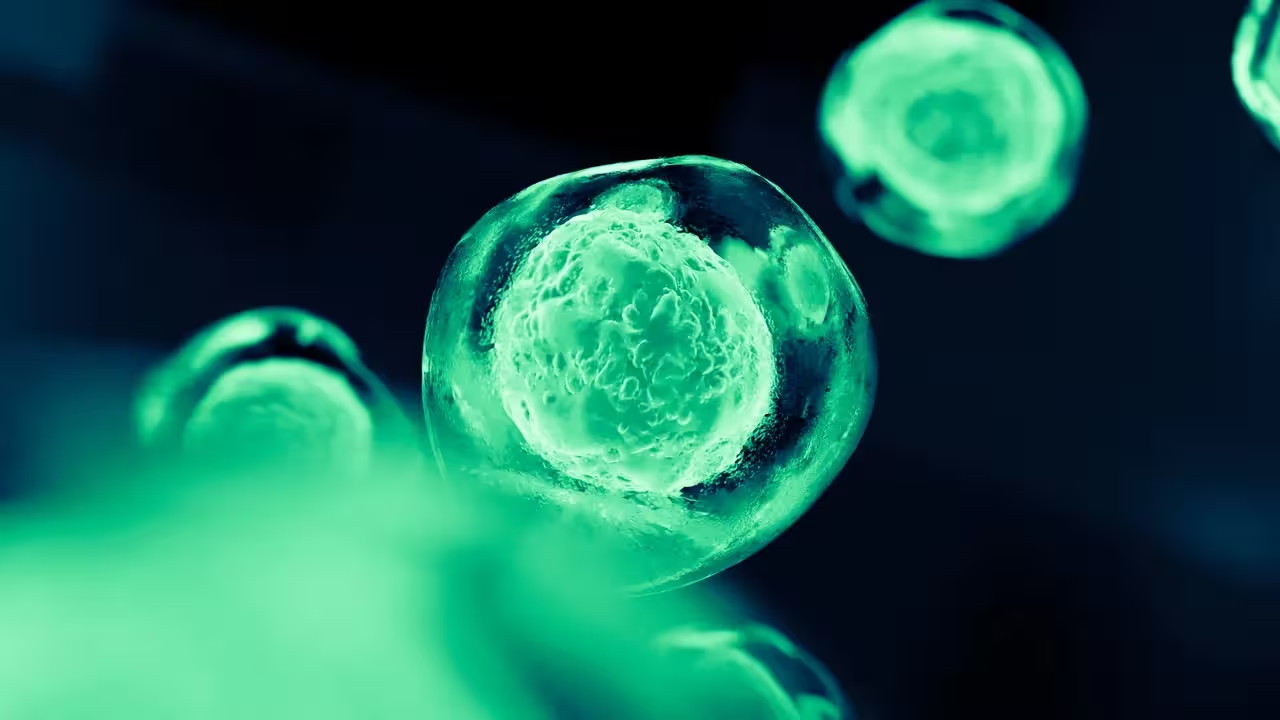
This work builds on earlier demonstrations by the same group showing that these lab-made neural cells can integrate with neurons when transplanted into mouse brains. Together, the findings suggest that direct reprogramming can both change cell identity and reset aspects of cellular aging.
Why the change is promising but not a fountain of youth
Rewinding a cell's epigenetic clock in a dish opens a new experimental avenue for studying the molecular mechanisms that link aging to neurodegenerative disease. Age is the greatest risk factor for conditions such as Alzheimer disease. If researchers can recreate younger cellular states from aged donors, they gain testable models to probe vulnerability, resilience, and the early molecular events that precede pathology.
That said, laboratory rejuvenation is not the same as reversing aging across a living human. The reported changes were observed in controlled culture conditions. Translating epigenetic resetting into safe, whole-body therapies faces many hurdles: ensuring stable cell function, avoiding unintended reprogramming or uncontrolled proliferation, and proving long-term benefits in animals and humans.
Technically, the approach links two core tools of modern biology: transcription-factor-driven reprogramming and quantitative epigenetic clocks. Combining them produces a dynamic readout of how identity and age interact during conversion. It also highlights a pragmatic benefit of direct conversion: fewer steps, a clearer time course, and the ability to watch rejuvenation as it unfolds.
Published in the journal Aging Cell, the study is careful in its claims. The authors position the method as a research platform rather than a therapeutic solution. More work will be needed to map which aspects of the epigenetic reset matter for function, and which are merely cosmetic shifts in molecular labels.
For now, the result is a crisp demonstration that cellular age is plastic and measurable. It gives scientists a new lever to pull as they investigate the biology of aging and neurodegeneration, and it reframes old questions: what makes a cell feel old, and how far can we turn the clock back in the lab?

“My work centers on sustainability, energy, and environmental science — examining how innovation can lead to a greener future.”

Discussion
Leave a Comment
Comments (1)
Whoa, turning 80yo blood into neural stem cells and shaving 60+ years off the epigenetic clock? Mind blown. Curious how stable that youth is tho…