
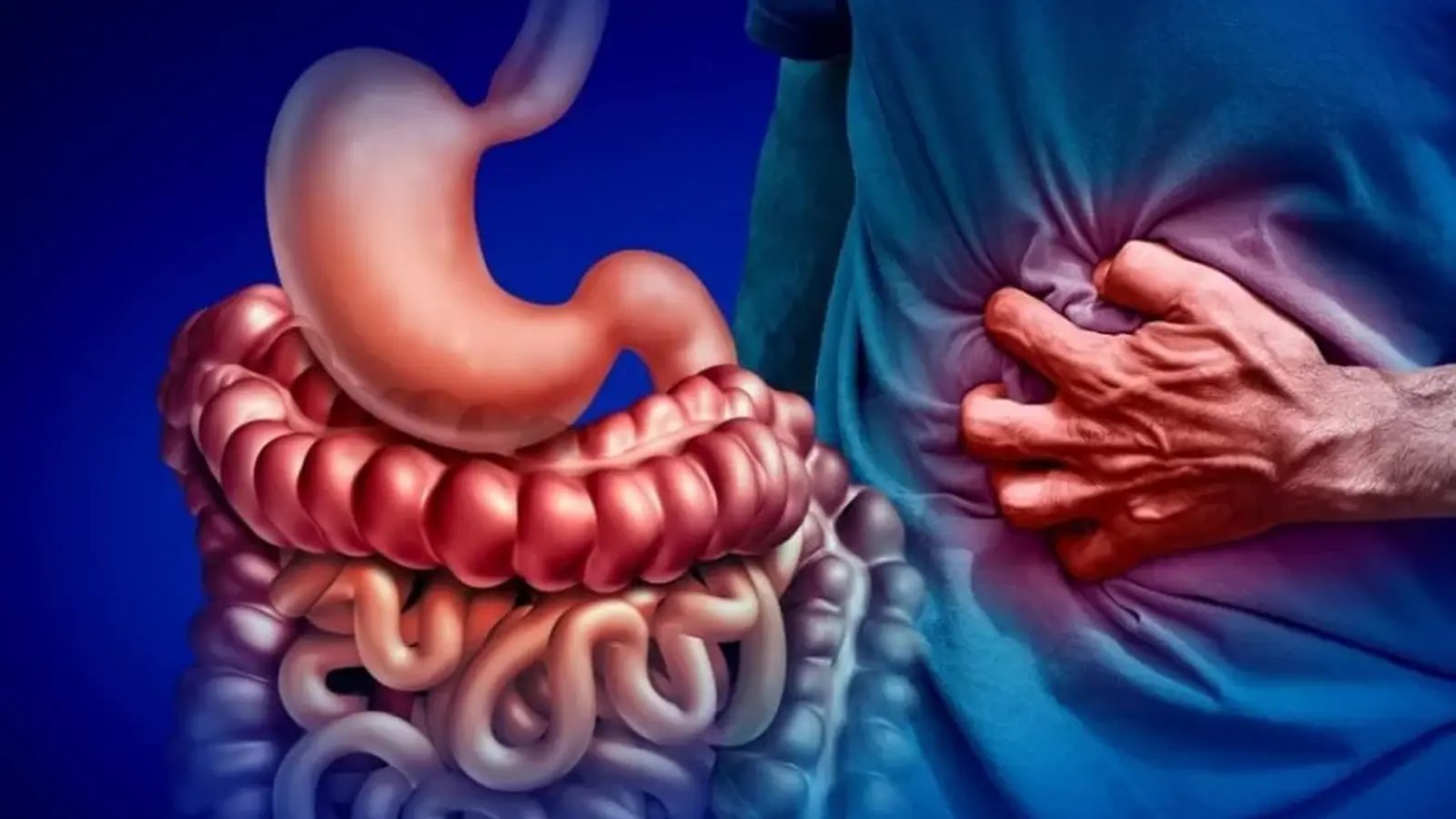
Could the clock on your plate be as important as what’s on it? A small but striking clinical trial out of the University of Calgary suggests so: compressing daily food intake into an eight-hour window—commonly called 16:8 time-restricted eating—produced marked improvements in adults with Crohn's disease, even without changing calorie counts or the types of food consumed.
The study enrolled 35 overweight adults diagnosed with Crohn's disease and tracked clinical symptoms, blood markers of inflammation, immune-cell behavior, and body composition. Participants assigned to the time-restricted pattern ate all meals within an eight-hour span each day and fasted for the remaining 16 hours. The findings, published in Gastroenterology and supported by the Crohn's Foundation, were unexpected in both scale and speed.
Restricting eating to an eight-hour window cut overall disease activity by about 40% in the study. Patients also reported roughly a 50% reduction in abdominal pain, and laboratory tests showed lower inflammatory markers alongside changes in immune-cell function. On average, the fasting group lost about 2.5 kilograms, but researchers emphasize that metabolic shifts and reductions in visceral fat appeared to matter more than weight alone.
How might timing influence inflammation?
Biology has a clock. Cells in the gut, immune system, liver and even the microbiome follow daily rhythms that coordinate digestion, repair and immune surveillance. When eating is spread evenly across 24 hours, those rhythms can become noisy. Shortening the eating window seems to give the digestive tract a daily rest period, allowing repair processes to proceed and inflammatory signals to down-regulate.
Blood tests in the Calgary trial revealed changes consistent with reduced systemic inflammation and improved immune regulation. Stool and microbiome analyses hinted at shifts in bacterial populations linked to better gut barrier function. The researchers also measured reductions in visceral adiposity—fat stored around abdominal organs—which is known to secrete inflammatory molecules that can worsen inflammatory bowel disease (IBD).
Dr. Maitri Raman, the study's lead author, commented on the results: “We observed favorable metabolic changes, decreases in visceral fat and positive shifts in the gut microbiota. These effects suggest intermittent fasting may help patients sustain remission for longer periods.” Her team stresses that the intervention involved no calorie restriction or specific diet—only altered timing.
These results are promising, but not definitive. The trial size was modest and participants were a specific subgroup (overweight adults). Larger, longer-term trials are required to confirm benefits across the diverse population living with Crohn's disease and to pin down mechanisms.
Patients with IBD should not change treatment or begin a fasting regimen without consulting their gastroenterologist. Individual needs vary—medication schedules, nutritional status, risk of malnutrition and disease severity all matter. Still, the study opens a practical, low-cost avenue for research and clinical discussion: sometimes when you eat can change how your body heals.


“My work centers on sustainability, energy, and environmental science — examining how innovation can lead to a greener future.”

Discussion
Leave a Comment
Comments (2)
is this even true? small study, overweight only, what about those on meds or malnourished. sounds promising but could be risky if tried alone
Wow this is wild! 16:8 cutting symptoms ~40%? If true, total game changer for Crohn's. Need bigger trials tho, but hopeful, curious.