
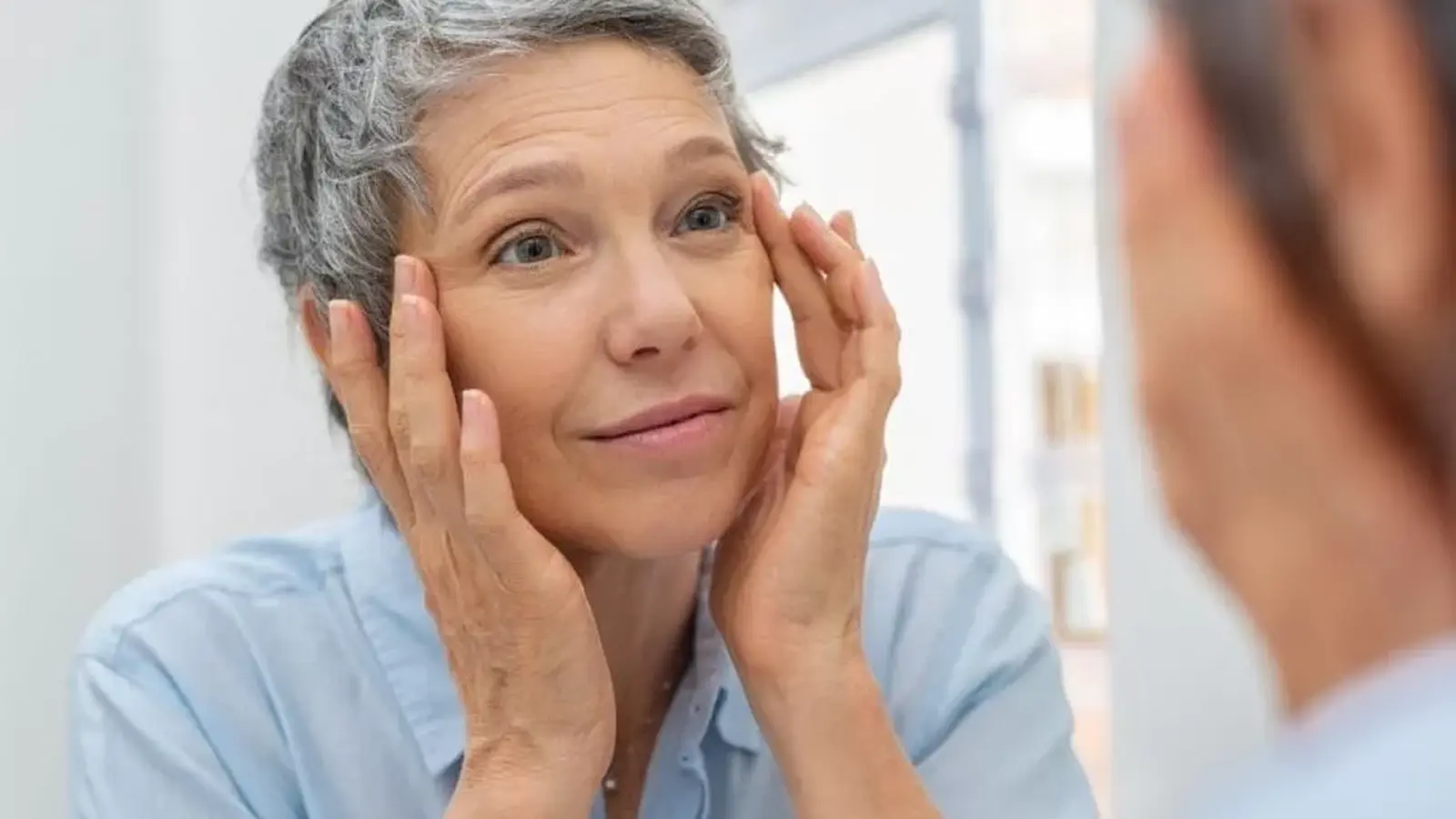
Since 1990, global diagnoses of cancer in people under 50 have jumped by roughly 79 percent. That number jolts the conversation from isolated cases to a population-level puzzle: are younger generations literally ageing faster at the cellular level?
A new analysis published in Nature Medicine suggests they might be. Comparing birth cohorts across decades, researchers found that people born between 1965 and 1974 exhibit higher biological age markers than those born in 1950 to 1954. The pattern does not stop there. Later cohorts, including people born in the 1990s, show still greater biological ageing when evaluated by cellular and molecular indicators.
Biological age is not the same as the number of birthdays you have celebrated. It is an estimate of how well tissues and cellular systems are functioning relative to chronological age. Scientists infer it from patterns in cells and molecules: epigenetic signatures, protein and metabolite profiles, and other biomarkers that reveal accumulated wear and tear. When these signals run ahead of calendar years, researchers call that accelerated aging.
Why this matters goes beyond semantics. Cancer has traditionally been seen as a disease of old age. Yet the climb in early-onset cancers, coupled with the rise in biological-age measures among younger people, suggests a shifting landscape of vulnerability. The Nature Medicine study stops short of declaring a direct cause-and-effect link between accelerated aging and cancer. Still, the correlation is strong enough to force a change in perspective: from studying single tumor cells in isolation to examining the ageing state of the whole body as a risk environment for cancer and other chronic diseases.

What this could mean for prevention and research
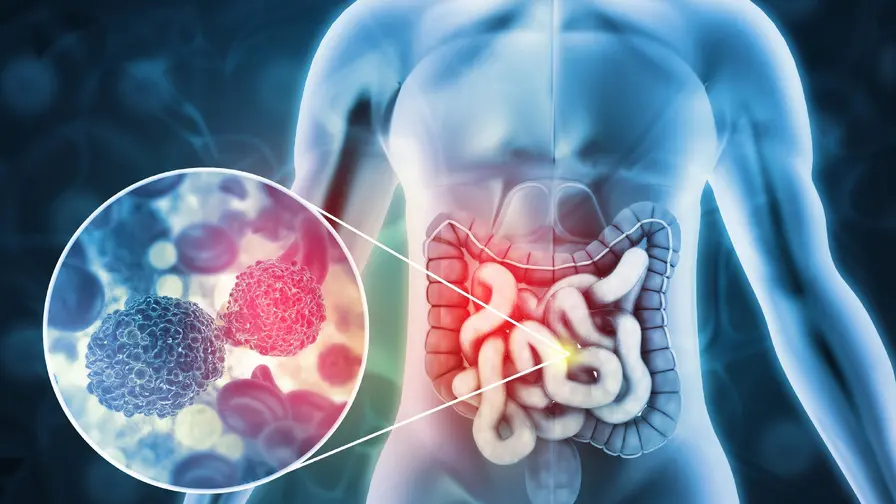
Researchers and clinicians now face a list of urgent questions. Are environmental exposures, lifestyle changes, or shifts in childhood development accelerating molecular ageing? Or do shared upstream factors simultaneously push biological ageing markers and cancer incidence upward? The study’s co-authors highlight that some young adults show these ageing signatures much earlier than expected, which may partly explain the climb in early-onset malignancies.
Public-health data underscore the concern. A BMJ review reports the nearly 79 percent increase in cancer diagnoses among people under 50 since 1990. In the European Union, cancer registries documented about 13,800 new cases in children and adolescents across 27 member states in 2022. Those figures do not map neatly onto a single cause.
Prior research points to several plausible contributors: diets high in heavily processed foods, rising rates of obesity, alcohol use, tobacco exposure, and emerging worries about environmental contaminants such as microplastics. Each factor can influence metabolism, inflammation, and cellular repair mechanisms, and in turn shift biological age markers. But pinning down which drivers are primary, and which are collateral, requires further longitudinal and mechanistic studies.
For policy and practice, the findings argue for broader strategies. Surveillance that includes biological-age metrics could identify at-risk groups earlier. Preventive efforts might need to address upstream determinants: food systems, environmental pollution, and health behaviors across the life course. Screening guidelines may also need reevaluation to reflect changing risk patterns.
“Some adults are showing biological changes far sooner than we anticipated,” one study author observed, summarizing the team’s view that ageing processes deserve the same epidemiological attention as traditional cancer risk factors. The statement captures a simple but profound point: tackling early-onset cancer may require treating the body’s vulnerability, not only hunting tumors.
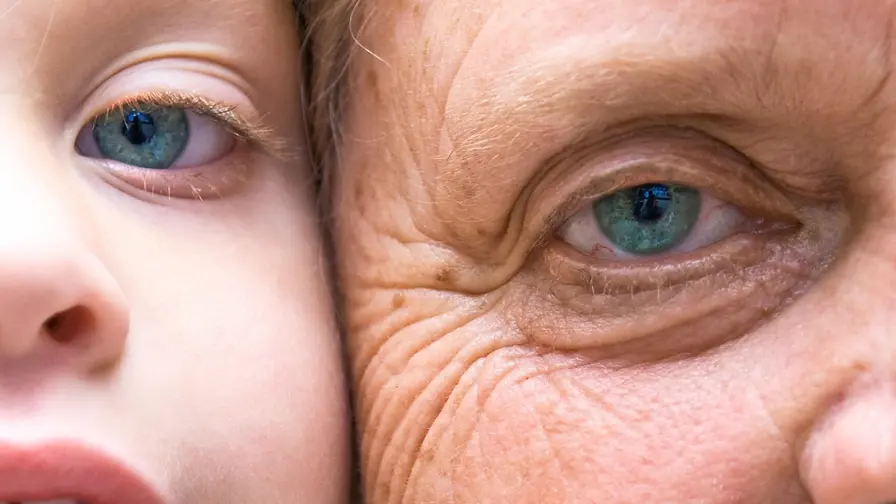
The path forward is clear but complex. Large cohort studies, improved biomarkers, and cross-disciplinary research that connects molecular aging to clinical outcomes will be essential. Only then can we tell whether accelerated biological aging is a driver, a co-traveler, or a symptom of deeper societal shifts affecting the health of younger generations.

“My work centers on sustainability, energy, and environmental science — examining how innovation can lead to a greener future.”

Discussion
Leave a Comment
Comments (2)
this hits home, my cousin got cancer at 39. If biological age markers can flag risk earlier we should screen differently, but how to implement??
Alarming data but is it accelerated ageing or just better detection, lifestyle shifts? Correlation isnt causation. Need longer studies, but still kinda scary...