
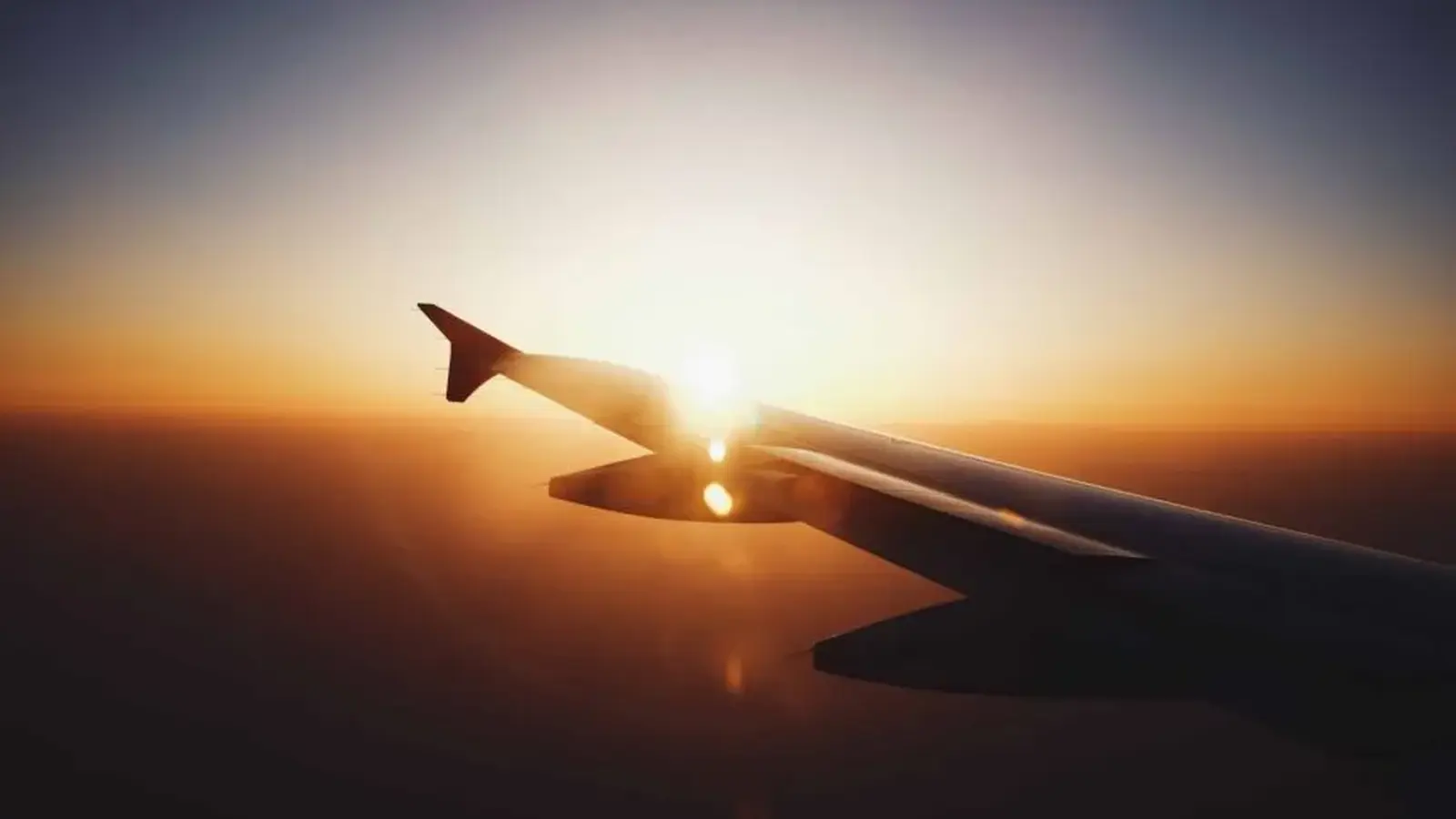
At cruising altitude, the sky is thinner and so is our protection. That diminished shield matters more than most travelers realize. A large new analysis finds that those who spend their workdays above the clouds face a noticeably greater risk of dying from cancers tied to ionizing radiation.
Skyward exposure, measurable consequences
Researchers at Harvard Medical School examined death records for 12.7 million people in the United States from 2020 to 2024, spanning 503 occupations. They separated cancers into those typically associated with radiation exposure and those without a clear radiation link. The headline result was stark: flight attendants had a 50 percent higher risk of death from radiation-related cancers compared with other jobs in the dataset, while pilots showed a 36 percent higher risk.
Those increases outpaced occupations long thought to be most exposed, such as nuclear medicine or hospital radiology staff. The findings were published in JAMA Internal Medicine and have prompted fresh attention to occupational risks in aviation.
Why altitude and latitude matter
Earth’s atmosphere works like a filter, absorbing or scattering high-energy particles from space. Climb higher and the filter thins. Spend more time at altitude and the dose adds up. Polar routes take crews through regions where cosmic radiation is stronger. Longer flights mean more cumulative exposure.

According to the study team, flight crews typically receive about 3 to 6 millisieverts of cosmic radiation per year. For comparison, a passenger who takes ten international round trips a year receives roughly 0.4 millisieverts. Those numbers help explain why occupational exposure, not occasional travel, drives the different risk levels observed.
Radiation-associated cancers identified in the analysis included breast, thyroid, prostate, leukemia, and melanoma. Importantly, mortality from cancers not linked to radiation was close to average for flight crews, suggesting a specific association rather than a general increase in cancer deaths across the board.
What this means for crews and regulators
These results raise practical questions. Should airlines track cumulative radiation dose for crew members? Can route planning and altitude selection reduce long-term risk? Is there sufficient occupational screening and education for crew health? Many experts say yes to all three.
But the study cannot prove cause and effect on its own. Death certificate data and occupation coding have limits. Other workplace factors, such as disrupted circadian rhythms, ultraviolet exposure, or lifestyle differences, could play a role. Still, the size of the dataset and the consistency across flight crew categories strengthen the signal.
Conclusion
This analysis puts cosmic radiation squarely on the occupational radar for pilots and flight attendants. It does not offer immediate answers, but it does identify a clear need: better dose monitoring, targeted health surveillance, and research into mitigation strategies. For people whose commute crosses the stratosphere every day, those steps may be essential.


“My work centers on sustainability, energy, and environmental science — examining how innovation can lead to a greener future.”

Discussion
Leave a Comment
Comments (2)
Whoa, my sis is a flight attendant and this actually worries me. They spend years up there, not just vacations. Airlines should monitor routes & doses, like now
Is this even true? Death records are messy, flight crews have circadian, UV, lifestyle factors... but 50% higher? If so, track doses, pronto