
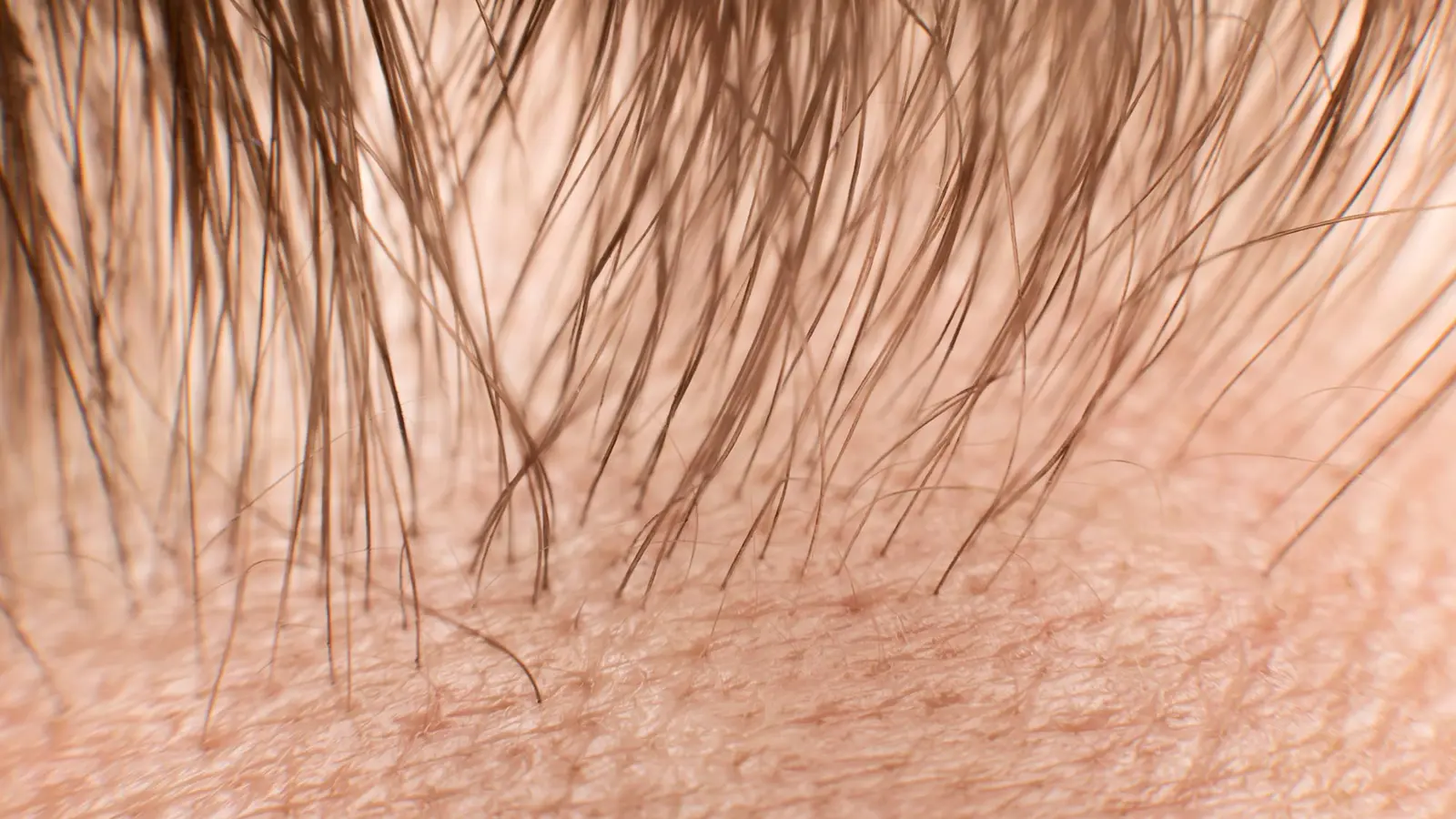
In busy hospital wards a puzzling organism can disappear from view by slipping into an unlikely refuge: the hair follicle. Small, sheltered, and oddly effective, that niche gives Candida auris a foothold on skin long enough to turn a routine colonization into a dangerous threat for vulnerable patients.
How a benign passenger becomes a persistent resident
Researchers at the University of California, San Francisco set out to understand what makes C. auris stick around where more familiar skin fungi do not. They compared it with Candida albicans, which the immune system usually clears quickly. In mouse experiments, C. albicans vanished within days. C. auris did not. Instead, it nested inside hair follicles and remained detectable for far longer.
That persistence is not merely academic. When C. auris breaches the bloodstream it can cause severe infections and has been linked to thousands of deaths in hospital and long-term care settings in the United States each year. Preventing skin colonization, therefore, is a critical front in controlling the pathogen.
.avif)
Candida auris (red) manages to hide on hair follicles by triggering an inappropriate immune response (light blue) in skin, which stops the skin’s typical antifungal cleaning process.
An immune switch and a reshaped cell wall
The key discovery is a twist in immune signaling. Candida albicans provokes an IL-17 driven response that speeds skin renewal and clears fungi. Candida auris, by contrast, triggers interferon gamma, a signal more commonly linked with antiviral defenses. The result is a mismatch: the skin’s normal antifungal machinery falters and the fungus gains a safe harbor.
What the signals do
- IL-17 encourages the shedding and replacement of superficial skin cells and mobilizes antifungal responses.
- Interferon gamma can suppress those antifungal pathways and slow cell turnover in the hair follicle.
At the molecular level, the fungus alters its outer surface to expose more chitin, a structural molecule found across many organisms. Immune cells around the follicle detect that chitin and respond by producing interferon gamma. That cytokine then dampens the IL-17 response and reduces the follicle’s normal renewal, letting older, damaged cells accumulate and creating a niche where C. auris can persist.


Candida auris spores (small spheres) on an infected hair follicle.
Potential strategies to disrupt colonization
Understanding the mechanism points to practical interventions. One approach would be to nudge immune responses away from interferon gamma and back toward IL-17, restoring the skin’s antifungal clearance. Another would be to block the fungus’s ability to expose chitin or to neutralize that chitin signal before it skews immunity.
Those pathways are not yet therapies. Translating the discovery into an applied treatment will require careful work to avoid unintended immune consequences. Still, the idea of preventing colonization at the skin level is attractive because it could reduce the chance that the organism ever reaches deeper tissues.
Clinical and public health implications
For most healthy people, C. auris can live on the skin without causing symptoms. Risk rises when patients are medically fragile, have invasive devices, or have weakened immune systems. In those contexts the fungus can move from skin into the bloodstream, where infections are much harder to treat.
Stopping skin colonization is therefore both an infection-control measure and a patient-protection strategy. If interventions can clear C. auris from skin or prevent it from finding a follicle sanctuary, hospitals and long-term care facilities would have one more tool against a pathogen known for persistence and resistance to treatment.
Expert Insight
"This work reveals how subtle changes at the microbe surface tip the balance of immune responses in ways we did not expect," says Dr. Elena Park, an infectious diseases researcher who studies host-pathogen interactions. "Targeting the signals that allow C. auris to hide could be as important as developing new antifungals. It is a reminder that where a pathogen lives on the body matters as much as what drugs we use against it."
Conclusion
Candida auris demonstrates that survival on skin can be an active strategy, not just passive residence. By exposing chitin and provoking interferon gamma, the fungus converts hair follicles into a refuge that shields it from antifungal defenses. Translating these findings into therapies or preventive measures will take time, but the study opens a new and promising avenue for reducing the risk this organism poses to hospitalized and long-term care patients.


“My work centers on sustainability, energy, and environmental science — examining how innovation can lead to a greener future.”

Discussion
Leave a Comment
Comments (2)
wow never thought a fungus could use hair like a bunker! creepy, genius? ugh hospitals gotta stay sharp on this
Is this even true? So C auris hides in hair follicles by flipping immune signals to interferon gamma... sounds wild. But can we safely nudge immunity in patients? feels risky, or am I missing sth