
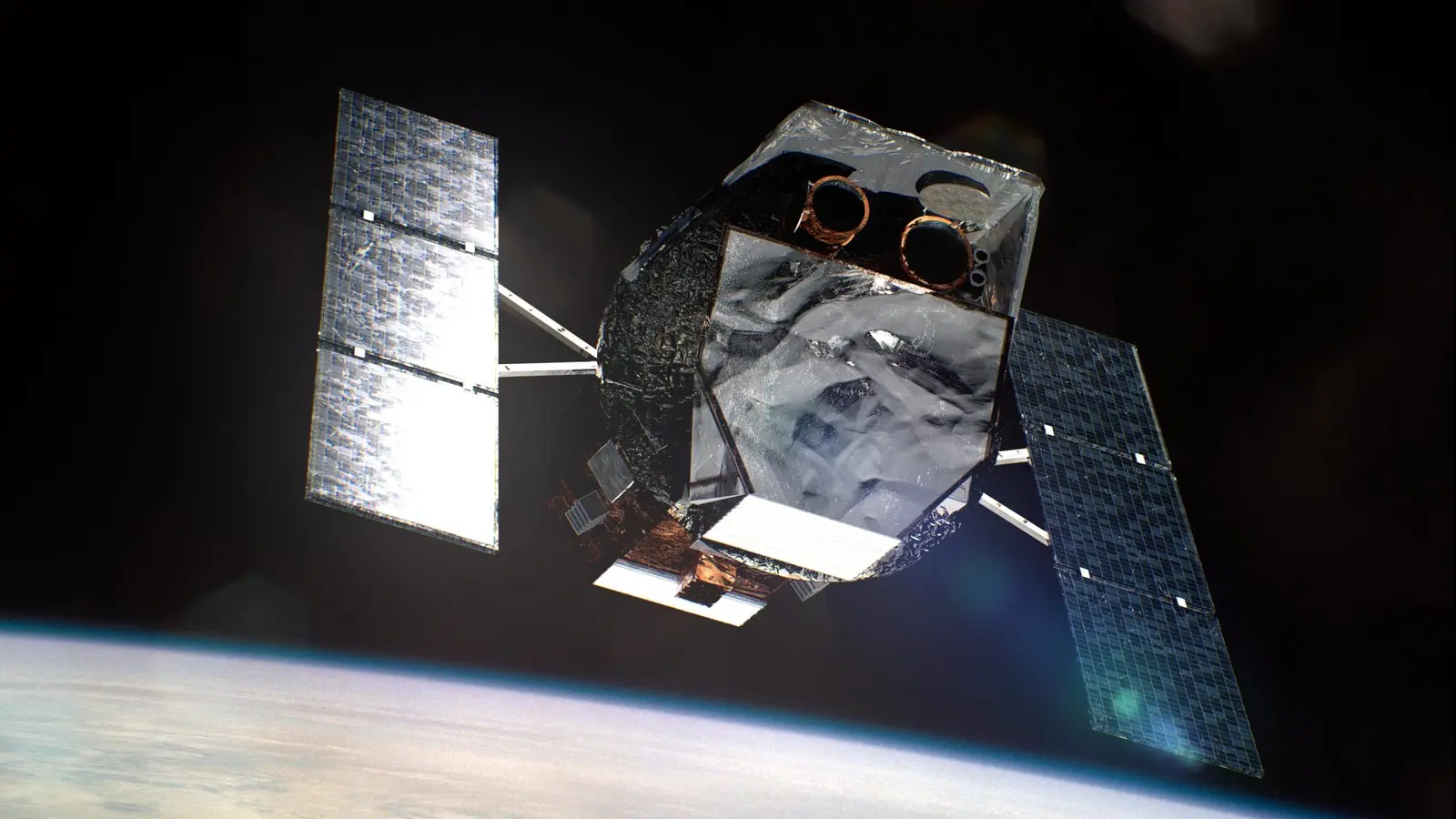
When a satellite that has been a fast responder for more than two decades starts falling, the calendar suddenly matters. The Neil Gehrels Swift Observatory is back to doing what it does best—catching fleeting bursts of light across ultraviolet, optical, and X-ray bands—but every observation now comes with an unspoken deadline: how much longer will Swift stay high enough to operate?
Swift resumes science while racing a thinning atmosphere
On August 26, operators powered up two of Swift's three primary instruments: the Ultraviolet/Optical Telescope and the X-ray Telescope. Those instruments had been put to sleep earlier in the year to reduce atmospheric drag and eke out extra months of mission life. The Burst Alert Telescope remains offline for now, a deliberate choice that reduced power demand and enabled a spacecraft attitude that minimized resistance from the upper atmosphere.
Short-lived cosmic events are Swift's speciality. It can pivot quickly, lock onto a flash, and alert observatories on the ground and in orbit so scientists can collect follow-up data across multiple wavelengths. That nimbleness is why losing Swift would be more than the loss of another instrument; it would reduce the network's ability to study fast transients, from gamma-ray bursts to abrupt X-ray flares.
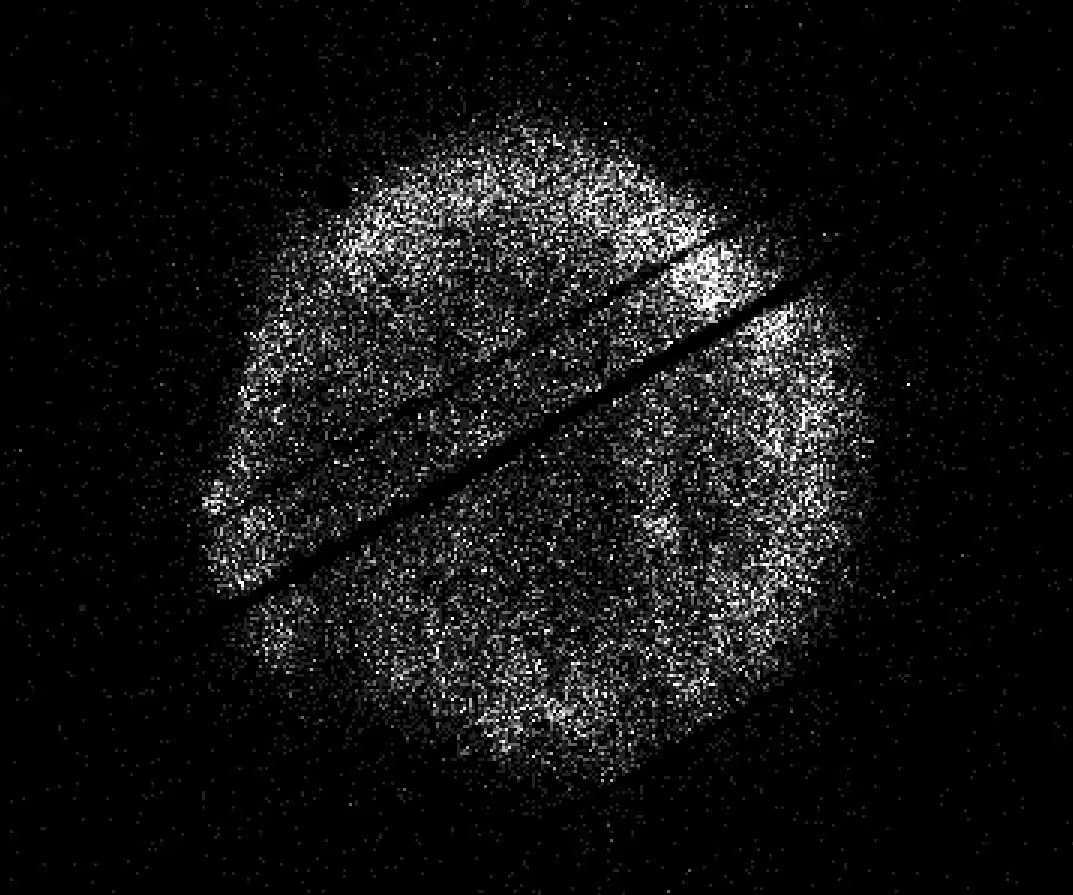
The X-ray Telescope aboard NASA’s Neil Gehrels Swift Observatory captured this image of Tycho’s supernova remnant on Wednesday, Aug. 26, 2026. The remnant lies about 13,000 light-years away in the northern constellation Cassiopeia. Each white dot represents an X-ray photon. The dark streaks across the image are artifacts of the imaging system.
Why altitude is falling and why it matters
Low Earth orbit is not empty. Even at hundreds of kilometers up, atoms and molecules from Earth's upper atmosphere produce drag on satellites. For most spacecraft, onboard thrusters compensate for this drag. Swift does not have the propulsion capability to raise its orbit, so it faces a slow, inexorable decay.
Solar activity complicates the picture. When the Sun emits more extreme ultraviolet and X-ray radiation, it heats and expands Earth's upper atmosphere. That expansion increases air density at satellite altitudes and therefore increases drag. A more active Sun can turn a gentle descent into a steeper decline. That is precisely what mission teams observed: Swift began dropping faster than projected when solar activity picked up.
There is a practical threshold for operations. Engineers use 185 miles, about 300 kilometers, as a rough lower bound. Below that, drag accelerates and pointing stability and instrument performance become harder to maintain. Prior to the aborted boost attempt, operating in a low-drag attitude had bought Swift until roughly October. With normal science operations resumed, the team now expects Swift to cross that 300-kilometer mark within about one to two months.
A rescue plan reimagined
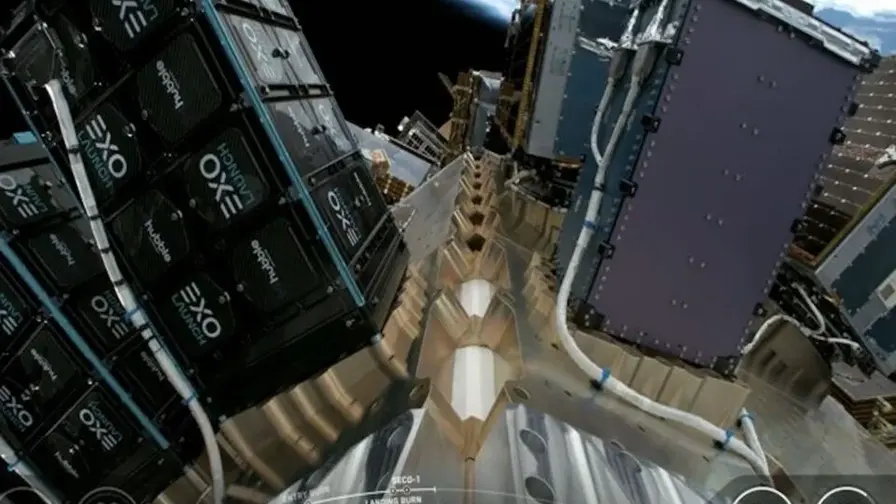
In 2025, NASA contracted Katalyst Space to attempt an unusual intervention: launch a servicing vehicle, rendezvous with Swift, capture the observatory, and lift it to a higher orbit. The servicing satellite, called LINK, launched in July on a Pegasus rocket. Problems controlling LINK's attitude in orbit forced a reassessment of the mission's primary objective.
On August 19, NASA and Katalyst announced that LINK would not attempt to grapple and boost Swift. Instead, the mission will pivot to demonstration goals. LINK will practice proximity operations and other rendezvous techniques near Swift. Those tests are not rescue in the immediate sense, but they are valuable: they exercise docking, navigation, inspection, and servicing technologies that future missions could use to repair, refuel, or reboost satellites in orbit.
This kind of on-orbit servicing is an emerging capability. The lessons from LINK will feed into design and operational playbooks for satellite life-extension, which could transform how agencies and companies manage fleets in low Earth orbit.
Operational trade-offs and scientific priorities
Deciding when to resume science is not only technical; it is strategic. Keeping instruments off and orienting the spacecraft for minimum drag extended Swift's life. But without science, the observatory does nothing for astrophysics. Bringing the ultraviolet/optical and X-ray telescopes back online restores the flow of data at the cost of accepting a larger drag profile.
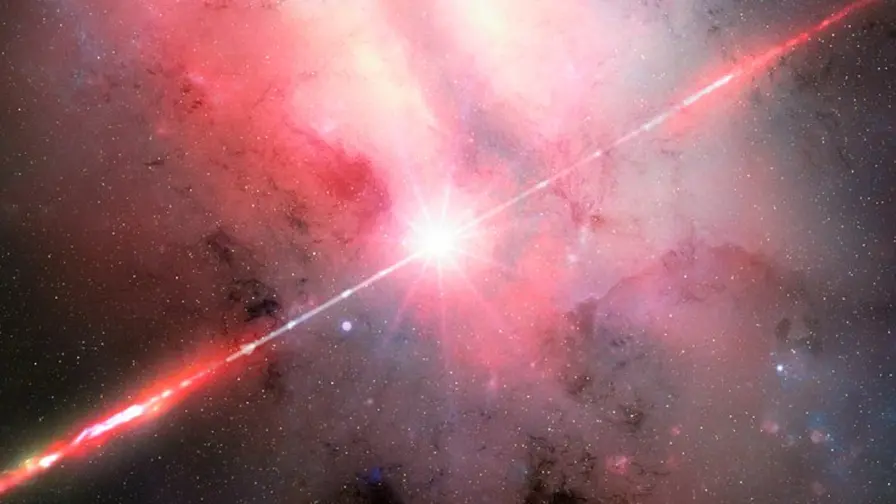
Swift's Burst Alert Telescope, which detects gamma-ray bursts and triggers rapid slews, remains offline because it consumes more power and generates thermal and attitude constraints. Engineers plan to return it to operation within weeks if telemetry and power budgets allow. Until then, Swift will continue contributing wherever its active instruments can add value: targeted follow-ups, long-term monitoring, and serving as part of the fast-transient alert network.
Expert Insight
'Swift has been an agile workhorse for over twenty years,' says Dr. Elena Morales, an astrophysicist who has used Swift data to study X-ray transients. 'The clock is ticking, but returning any part of the instrument suite to science operations buys the community opportunities that you cannot recoup once the satellite is gone. Even a few months of targeted observations can yield high-impact discoveries.'
'From an engineering standpoint,' adds Jason Lee, a mission systems engineer not affiliated with the original team, 'LINK's shift in objectives is not a failure. Testing proximity operations around an actual, functioning observatory will provide real-world data that simulators simply cannot reproduce.'
Looking forward
Swift's situation underscores two realities of modern space operations. First, even well-designed satellites face environmental risks tied to solar cycles and orbital mechanics. Second, the ability to approach and service satellites in orbit is maturing from concept to practice. Swift may not receive the dramatic boost once envisioned, but the LINK demonstrations could make future rescues possible for other assets.
For astronomers, the immediate priority is simple: use the time left. Swift still has a unique combination of rapid response and multiwavelength coverage. Observers will prioritize targets that benefit from Swift's speed and sensitive detectors. The clock will continue to run. But for now, Swift is watching the skies.
Conclusion
The Neil Gehrels Swift Observatory remains scientifically active even as its orbital life shortens. Conserving operations bought time, and an attempted external rescue mission has been repurposed into a stepping stone for on-orbit servicing technology. Whether Swift survives for months or a little longer, its remaining observations and the lessons learned from the servicing attempt will shape how we keep satellites working in the crowded environment of low Earth orbit.

“My work centers on sustainability, energy, and environmental science — examining how innovation can lead to a greener future.”

Discussion
Leave a Comment
Comments (3)
Pretty balanced take. Smart to squeeze science now, and the servicing demos could be a game changer later. Use the time wisely, every obs counts
So LINK won't actually boost Swift? Seems odd they launched for a rescue then pivot to demos... is that really the only safe option here, curious
Wow, wasn't ready for Swift's clock to feel so real… kinda sad but also exciting. Fingers crossed LINK's demos lead to proper rescues, even a few months help