
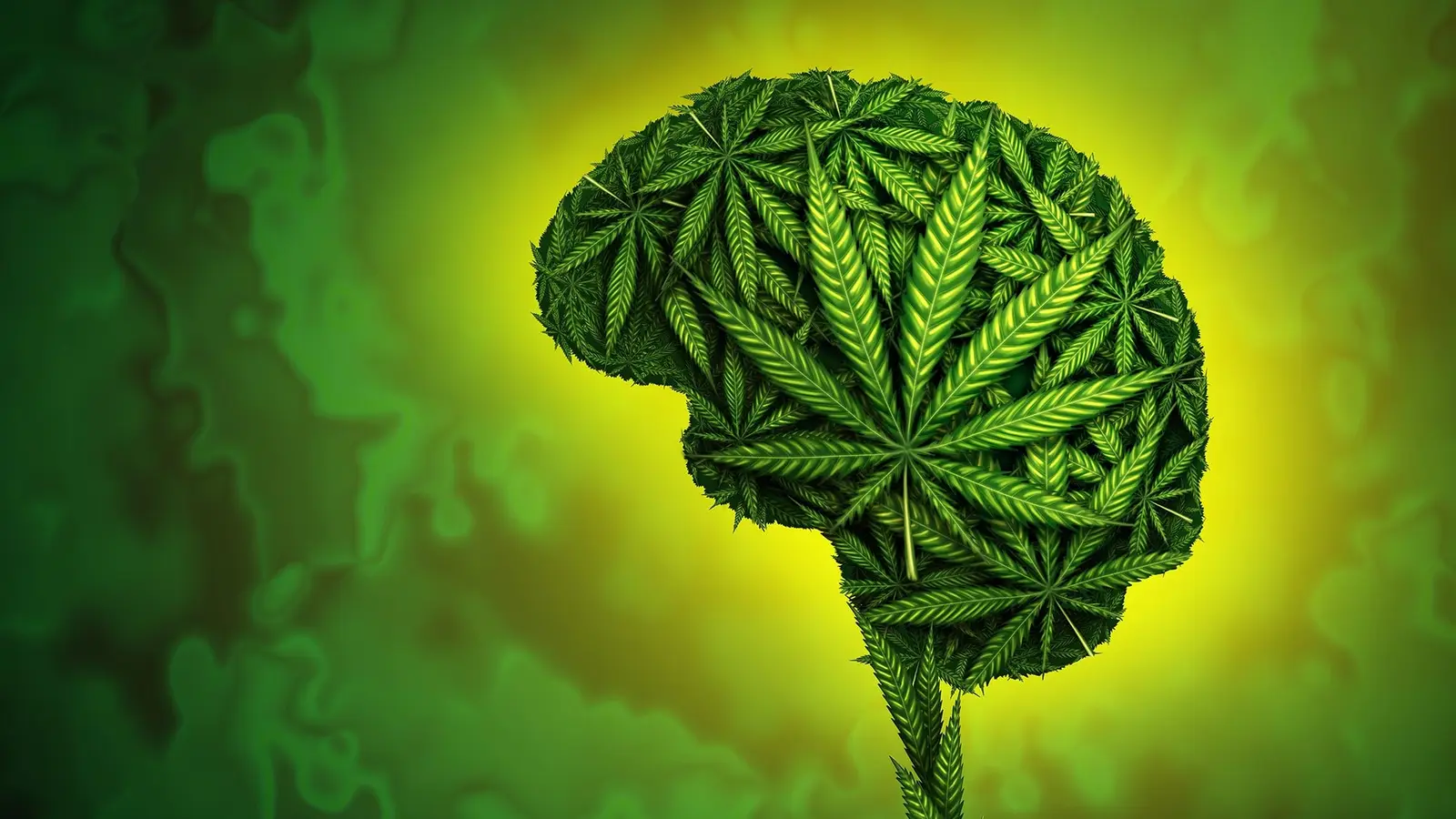
Imagine waking up already halfway through your body’s stress response. That is the unsettling image emerging from a new study: people who use cannabis frequently often start the day with more of the hormone cortisol in circulation than nonusers.
A new study found an unusual morning hormone pattern among frequent cannabis users. Researchers say it could offer clues about the connection between cannabis use and the body’s stress-regulation system.

Cannabis sativa
What the researchers measured
Scientists at Oregon State University, led by Anita Cservenka, tracked levels of cortisol around the time people woke up. Their goal was to probe the hypothalamic pituitary adrenal axis, commonly abbreviated HPA axis, which coordinates the body’s hormonal response to stress.
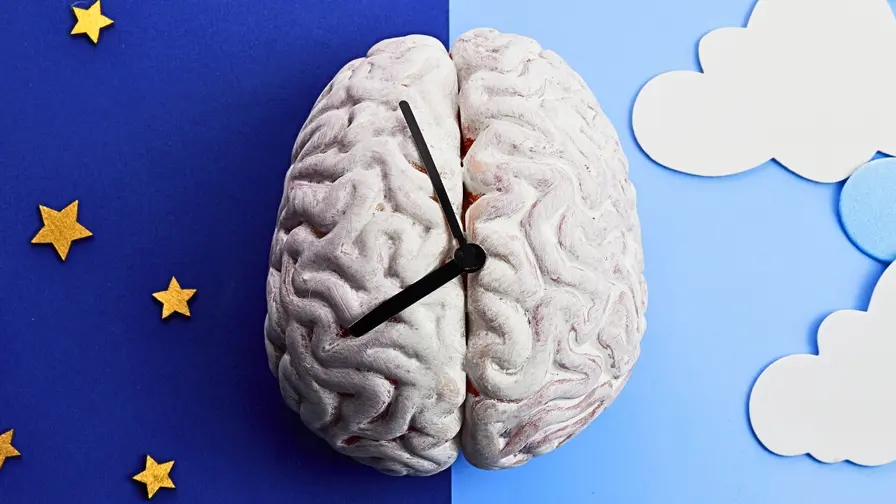
To do that they used the cortisol awakening response, or CAR. CAR is simple in concept. Take a saliva or blood sample immediately upon waking, then take another about 30 minutes later. The difference shows how the body ramps up its chemistry to meet the day.
The surprising pattern was not in how much cortisol rose after waking, but in where the curve began. Frequent cannabis users tended to have a higher baseline when they first opened their eyes. In other words, they began the day with more cortisol circulating in their system.
Why that matters
Cortisol has many jobs. It helps the immune system, supports blood pressure, and regulates energy and metabolism. It also readies the body to respond to threats. A short-lived increase is adaptive. Chronic elevation is not. Persistently high cortisol has been tied to anxiety, depression, and cardiovascular risks.
Stress is one of the main reasons people report using cannabis. Short-term relief can be real. But the OSU findings raise a key question: could frequent cannabis use eventually perturb the very hormonal circuits that help people manage stress?
"We would need to study the same groups of people over a longer period of time to understand any cause-and-effect relationship, but we think this provides an important starting point," Cservenka said. The authors published their work in the journal Cannabis and noted that earlier studies sometimes reported blunted CAR among heavy users. This study did not replicate that result, hinting at complexity driven by sample differences or analytic choices.
Context: rising cannabis use and why the HPA axis matters
Use of cannabis has climbed among young adults in the United States. Recent surveys show roughly 29 percent of people aged 19 to 30 reporting cannabis use in the previous 30 days, nearly double the rate recorded 15 years earlier. Frequent use, defined by more than 20 times in 30 days, has also risen substantially.
That demographic shift matters because the HPA axis is central to mental and physical health across the lifespan. If a behavioral trend alters baseline cortisol levels, even subtly, it could have population-level implications for mood disorders, sleep quality, metabolic function, and cardiovascular risk.
There is also the question of directionality. Do people with higher morning cortisol self-medicate with cannabis? Or does frequent cannabis use gradually nudge the HPA axis toward a new operating point? Cross-sectional data cannot resolve that. Longitudinal studies that follow users over years are needed to determine cause and effect.
Limitations and next steps
No single study provides the final answer. The OSU team cautions against overstating results. Sample characteristics, timing of samples, recent use before testing, and lifestyle factors like sleep and caffeine can all influence cortisol. The link between higher waking cortisol and problematic cannabis use is a plausible neurobiological marker, the authors say, but it requires replication and deeper exploration.
Future work should include repeated measures, controlled experimental designs when ethical and feasible, and attention to age, sex, and co-occurring substance use. Integrating cortisol studies with behavioral assessments, sleep tracking, and neuroimaging could map how stress physiology and brain systems interact with patterns of cannabis consumption.
Expert Insight
"Physiology rarely delivers simple answers," said Dr. Maya Reynolds, a neuroendocrinologist who studies stress biology. "Seeing elevated cortisol at wake in frequent cannabis users is a signal worth following. It does not mean cannabis is uniformly harmful, but it does suggest there may be tradeoffs between short-lived relief and longer-term regulation of stress systems. Carefully designed longitudinal studies would tell us whether those tradeoffs matter for mental health or cardiovascular outcomes."
Reynolds added that the cortisol awakening response is an accessible biomarker for population studies. "It gives researchers a window into daily rhythm. That window can reveal subtle shifts before clinical symptoms appear."
Conclusion
The Oregon State study opens a practical line of inquiry: frequent cannabis use appears associated with a higher starting level of cortisol upon waking. That pattern could indicate a disturbance in daily stress rhythms, but causality remains uncertain. For clinicians, policymakers, and users, the finding signals the importance of monitoring mental and physical health as cannabis use patterns change. For researchers, it points to the need for longer-term, multi-method studies that can untangle cause and effect and guide informed public health responses.

“The cosmos has always fascinated me. I write about space missions, astronomy, and the technologies pushing humanity beyond Earth.”

Discussion
Leave a Comment
Comments
No comments yet. Be the first.