
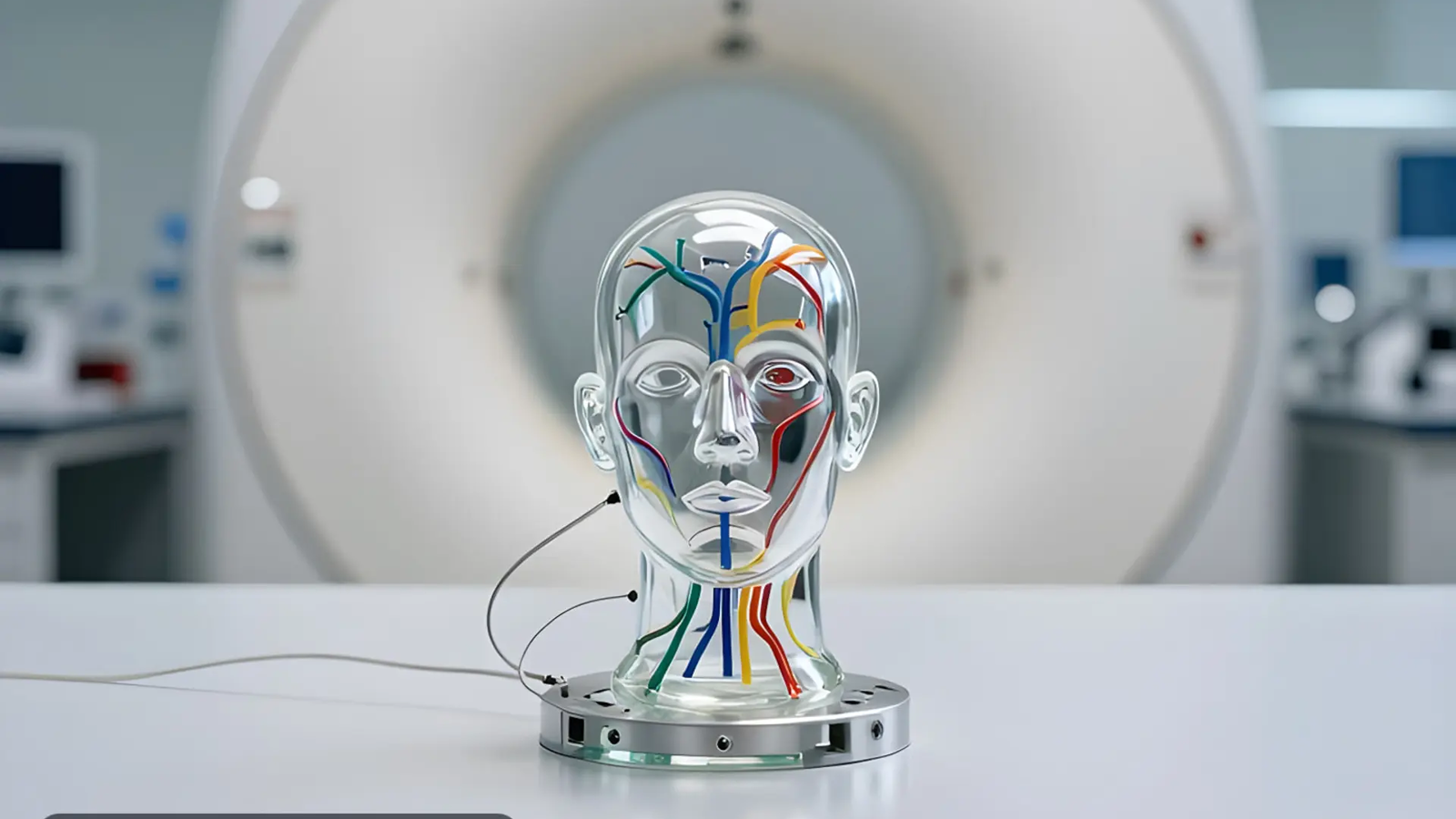
A new chapter in brain research opened quietly in a Shanghai lab: a full-stack brain-computer platform built around MRI, called uMR Shenguan, has been revealed. The system fuses data capture, decoding, modulation, and evaluation into one engineered loop. That simple description understates how different this feels from past setups.
How the system works and why it matters
Previous experiments usually bolted peripheral devices onto MRI scanners and then tried to reconcile two separate toolchains. uMR Shenguan was designed as an integrated, closed-loop architecture from the start. It can record neural activity with millisecond timing while mapping brain structure with submillimeter precision. Fast. Fine-grained. Both at once.
Hardware has been adapted to tolerate the MRI environment, reducing electromagnetic interference and preserving image quality. Advanced MRI sequences provide the spatial detail. Custom algorithms, enhanced by machine learning, handle decoding and real-time feedback. The result: simultaneous observation and intervention in one synchronized workflow.
Ming Dong, director of the Haihe Brain-Computer Interaction Laboratory, framed the advance like this: "This solution lets researchers observe and intervene at the same time. It moves brain-computer interfaces from basic signal decoding toward genuine understanding of brain dynamics, and it opens a new technological path for neuroscience." The system is a collaboration between United Imaging Healthcare in Shanghai and Tianjin University.

Where it could lead
Immediate clinical targets include motor rehabilitation and critical care for neurological and psychiatric conditions. High-resolution MRI and AI-driven analysis make precise assessment and adaptive modulation possible. Think targeted rehabilitation after stroke. Think smarter ICU monitoring. Think therapies that adjust in real time to a patient’s brain state.
Beyond medicine, researchers predict expansion into education, sports performance, gaming, and sleep enhancement. Each application will demand careful validation. Safety, ethics, and accessibility must keep pace with capability.
Xinhua reported the announcement and emphasized the platform's potential to accelerate basic and translational neuroscience. The technical leap is real. The path ahead will test how research teams translate laboratory control into responsible, effective tools for people.


“My work centers on sustainability, energy, and environmental science — examining how innovation can lead to a greener future.”

Discussion
Leave a Comment
Comments
No comments yet. Be the first.