

Imagine sleeping for 12 hours and waking as if you got no rest at all. Or watching your mood plunge with the seasons, and finding that standard antidepressants barely touch the low you feel. For a significant fraction of people with persistent depression, those symptoms point to a different culprit: the internal clock.
Researchers at the University of Sydney, drawing on clinical and genetic records from more than 10,000 Australians, describe a probable new subtype they call "circadian depression." The work, published in the British Journal of Psychiatry, suggests that disruptions to the body’s 24-hour timing system—your circadian rhythm—may explain why some people do not respond well to common antidepressants.
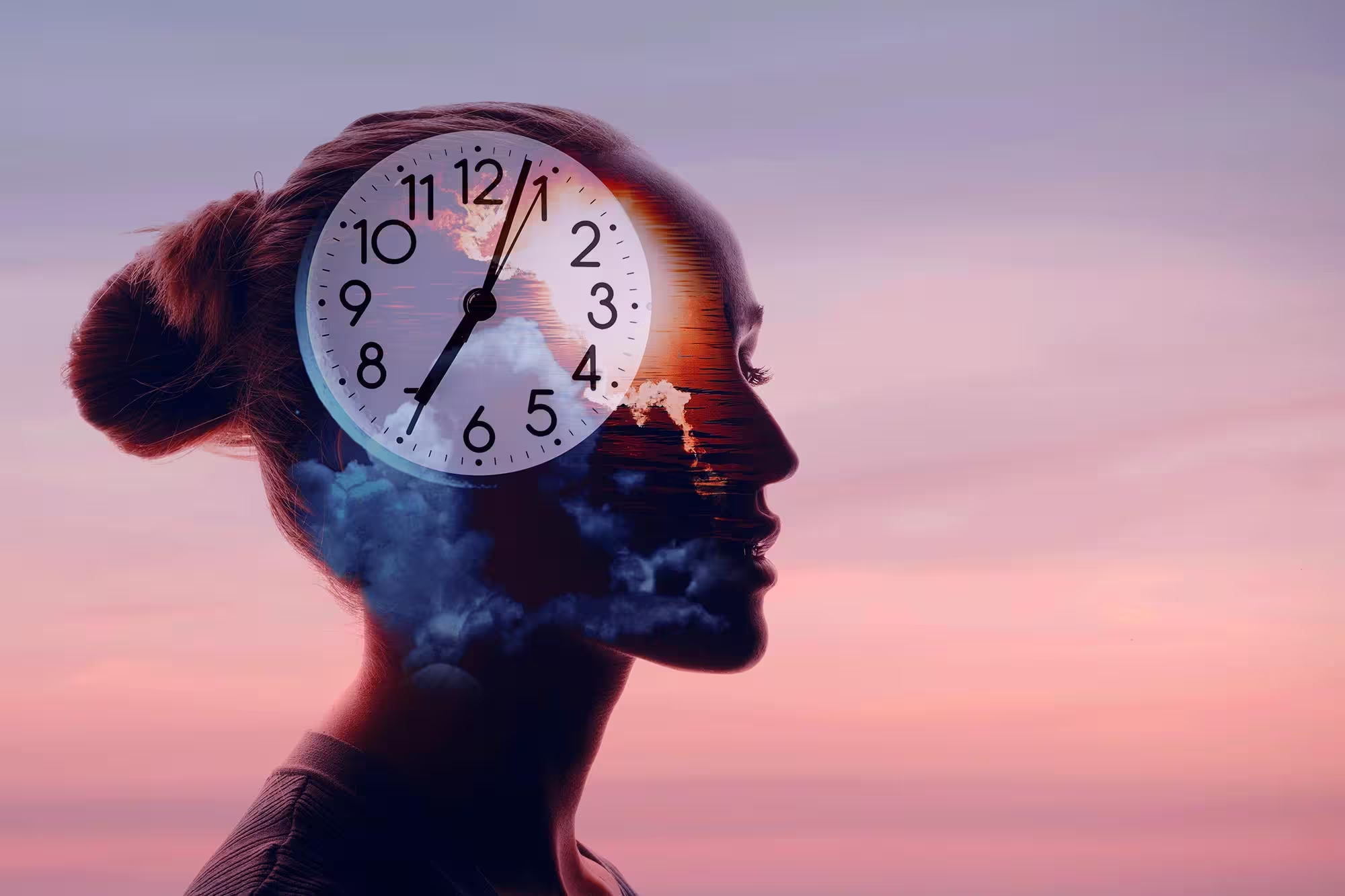
Researchers have identified a possible subtype of depression linked to disruptions in the body’s internal clock.
Signs that point to the clock
The team flagged roughly one in four participants—about 2,604 people—as falling into this circadian group. Common features included sleeping longer during depressive episodes, waking up exhausted, a tendency toward late bedtimes, and mood shifts tied to seasons. These are not minor quirks. They are patterns that implicate the brain’s timekeeping circuits: the suprachiasmatic nucleus, melatonin secretion, daily cortisol rhythms, and the cycles that regulate body temperature and alertness.
Genetics helped to clarify the picture. Individuals classified with circadian depression carried genetic signals not only linked to mood dysregulation, but also to heightened risk for inflammatory and cardiovascular conditions and for certain neurodevelopmental disorders such as ADHD. Clinically, they tended to have earlier onset of illness and more severe trajectories, including higher rates of suicidal ideation in the sample.
What does that mean for treatment? The study found that people with this presentation reported less benefit and more side effects from SSRIs and SNRIs—the drugs most often prescribed first. That pattern suggests a mismatch: medications aimed primarily at serotonin or norepinephrine circuits may miss the biological systems driving symptoms in this subgroup.
Practical shifts for clinicians and patients
There is a straightforward implication. If circadian disruption is central to somebody’s depressive episodes, then therapies that resynchronize the clock should be prioritized. Behavioral approaches—structured sleep schedules, chronotherapy, and timed exposure to bright light—can change the phase of the circadian system. On the medical side, melatonin and melatonergic antidepressants or other agents that target sleep–wake timing may offer advantages over standard first-line drugs.
Dr. Emiliana Tonini, the study's lead author, notes that recognizing circadian features early could spare many people ineffective medication trials and unnecessary side effects. Co-senior author Dr. Jacob Crouse emphasizes the same: treatments like light therapy and melatonin could be more relevant and should be considered sooner for those with the circadian profile. Professor Ian Hickie adds a clinical push: for young people especially, tailoring therapy to their biological rhythm could change the course of illness.
Short sentence. A clear takeaway. Not every depression is the same.
That said, the work does not claim that circadian disruption is the only mechanism at play. Depression remains heterogeneous. This subtype approach is a tool to guide more precise care, not a replacement for comprehensive assessment.
Expert Insight
"Think of the brain like an orchestra," says Dr. Rachel Nguyen, a fictional sleep medicine consultant with experience in mood disorders. "If the timpani are out of sync with the violins, the whole piece sounds wrong. Re-aligning the tempo—through light timing, melatonin, and behavioral routines—can restore coherence and, for some patients, dramatically improve mood."
Nguyen stresses the importance of careful evaluation: timing of symptoms, sleep diaries, and, when available, actigraphy or sleep specialists' input help determine whether circadian-focused interventions are likely to help.
Conclusion
The Sydney study reframes a familiar clinical frustration: why standard antidepressants sometimes fail. For roughly a quarter of people with severe, recurrent, or persistent depression, the answer may lie in a misaligned internal clock. Detecting that pattern opens a different therapeutic pathway—one that uses timing as medicine. For clinicians, researchers, and people living with depression, the message is practical: look at the hours and rhythms as closely as you look at mood scores.


“My work centers on sustainability, energy, and environmental science — examining how innovation can lead to a greener future.”

Discussion
Leave a Comment
Comments
No comments yet. Be the first.