
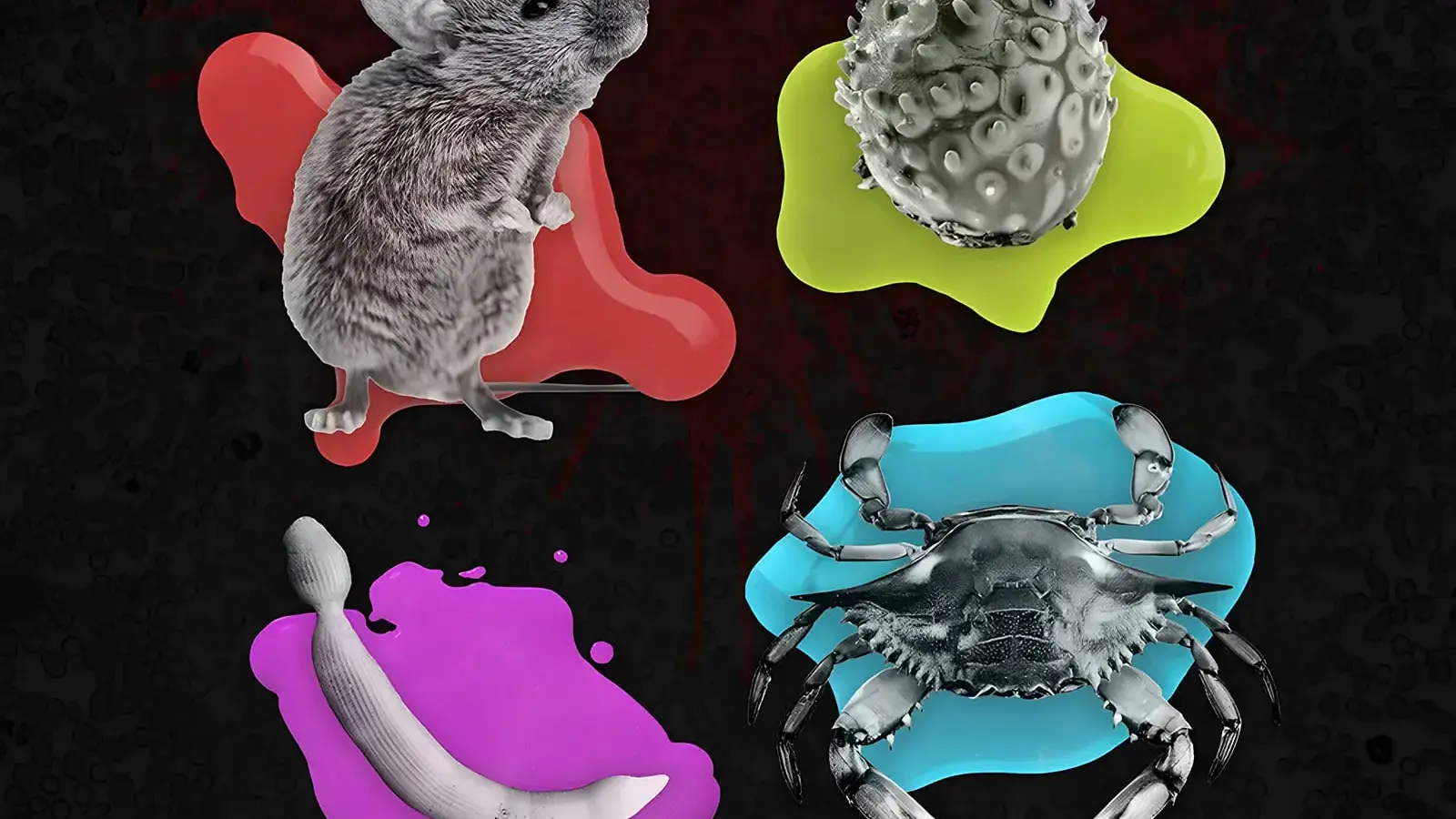
You cut your finger and expect red. That habit shapes how we imagine animal life. But nature delights in subverting expectations. Octopuses carry blue blood. Some New Guinea lizards look as if their veins were painted green. A handful of Antarctic fishes swim with nearly colorless blood that would alarm any phlebotomist.
How different chemistry paints blood
Color in blood is not poetry. It is chemistry doing its job. At the root of the palette are the molecules that move oxygen through body tissues. Most familiar to us is hemoglobin, the iron-containing protein in human red blood cells that turns bright red when oxygen binds. In low-oxygen states its hue darkens. That simple metal switch explains why our blood looks the way it does.
Other animals use different carriers. Many mollusks, cephalopods, and crustaceans deploy hemocyanin, a copper-based oxygen transporter that turns blue when oxygenated. Some marine worms and brachiopods rely on hemerythrin, an iron-bearing protein with a structure unlike hemoglobin and an oxygenated color that can read as purple. The presence of copper or iron in these molecules gives blood its color, but chemistry is not the whole story. How a protein is packaged, where it circulates, and the animal's ecology all matter.
Hemocyanin is less compact than hemoglobin. It is not carried in tiny, concentrated red cells. Instead, it circulates dissolved in the blood plasma of many invertebrates. That architecture matters. In cold, oxygen-rich waters, hemocyanin functions well enough. It carries oxygen and also contributes to immune responses and tissue repair in some species, hinting at multifunctional roles beyond transport.
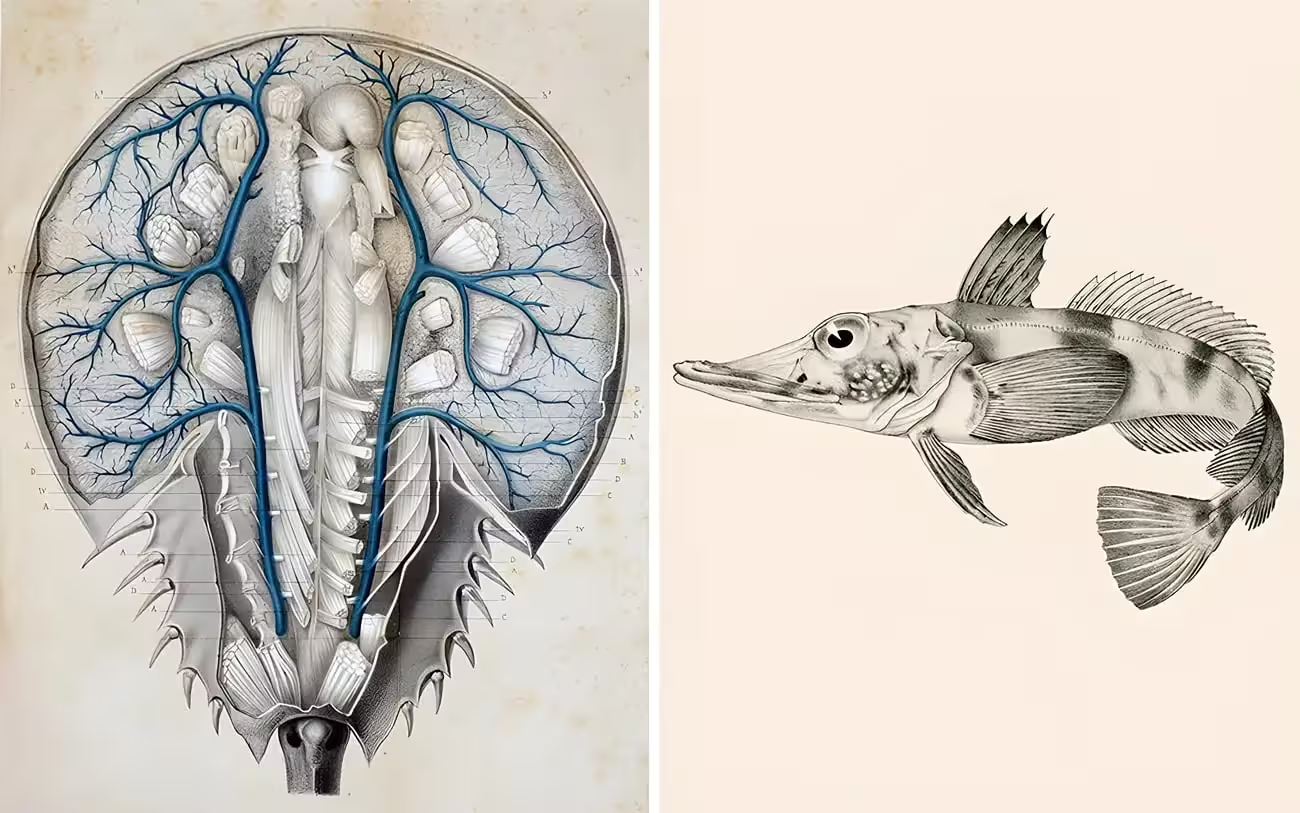
Horseshoe crabs (left) have blue blood due to copper-rich hemocyanin; Antarctic icefishes (right) use no oxygen-carrying protein and their blood appears ghostly white.
Green blood and the biliverdin surprise
Green blood sounds like an alien plot device. In New Guinea, it is a living reality. Lizards of the genus Prasinohaema accumulate massive amounts of biliverdin, a green bile pigment that forms when hemoglobin is broken down. In most vertebrates, biliverdin is quickly converted to other compounds and excreted. In these lizards, that conversion fails to proceed as usual, so biliverdin builds up in blood and tissues until it overwhelms the red of hemoglobin.
Why tolerate what would be toxic in other animals? The answer is not settled. High biliverdin concentrations can be harmful, yet these lizards seem unaffected. Some researchers propose that heavy biliverdin loads might deter parasites or pathogens. Another idea links biliverdin to camouflage or signaling in their rainforest environment. Whatever the reason, the green blood of Prasinohaema shows that the same biochemical pathway can be retooled during evolution.
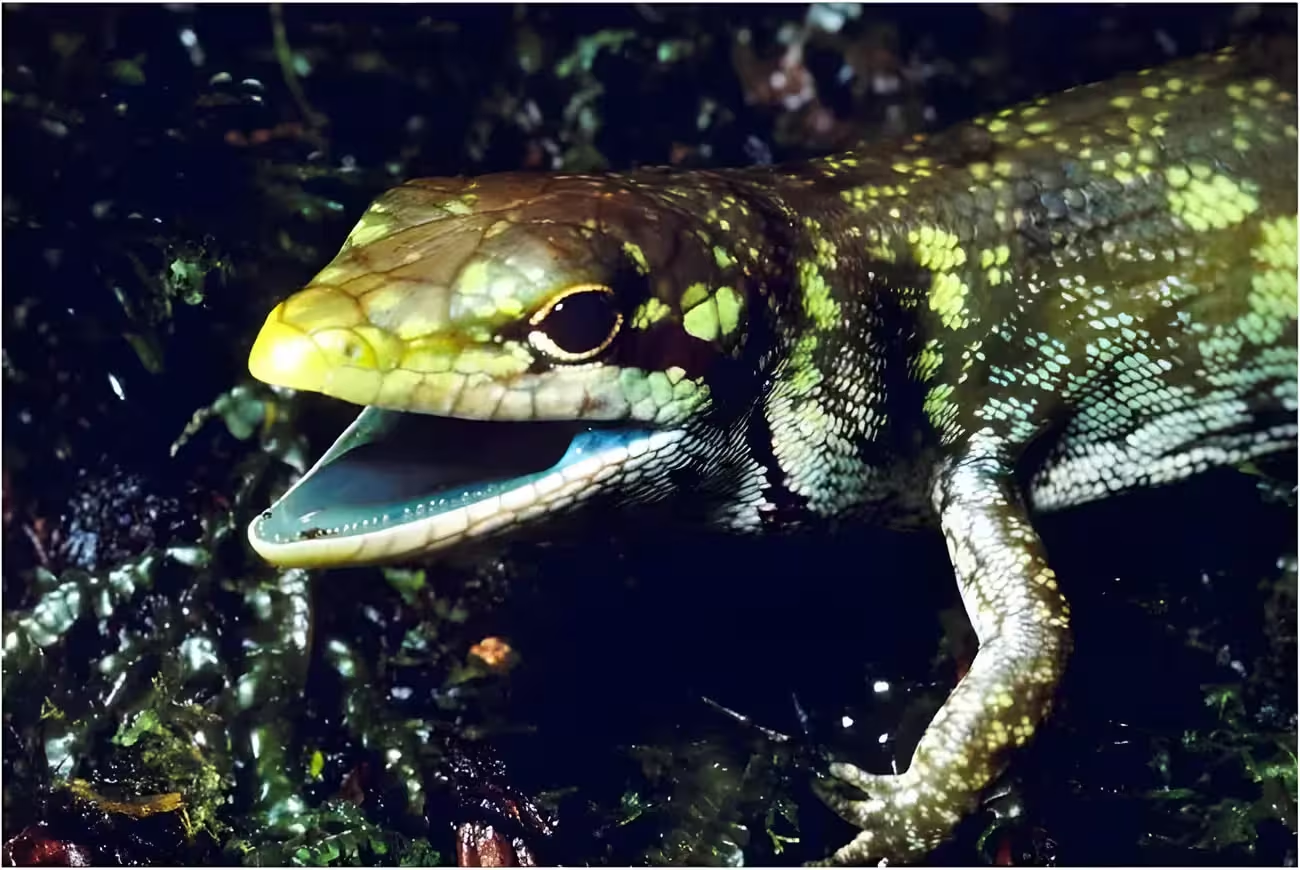
Prasinohaema lizards native to New Guinea have green blood and tissues because of a build-up of the pigment biliverdin.
Green shades appear elsewhere for different reasons. Several marine invertebrates and tunicates show yellow-green hemolymph that may arise from dietary pigments, such as carotenoids, or from accumulated metals like vanadium. Scientists are still sorting causes from correlations, and the list of candidate mechanisms keeps growing as more species are studied.
The icefish paradox: vertebrates without hemoglobin
One of biology's strangest stories belongs to the icefishes of the Southern Ocean, family Channichthyidae. These fishes lack red blood cells and do not produce hemoglobin. Their blood is nearly colorless, a milky transparency that seems to defy the vertebrate rulebook. How do they survive without the protein that moves the bulk of oxygen in almost every other vertebrate?
Their success depends on a suite of compensations. Cold Antarctic waters hold high concentrations of dissolved oxygen. Icefishes exploit that abundance by transporting oxygen directly in plasma rather than in red cells. They also tend to have large hearts and extensive capillary networks that increase blood flow. Their bodies are adapted for a low-energy lifestyle; many ambush rather than chase prey, which reduces oxygen demand.
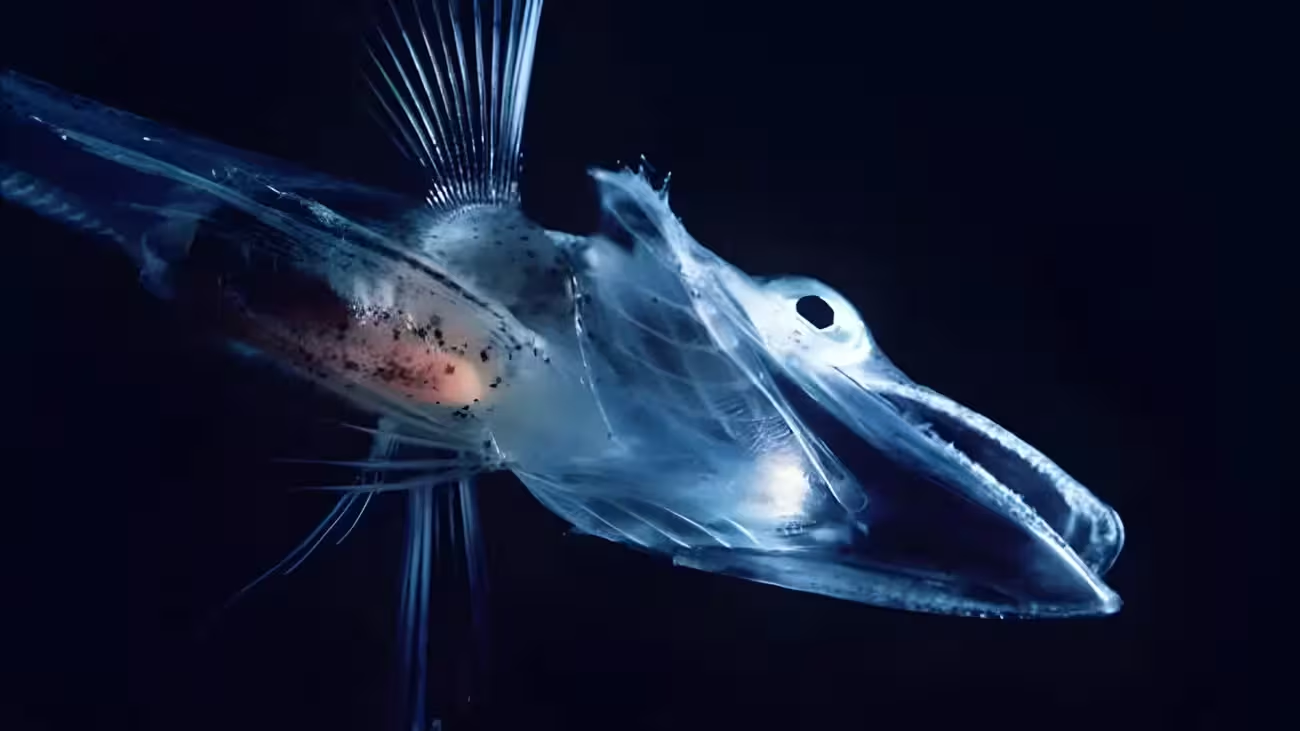
The crocodile icefish is one of the few animals with almost colorless, transparent blood. This Antarctic species lacks hemoglobin and red blood cells and carries oxygen dissolved in its blood.
Genetic work offers clues about how this arrangement evolved. Researchers comparing genomes and developmental programs suggest that the loss of hemoglobin came through a combination of mutations and relaxed selection in an environment where oxygen was plentiful at low temperatures. Whether red blood cells disappeared first or hemoglobin production failed first remains a subject of study. The icefish case shows that evolution sometimes prunes a function that is otherwise central, when ecological context makes that function less necessary.
Oxygen affinity and life at altitude
Blood differences are not limited to exotic pigments and missing proteins. Even among animals with red blood, hemoglobin can evolve to meet local needs. High-altitude dwellers offer a clear example. As air thins with elevation, the challenge is to bind scarce oxygen efficiently yet still deliver it to tissues.

Deer mice that live above 4,000 meters show hemoglobin variants with higher oxygen affinity. The result: they bind oxygen more readily in their lungs. That seems ideal. But there is a trade-off. Tighter binding can make it harder to offload oxygen where it is needed. These mice balance the trade by evolving other adjustments, such as increased mitochondrial density in muscle fibers and changes in circulation that help tissues extract oxygen.
Similar strategies appear in Andean hummingbirds and several highland frog species. Evolution tends to tinker simultaneously with multiple traits rather than solving a problem with a single mutation.
What these odd bloods teach medical science
Why should we care about blue or green blood? The answer spans curiosity to potential application. Studying hemocyanin and hemerythrin deepens our understanding of alternative oxygen carriers, which matters for designing blood substitutes or therapies tailored to low-oxygen conditions. The unusual physiology of icefishes, for instance, provides a natural experiment in coping with anemia. If an animal can circulate oxygen efficiently without hemoglobin, learning the mechanisms could inspire new clinical approaches.
Antifreeze proteins found in Antarctic fishes have practical implications too. They teach us how to stabilize cells and tissues at subzero temperatures, with potential gains for organ preservation and cryobiology. Hemocyanin's immune roles, observed in some invertebrates, are another avenue. That protein participates in wound healing and pathogen defense; understanding those functions could inform antimicrobial strategies.
Yet a cautionary note is necessary. Translating evolutionary adaptations into medical treatments is not straightforward. What works for a cold-water fish or a lizard with biliverdin may not be safe or effective in humans. Still, these species expand the set of physiological solutions we can study.
Expert Insight
Dr. Rachel Kim, comparative physiologist at the University of British Columbia, notes: "Nature runs thousands of experiments for free. Animals with nonstandard blood chemistry are living demonstrations that oxygen transport can be solved in multiple ways. We do not copy those solutions directly. Instead we borrow principles. For example, how a fish increases plasma oxygen carriage or how antifreeze proteins prevent ice crystal growth can both inspire biomedical innovations. The key is cautious translation and rigorous testing."
Conclusion
Blood color is a visible clue to a deeper story about adaptation. Across mollusks, crustaceans, worms, fishes, and reptiles, evolution has experimented with copper, iron in altered forms, bile pigments, and entire rewiring of circulatory strategy. Some changes respond to cold, others to diet, some to parasite pressure, and some to geography. The result is a spectrum of solutions to the same biological challenge: getting oxygen to cells.
Evolution solved an urgent physiological problem in many different ways, and the colors of blood record those solutions.
Studying these variants deepens our grasp of physiology and offers unexpected leads for medicine and biotechnology. It also humbles us. The red fluid that runs through our veins is familiar, but it is not universal. That simple fact is a reminder that life continually invents alternatives — and that paying attention to the odd, the green, the blue, and the translucent can expand both our knowledge and our toolset.

“The cosmos has always fascinated me. I write about space missions, astronomy, and the technologies pushing humanity beyond Earth.”

Discussion
Leave a Comment
Comments (2)
Makes sense tbh, love the icefish case, evolution's weird hacks. cool ideas for medicine, but careful tho
wow, octopus blue blood blew my mind! nature is wild, didnt expect green lizards tho. imagine medical uses, but also kinda creepy, yikes