
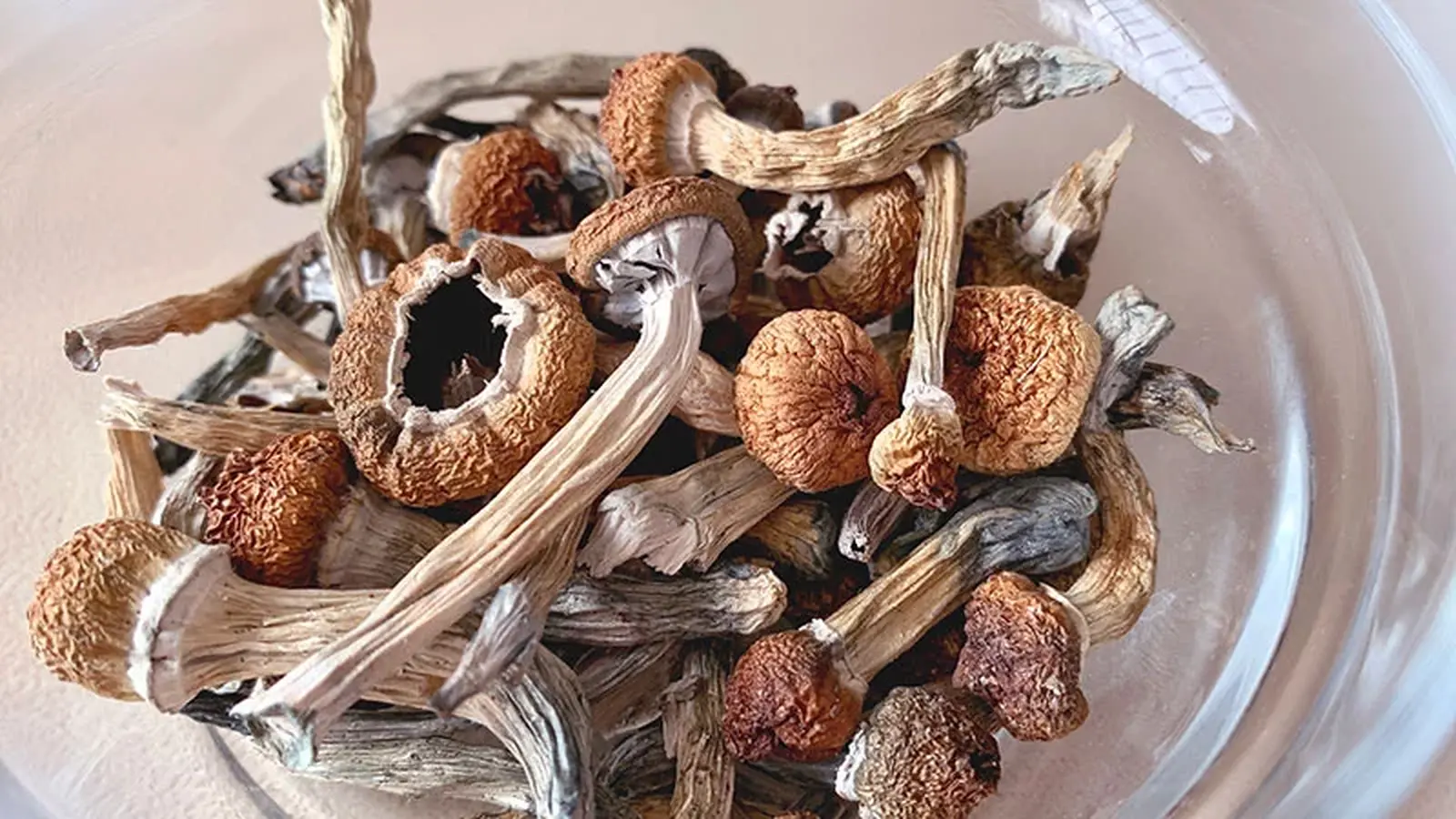
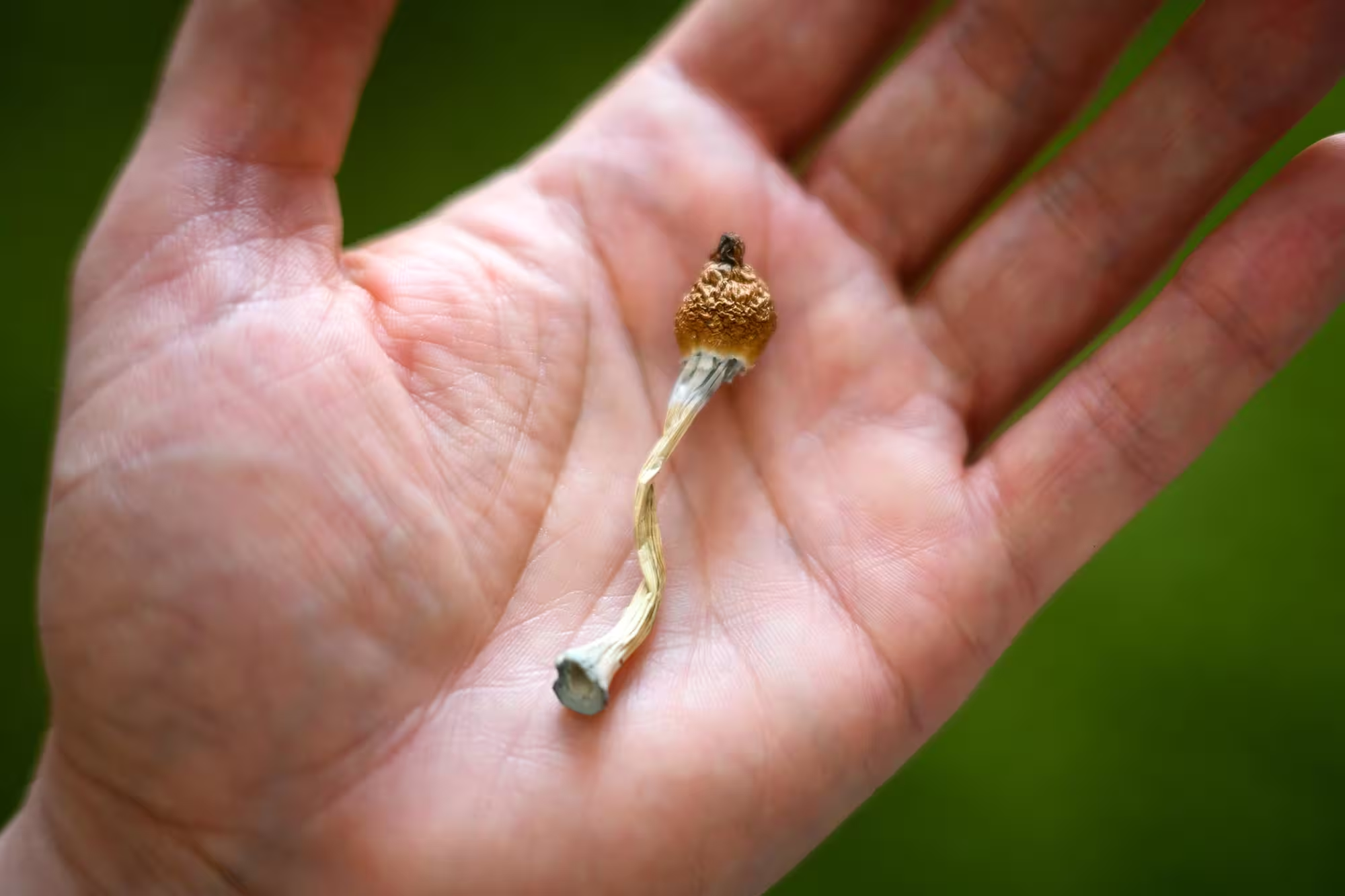
Psilocybin is a naturally occurring psychedelic compound found in certain species of mushrooms, commonly known as magic mushrooms. In the body, it is converted into psilocin, which acts on serotonin receptors in the brain, altering perception, mood, and thought processes.
The scene in the dosing room: soft music, an eye mask, two clinicians and one volunteer reclining on a couch. Sixty minutes in, the world the volunteer had carried into the clinic had shifted. Emotions felt different. Thoughts loosened. Some described an easing of a heavy, internal pressure that had been present for months or years. Could one supervised session deliver clinically meaningful relief from depression so fast?
A dose, a song, a blindfold
Researchers at Karolinska Institutet set out to test that question in Sweden’s first randomized, double-blind trial of psilocybin for recurrent, non-resistant depression. The study enrolled 35 adults, aged 20 to 65, all experiencing moderate to severe depressive symptoms. Participants were randomized to receive a single oral dose of 25 milligrams of psilocybin or an active placebo: niacin, chosen because it produces noticeable physical sensations and helps preserve blinding.
Both groups received structured psychotherapeutic support across five sessions: preparation, the dosing session with music and eye masks, and integration afterwards. The setting aimed to reduce anxiety and help participants process whatever arose during the psychedelic experience. Clinicians assessed outcomes using the Montgomery–Åsberg Depression Rating Scale, or MADRS, administered by raters unaware of which treatment each person had received.
Fast relief, but how long does it last?
The early signal was striking. By day eight, average MADRS scores dropped by 9.7 points in the psilocybin group versus 2.4 points in the placebo group. That 7.3-point gap was both statistically significant and clinically meaningful. Some participants reported feeling better as early as the second day after dosing.
At six weeks, the difference sharpened when measured as remission: 53 percent of those who received psilocybin were in remission, compared with about 6 percent in the niacin group. Self-reported measures suggested antidepressant effects that, for some people, extended beyond three months.
But the picture became more complex over time. After one year, the difference between groups was no longer statistically confirmed. While 53 percent of the psilocybin group remained in remission at that point, a notable number of participants who had received the placebo had also recovered. The trial was small, and the authors cautioned that a single session might not be a durable cure for everyone. Repeated or booster treatments could be necessary to sustain benefits, a hypothesis that larger trials must test.
What the limits reveal
Side effects were mostly mild to moderate and transient. Headache, nausea and temporary disorientation were common. Yet two individuals who received psilocybin developed severe, persistent anxiety that required medical attention. Those cases are a reminder: psychedelic-assisted therapy is not without risk and requires skilled clinical oversight.
Blinding posed another challenge. Psychedelics have pronounced subjective effects, and almost all participants guessed which treatment they received. That awareness can shape expectations and amplify perceived benefit, making it harder to isolate the drug’s direct pharmacological effect. As Hampus Yngwe, the study’s lead author, noted, “We want to understand how factors such as treatment expectations and lack of blinding affect the results, as previous studies may have exaggerated the treatment effects.”
Peeling back the biology
Beyond clinical scores, the team collected biological samples and brain images to probe mechanisms. They will analyze PET scans alongside blood and cerebrospinal fluid samples taken before and after treatment to look for markers of neural change. One focus is synaptic density, a measure of how many connections exist between nerve cells. Depression has been linked to disrupted communication between brain regions and to reduced synaptic health in preclinical studies. Animal research suggests that psychedelics can stimulate synaptogenesis, the growth of synaptic connections. Whether such changes occur in people after a therapeutic dose is unknown, but the trial’s imaging and biomarker work aims to shed light.
“Our results suggest that psilocybin can provide rapid, clinically meaningful improvement in depression and may serve as an alternative to standard treatment when fast symptom reduction is important,” said Hampus Yngwe, framing the potential in practical terms while underlining the need for caution and further study.
At the same time, Johan Lundberg emphasized safety: “It is important to emphasize that the treatment is not risk-free and that some patients may need extra support.” Those words reflect a necessary balance: enthusiasm for promising outcomes tempered by clinical prudence.
Expert Insight
Dr. Emily Carter, a clinical neuroscientist not involved in the study, commented on the trial’s implications. "A single, supervised psilocybin session showing rapid symptom reduction is exciting because it changes how we think about the time course of antidepressant effects. Traditional antidepressants often take weeks to work. Even so, we must run larger, multi-center trials that control for expectancy, measure biological changes rigorously, and define which patients are most likely to benefit."
Her point highlights a central tension: speed of effect versus durability and safety. The therapy model around psychedelics is resource intensive. Sessions require trained staff, controlled settings, and post-session integration. Scalability will hinge on clarifying who benefits most and how often treatments should be repeated.
Conclusion
This small randomized trial from Sweden adds to an emerging body of evidence that psilocybin, when delivered in a therapeutic context, can produce rapid antidepressant effects for some people with recurrent depression. The findings are promising but preliminary. Important questions remain about long-term outcomes, optimal dosing intervals, the role of psychotherapy, and biological mechanisms such as synaptic remodeling. Until larger studies answer those questions, psilocybin should be regarded as an experimental option that may one day reshape approaches to depression, provided it is administered with careful screening, clinical expertise, and robust monitoring.

“My work centers on sustainability, energy, and environmental science — examining how innovation can lead to a greener future.”

Discussion
Leave a Comment
Comments
No comments yet. Be the first.