
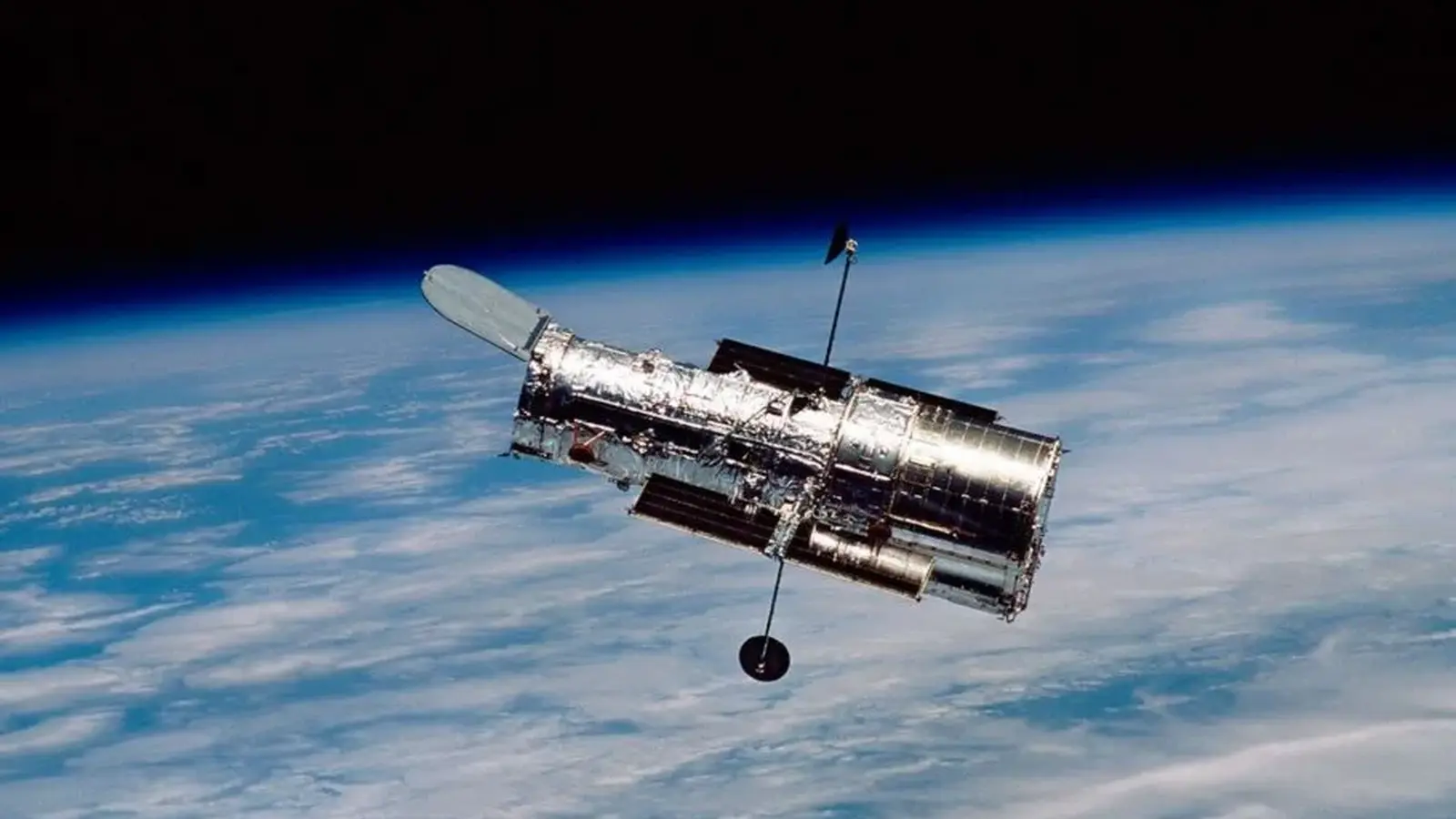
Hubble has been orbiting Earth for more than three decades, collecting images that reshaped our view of the cosmos. Now the venerable observatory faces a slow, inexorable descent toward the atmosphere, and NASA has turned to the commercial space sector for possible rescues. It is a practical gamble: extend Hubble's scientific life or shepherd it safely out of orbit.
A limited window for action
NASA issued a call for proposals from private companies, asking industry teams to outline how they could extend Hubble's service life, perform upgrades, or remove the telescope in a controlled way at the end of its mission. The solicitation remains open until 3 p.m. on 30 November Eastern Time.
Why the rush? Hubble orbits in low Earth orbit, where traces of atmosphere still exert drag and slowly bleed away orbital energy. Unlike many satellites, Hubble does not have an independent propulsion system capable of raising its altitude. According to NASA analyses, the telescope is likely to reenter the atmosphere sometime around 2033 to 2034 unless action is taken. That timeline implies any boosting mission should be completed by 2032 at the latest.
Three possible paths private teams could pursue
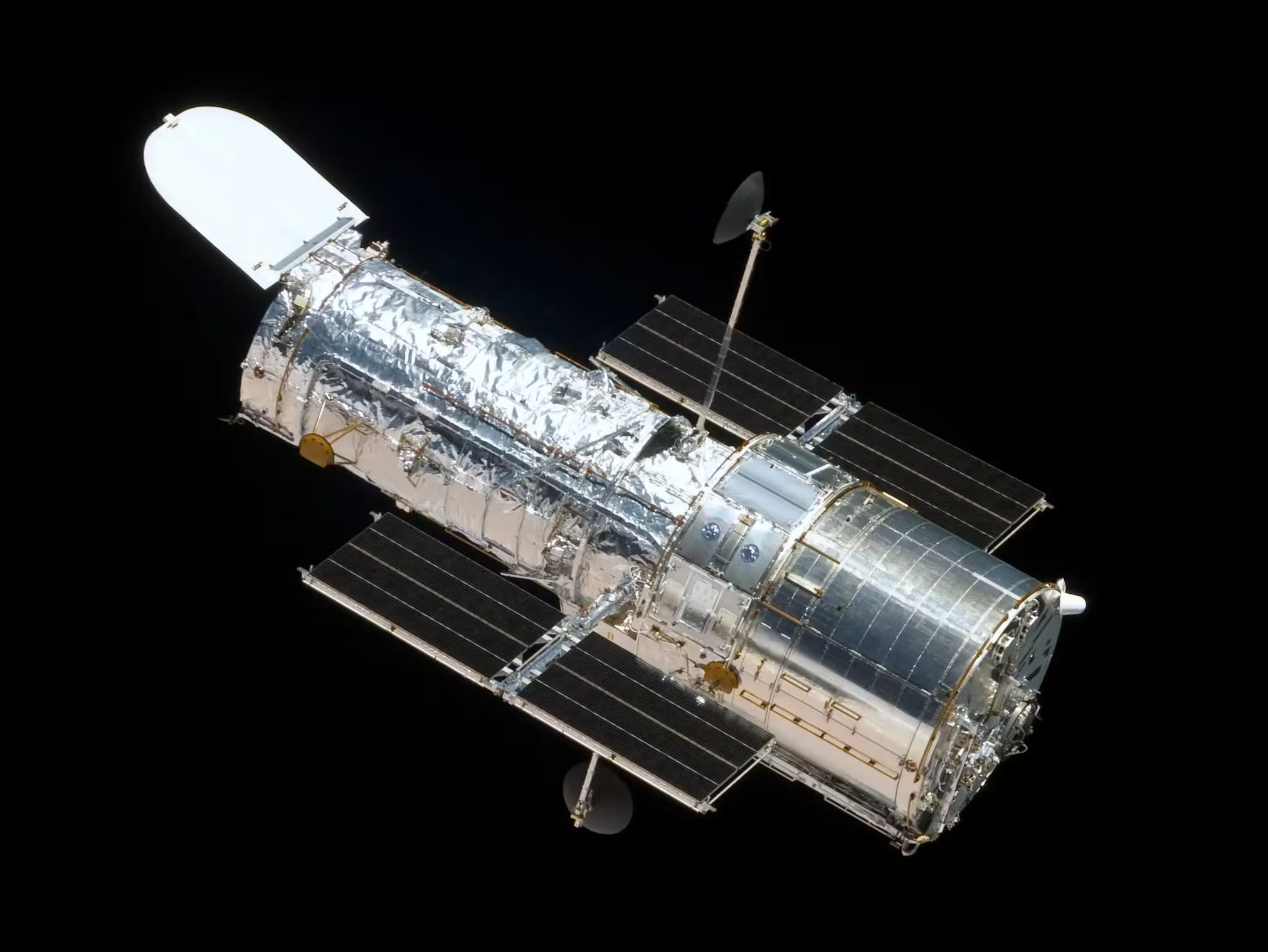
NASA outlined three broad mission types for commercial partners. First, a boost to a higher, more stable orbit that would prolong Hubble's scientific productivity. Second, on-orbit servicing to repair or upgrade instruments, potentially enhancing capability and extending useful life. Third, a controlled deorbit or safe disposal maneuver to avoid an uncontrolled reentry and minimize risk to people and property on the ground.
Each option carries technical and regulatory hurdles. A rendezvous and attach operation in Hubble's crowded orbit demands precise navigation and trusted robotic interfaces. Upgrading instruments would require delicate handling of decades-old hardware. Controlled removal necessitates reliable deorbit propulsion and strict reentry planning to protect populated areas.
How feasible are these ideas? Past experience helps. Human-led servicing missions to Hubble, flown by the Space Shuttle over several decades, proved that complex repairs and upgrades are possible and scientifically rewarding. Those missions are now history. The emerging commercial sector offers robotics, tug vehicles, and in-orbit servicing concepts that were scarcely imagined when Hubble was launched.
A NASA official commented that Hubble still has valuable science to deliver and that the agency intends to evaluate all reasonable options to preserve and extend that output. The telescope, a joint project between NASA and ESA, continues to produce discoveries decades after launch.
Conclusion
This solicitation is a test of capability and imagination. Private firms will need to demonstrate technical readiness, safety planning, and cost realism. The payoff could be substantial: more years of Hubble observations, upgraded instruments, or a carefully managed retirement that leaves no surprises for the ground below. Time is the real constraint. The clock is already ticking.

“The cosmos has always fascinated me. I write about space missions, astronomy, and the technologies pushing humanity beyond Earth.”

Discussion
Leave a Comment
Comments (1)
wow, Hubble still tugging at the heartstrings. hope they actually can boost it or at least retire it safely. risky, but imagine a few more decades of pics...