
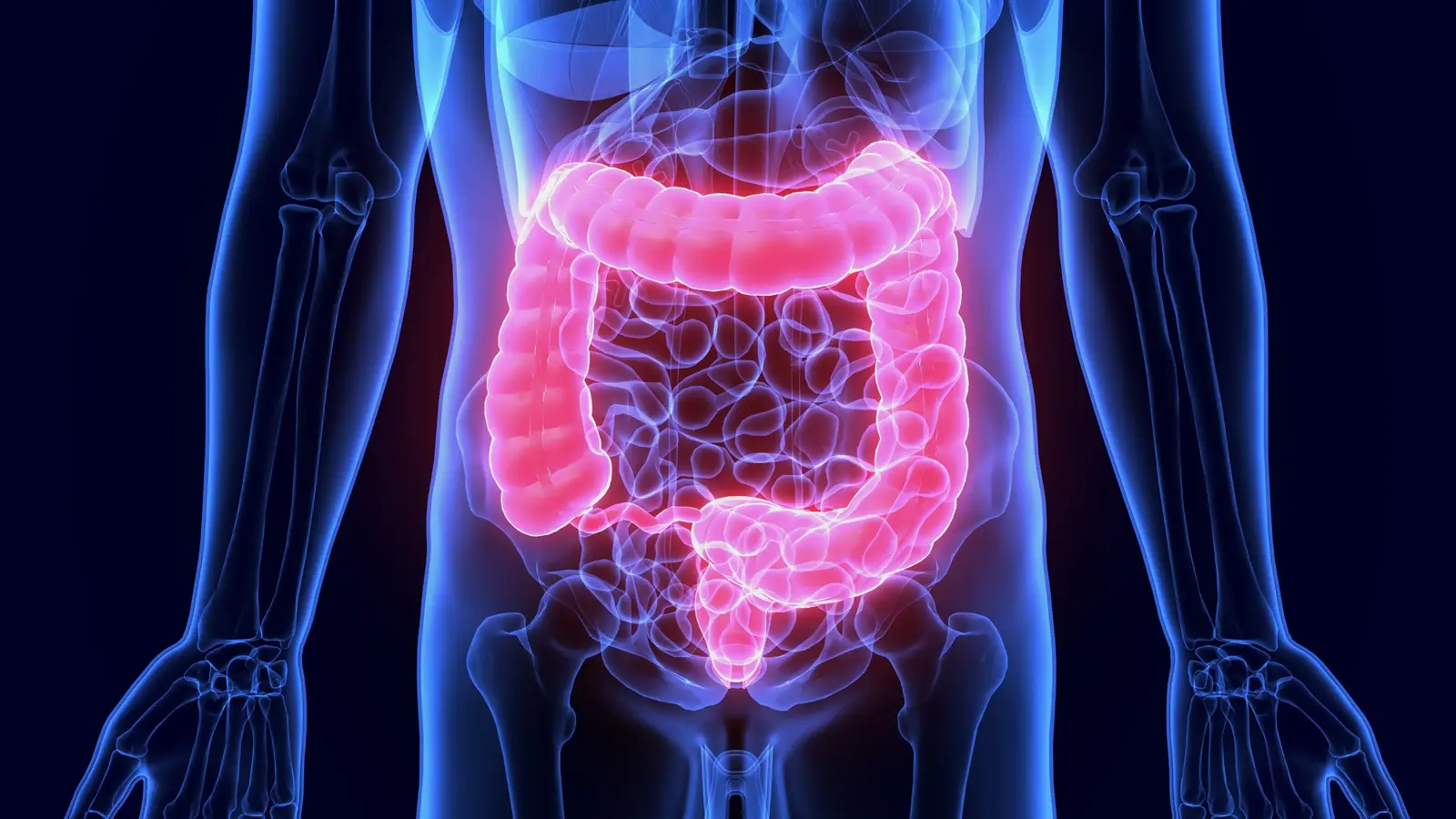
Think colon cancer is an old person’s disease? Think again. Over the past two decades the pattern of who gets colorectal cancer has shifted dramatically, with almost half of new cases now occurring in Americans under 65. That change is quiet, steady, and alarming.

Colorectal cancer is increasingly affecting younger adults, marking a major change in the disease’s long-term pattern, according to a recent report from the American Cancer Society.
What the numbers reveal and why they matter
The American Cancer Society estimates 158,850 new colorectal cancer cases and 55,230 deaths in the United States for 2026. Those raw totals are sobering, but the trend beneath them is what should make clinicians and public health officials sit up. In the mid 1990s, roughly 27 percent of new colorectal cancers were diagnosed in people under 65. Today that share is about 45 percent. That is not a minor shift. It is a generational rebalancing of disease burden.
Rates continue to decline among older adults, while climbing among people younger than 65. The rise is most pronounced in those under 50, with incidence increasing by roughly 3 percent per year for ages 20 to 49 and a smaller annual rise among those 50 to 64. Put simply, the decades-long successes against colorectal cancer have not benefited all age groups equally.
Where are these cancers appearing? Largely in the distal colon and the rectum. Rectal cancer now accounts for about 32 percent of colorectal diagnoses, up from roughly 27 percent in the mid 2000s. That anatomic detail matters because rectal tumors often produce different symptoms, follow different care pathways, and in some cases may signal distinct biological drivers.
Risk drivers, screening gaps, and unequal burdens
Many causes are suspected, but modifiable risk factors play a major role. More than half of colorectal cancers are linked to behaviors and conditions people can change, including tobacco use, unhealthy diets, heavy alcohol consumption, limited physical activity, and excess body weight. That does not mean every case is preventable, but it does indicate where prevention efforts can concentrate.
Screening remains one of the most powerful tools to prevent colorectal cancer and catch it early when treatment is most effective. Half of cases in people younger than 50 occur among those aged 45 to 49, a group now eligible for routine screening. Yet only 37 percent of 45 to 49 year olds are up to date with screening, according to ACS data. The consequence is painful and simple to state. Among adults under 50, three out of four colorectal cancers are discovered at an advanced stage. When disease is localized, five-year survival is about 95 percent. When it has spread, outcomes are far worse.
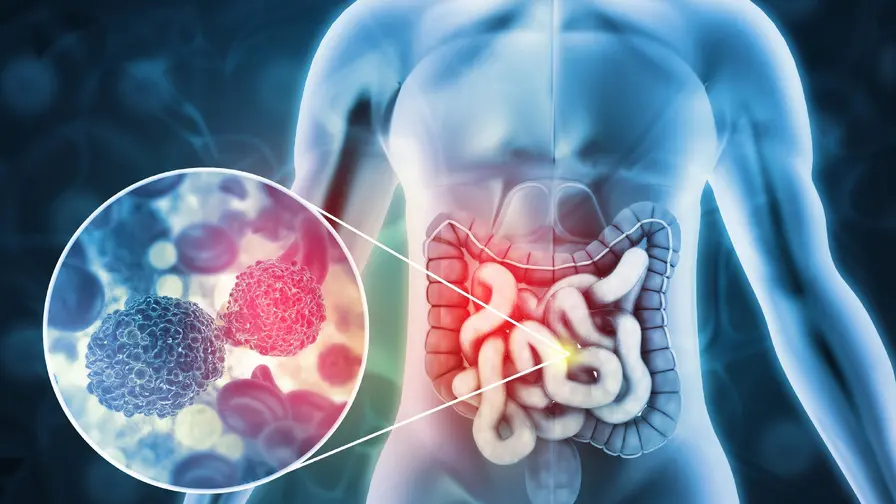
The report also highlights stark disparities. Alaska Native people face the highest incidence and mortality rates in the nation, with an incidence of approximately 80.9 per 100,000 and mortality near 31.5 per 100,000. Those figures are more than double the rates for White Americans. American Indian populations carry the second-highest burden. Addressing these gaps will require culturally tailored screening programs, better access to care, and research focused on drivers specific to these communities.
Death rates tell a split story. For adults younger than 50, mortality has risen about 1 percent per year since 2004. The same 1 percent per year increase is seen among people aged 50 to 64 starting in 2019. In contrast, adults 65 and older experienced more than 2 percent annual declines in both incidence and mortality, underscoring how progress has been concentrated in older generations.
Strategies to turn the tide
What can be done? A layered approach. First, expand and normalize screening beginning at age 45 for average-risk adults. Screening prevents cancer by removing precancerous polyps and can detect early-stage disease. Second, improve public awareness. Many younger adults and even clinicians may dismiss symptoms like persistent rectal bleeding, change in bowel habits, or unexplained weight loss as benign. Ask the question early. Act quickly.
Third, invest in research that explores why younger people are increasingly affected. Is diet alone to blame? Are environmental exposures playing a larger role than previously thought? Could shifts in the gut microbiome be changing risk profiles? We do not have full answers yet, and that uncertainty argues for renewed funding and cross-disciplinary studies.
Expert Insight
"The data are unmistakable," said Rebecca Siegel, senior scientific director of surveillance research at the American Cancer Society, in a statement accompanying the report. "We are seeing an uptick in risk for younger men and women, and this points to exposures or behaviors that have changed over recent generations."
To add a clinician's viewpoint, Dr William Dahut, chief scientific officer at the American Cancer Society, emphasizes prevention and access. He notes that screening can both prevent and detect disease early, but only if eligible people complete the tests. Low uptake among 45 to 49 year olds is a missed public health opportunity.
Fictional but realistic commentary also helps translate implications for patients. Dr. Maya Everett, a gastroenterologist with two decades of clinical practice, says, "I am seeing more patients in their forties with rectal bleeding and weight loss. Too often symptoms are minimized or attributed to hemorrhoids without proper evaluation. Early colonoscopy changes the trajectory for many of these individuals."
Conclusion
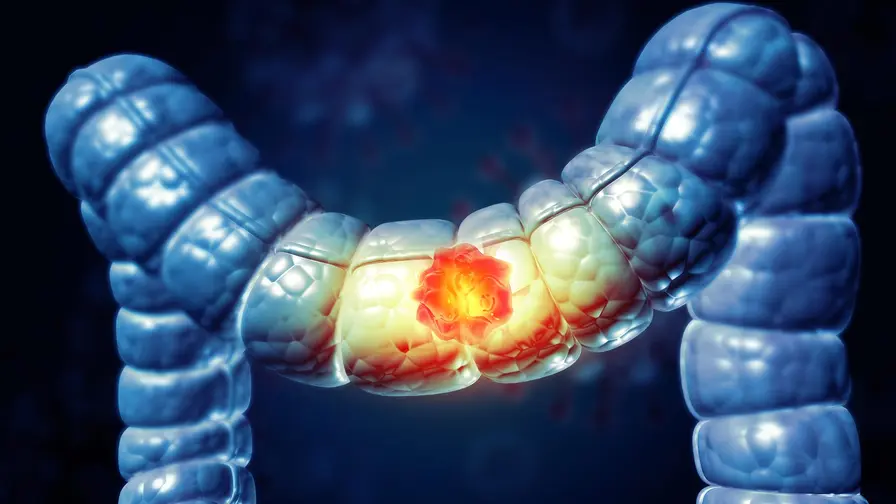
The rise of colorectal cancer in younger adults is a complex problem with clear solutions waiting to be scaled: broaden screening, strengthen prevention campaigns, reduce barriers to care, and fund targeted research. Policymakers, healthcare systems, and communities must act in concert. For individuals, the message is direct: know the symptoms, follow screening recommendations when eligible, and discuss family history and risk factors with your healthcare provider. The data give us a choice. We can respond and avert many deaths, or we can watch a preventable burden shift further into younger generations.

“My work centers on sustainability, energy, and environmental science — examining how innovation can lead to a greener future.”

Discussion
Leave a Comment
Comments (3)
My sister was 48 and got diagnosed after being told it was hemorrhoids. If you have bleeding, push for a colonoscopy. Dont wait, seriously
Is this rise real or partly just better detection? Seems like screening uptick should lower not raise rates… also curious about diet vs environment, research please
Wow, didn’t expect this. Colon cancer in 20s-40s?? That’s terrifying. We need better awareness, screenings, fast. People shrug it off too often