
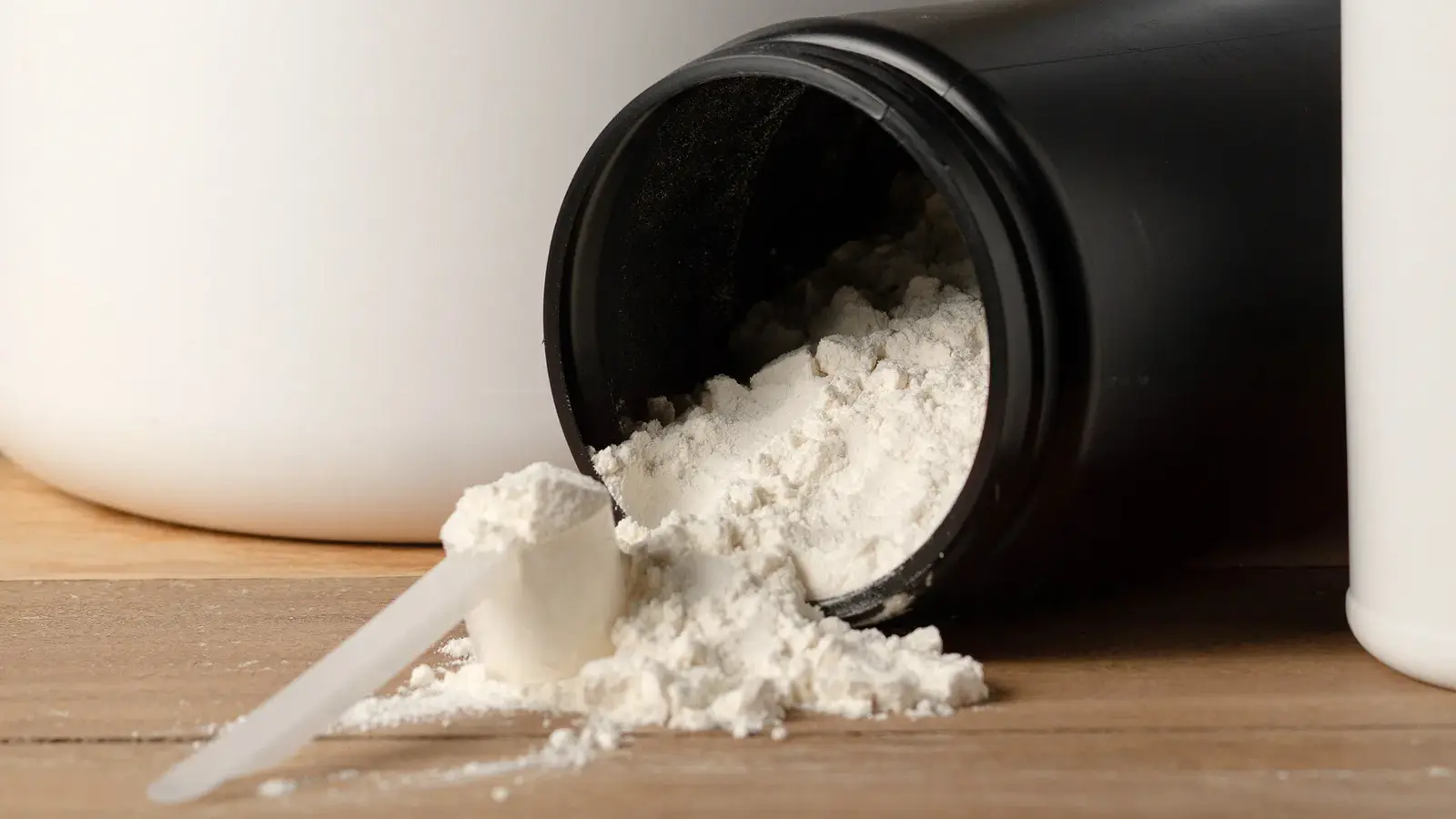
Picture the familiar tub of powdered creatine on a gym shelf. For decades it has promised stronger lifts and faster recovery. Now clinical researchers are asking whether the same molecule that fuels muscle could also nudge mood upward.
Small clinical trials, inconsistent signals
Scientists from the University of Ottawa recently sifted through the available randomized controlled trials to see whether creatine supplementation can ease depressive symptoms. They did not run a new experiment. Instead they reviewed six reports that together described five randomized, double blind trials carried out across South Korea, the United States, Brazil, Israel and India.
The pooled sample at the start included 238 people. One hundred twenty six participants received creatine and 112 a placebo. Average age was about 36 and most participants were women. Two trials enrolled only women. Four trials focused on major depressive disorder and one examined depressive episodes in bipolar disorder. Because each trial used different designs, durations and outcome measures, the reviewers treated each study on its own rather than combining results into a single meta analysis.
The outcomes were mixed. Two trials produced reasonably large, clinically meaningful benefits. Both of those positive signals came from studies in women with major depressive disorder. In one trial, adding five grams of creatine daily to the antidepressant escitalopram produced a larger drop in depression scores after eight weeks than escitalopram plus placebo. The effect size reported in that study was substantial and remission rates were higher among those who took creatine. Another trial paired creatine with cognitive behavioral therapy and again found greater symptom improvement compared with therapy plus placebo.

But three other trials found no clear advantage. One investigated creatine in people whose depression had been resistant to medication, testing both five and ten gram daily doses without benefit. A study in adolescent girls reported no meaningful change in mood with several dosing regimens. And a trial that enrolled people with bipolar disorder in depressive phases likewise failed to show improvement.
Safety signals were limited but notable. Two participants with bipolar disorder who received creatine developed hypomania or mania, suggesting a risk that requires careful consideration in mood disorders with bipolar spectrum features. Otherwise adverse events were typically mild, mostly gastrointestinal complaints.
How might a sports supplement influence mood?
That question drives much of the scientific curiosity. Creatine participates in cellular energy buffering through the creatine kinase system, helping cells regenerate adenosine triphosphate, or ATP, the molecule that powers biochemical work. The brain is an energy-hungry organ. If cellular energy handling is perturbed, neural circuits that regulate mood may be vulnerable.
Several lines of evidence make the idea plausible. Studies using magnetic resonance spectroscopy have documented altered creatine metabolism in some people with mood disorders. Animal experiments suggest creatine can influence neurotransmitter systems, including dopamine and serotonin, both of which are central to current antidepressant strategies. Sex differences observed in rodent studies hint at why trials dominated by female participants might show stronger signals.

Still, association is not causation. Finding lower or altered brain creatine in people with depression does not prove that giving creatine will reliably relieve symptoms. Depression emerges from a tangled web of genetics, environment, inflammation, endocrine changes and neural circuitry. Creatine could be one small lever, or it could be irrelevant in most clinical settings.
Where the evidence must improve
The reviewers emphasize that the available trials were small, short and heterogeneous. Most lasted eight weeks. Sample sizes were underpowered to detect modest but clinically relevant effects. Study quality varied: two trials had low risk of bias while three raised concerns about randomization procedures and handling of missing data. Women were overrepresented, so generalizing findings to men is premature.
To move from intriguing hypothesis to clinical guidance researchers want larger, longer trials that include diverse populations and standardized outcome measures. Key questions include whether creatine is effective as an add on to standard antidepressants or psychotherapy, whether exercise or diet modifies its effects, and whether different doses or loading regimens change outcomes. Measuring brain creatine with spectroscopy during trials would help link symptom changes to biological mechanisms.
Another urgent gap concerns safety in bipolar disorder. The instances of treatment emergent mania in two participants are a reminder that an intervention that helps unipolar depression could destabilize mood in people prone to bipolar switching. Any future trial that includes people with bipolar spectrum illness must build in careful monitoring.
Expert Insight
Dr. Laura Mendes, a clinical psychopharmacologist at a major teaching hospital, says: "The idea that a simple metabolic supplement could modulate mood is attractive because of the mechanistic rationale and the supplement's wide availability. But attractive hypotheses can mislead. We need rigorous trials that measure both symptoms and brain biology. Until then, clinicians should treat creatine as an experimental adjunct, not a substitute for proven therapies."
Her point is practical. Creatine is inexpensive and widely sold. That combination tempts self treatment, particularly among people seeking faster relief. Yet uncontrolled self use creates risk, especially for those on multiple psychotropic medications or with a history of bipolar disorder.
Conclusion
The bottom line is cautious optimism coupled with restraint. Current evidence positions creatine as an intriguing candidate for further study rather than as a validated treatment for depression. Two small trials found substantial benefit, but three others did not. Biological plausibility exists: creatine supports cellular energy and may influence neurotransmitters implicated in mood. But inconsistency, small sample sizes and safety questions mean clinical guidelines cannot recommend routine use.
For now, clinicians and patients should view creatine as a research priority. Larger randomized trials, longer follow up and careful safety monitoring will determine whether that tub of powder can legitimately move from gym bags into psychiatric practice. Anyone considering creatine should consult their healthcare provider and avoid unsupervised changes to psychiatric medication.


“My work centers on sustainability, energy, and environmental science — examining how innovation can lead to a greener future.”

Discussion
Leave a Comment
Comments (3)
Feels a bit overhyped, creatine is promising mechanistically but trials tiny, short. do bigger RCTs pls, and watch bipolar switch. lol
Is this even true? If creatine helps mood, why only small studies, mostly women, and bipolar risk?? seems premature, no way i'd self medicate
wow didnt expect creatine might nudge mood... kinda wild. two small positive trials but mixed overall, so i'd wait. risky for bipolar tho