
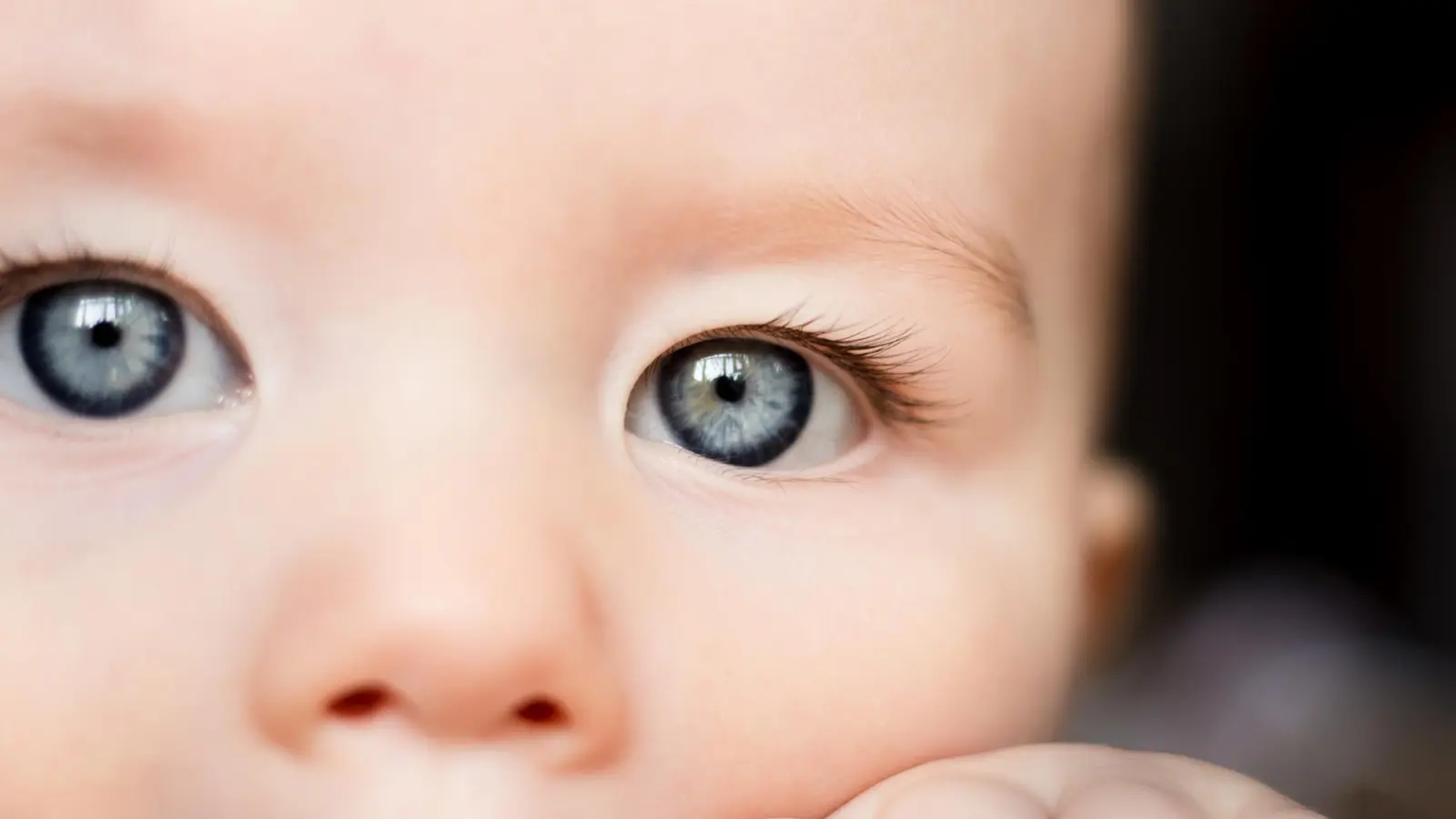
In a neonatal unit, tiny fingers curl around tubes and lights hum. For some of these infants, the most fragile organ is the eye. Retinopathy of prematurity, or ROP, can tear a child’s future sight apart before they ever leave the hospital. Now a simple intervention — corticosteroid eye drops — has shown promise at slowing the disease and reducing the need for invasive therapies.
Retinopathy of prematurity (ROP) is a potentially blinding eye disorder caused by abnormal retinal blood vessel growth in babies born very early. Severe cases can damage the retina and require urgent treatment to preserve vision.
How the Swedish trial unfolded and what it found
Researchers in Sweden carried out the first double-blind randomized clinical trial testing dexamethasone eye drops for ROP. The multicenter DROPROP study enrolled 100 infants born before 30 weeks of gestation. Each baby had developed a serious, pre-treatment stage of ROP — a window where the disease is dangerous but before laser or intraocular injections are routinely applied.
Infants were randomly assigned to receive either topical dexamethasone or a placebo. The results were striking in clinical terms: 20 percent of babies treated with dexamethasone progressed to a stage requiring laser treatment or intravitreal injections, compared with 38 percent in the placebo group. That represents a 47 percent relative reduction in the risk of advancing to invasive therapy.
The difference did not reach statistical significance in this sample, a limitation the authors acknowledge. Still, the effect size matters when the alternatives are destructive treatments on tiny, developing eyes. “The results are very promising because the treatment is simple, inexpensive and non-invasive,” says Ann Hellström, professor at the University of Gothenburg and chief physician at Sahlgrenska University Hospital. “In a significant proportion of children, we were able to reduce the need for laser and ocular injections in very fragile premature babies.”

A premature baby is examined for the eye disease Retinopathy of prematurity (ROP).
The investigators tracked complications carefully. No clinically significant differences in short-term safety signals appeared between groups, and there was no clear evidence of major hormonal or metabolic side effects during the trial window. The study was funded by the Swedish Research Council and ran at six university hospitals and eight county hospitals across Sweden from 2022 through 2025.

Why eye drops might work, and what still needs asking
Dexamethasone is a potent corticosteroid. In adult medicine it is used to tamp down inflammation. In the immature retina, inflammation and abnormal signaling can drive pathologic blood-vessel growth. The idea behind the trial is that topical steroid might blunt those signals locally, reducing the aggressive neovascular response that characterizes severe ROP. That mechanism remains hypothetical; the study demonstrates a clinical signal but does not fully map the biology.
Current standard treatments for severe ROP — laser photocoagulation and intravitreal anti-VEGF injections — are effective but invasive. Laser destroys peripheral retina to halt abnormal growth, and injections deliver drugs directly into the eye. Both procedures require specialist care and carry risks, including permanent retinal damage and systemic drug exposure. A simple, outpatient eye-drop regimen could transform care, especially in regions lacking neonatal ophthalmology teams.
But the trial’s authors and external experts say caution is needed. The sample size was modest, and the statistical threshold was not met. Long-term data are essential: does early topical steroid change how vision develops over years? Are there subtle neurodevelopmental or endocrine effects that emerge later? The research team plans extended follow-up to answer those questions.

Professor Ann Hellström, University of Gothenburg and Sahlgrenska University Hospital.
Expert Insight
“If replicated, this approach could be a game-changer in neonatal eye care,” says Dr. Maya R. Patel, a neonatal ophthalmologist at a major children’s hospital who was not involved in the trial. “Topical therapy that reduces the need for laser or injections would lower procedural risk and expand access to treatment in lower-resource settings. But we need larger, international trials and careful long-term follow-up before changing practice.”
The research opens a practical line of inquiry. Short courses of a low-cost medication, delivered easily at the cot-side, appeal to clinicians and families alike. Yet the road from promising phase II evidence to a new standard of care requires replication, mechanistic studies, and vigilance for late effects. For now, the trial offers cautious hope: a drop, not a scalpel or needle, might spare some preemies a lifetime of blindness.


“The cosmos has always fascinated me. I write about space missions, astronomy, and the technologies pushing humanity beyond Earth.”

Discussion
Leave a Comment
Comments (2)
Is this even safe long term? Looks promising but small trial, any data on neuro dev or subtle endocrine effects later?
wow didnt expect eye drops to cut need for lasers, tears. If true this could change so much, but i'm nervous… long road tho