
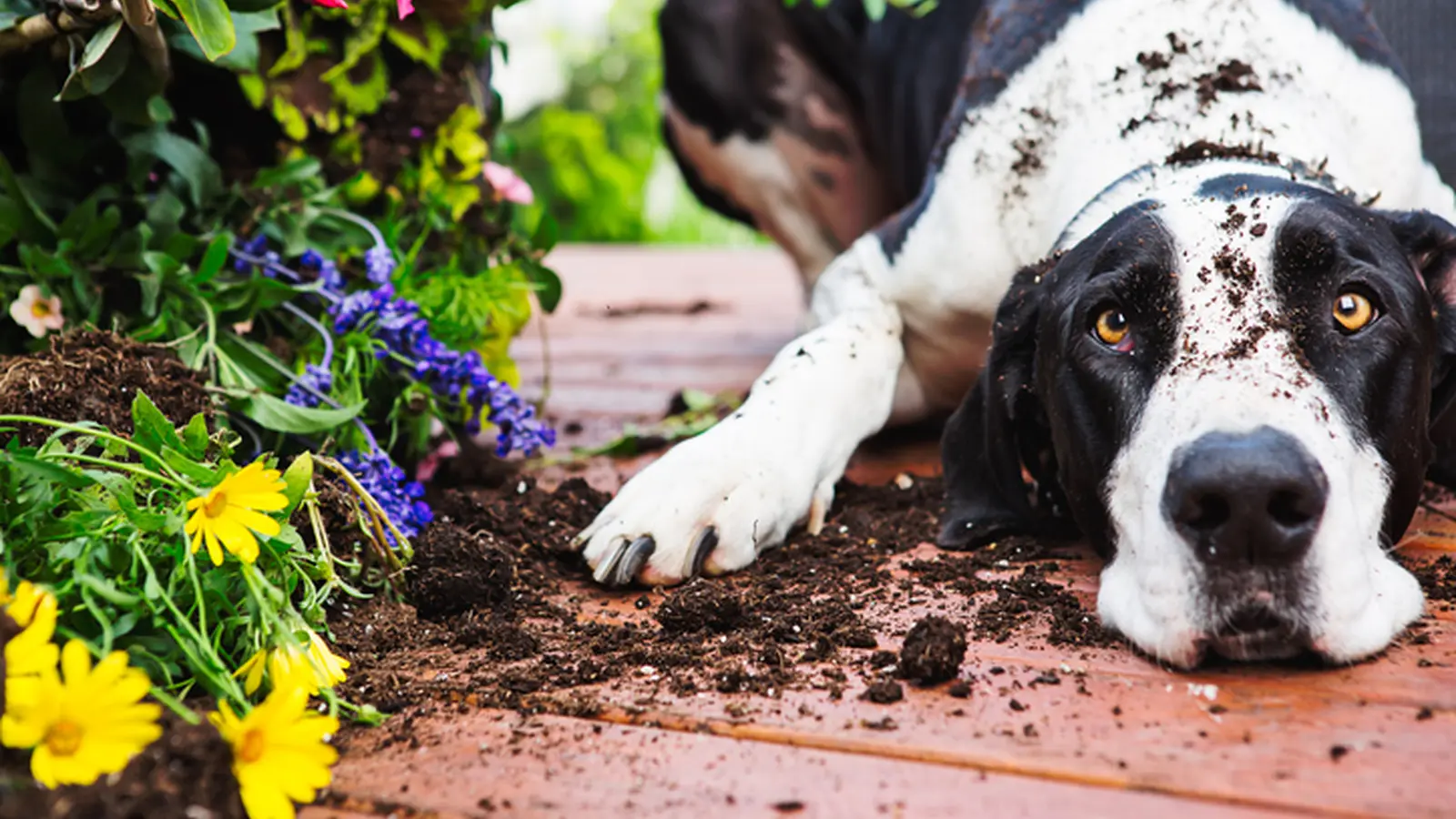
Imagine a living room floor that doubles as a tiny microbial classroom. Crumbs, sunlight, and the faint scent of dog shampoo. Now add invisible communities of bacteria and fungi that might be shaping a baby’s first months of life.
Study snapshot: dogs, dust and infants’ first year
A team at the Finnish Institute for Health and Welfare followed 368 newborns to see whether household dogs change infants’ risk of early respiratory problems. Parents reported ear infections, fever episodes and antibiotic use between the ninth postnatal week and the end of the first year. At two months, researchers vacuumed the living room floors to capture a snapshot of microbes settling in family homes. Results were published in Pediatric Allergy and Immunology.
The headline finding was modest but notable: certain bacterial and fungal genera tied to dogs explained up to about one quarter of the link between having a dog and a lower frequency of respiratory infections during that first year. In plain terms, dust from homes with dogs carried microbial signatures that correlated with fewer early-life respiratory troubles.
Why microbes might matter for the lungs
Why would a few microbes in household dust matter? The idea hinges on immune training. Early life is a sensitive window when the infant immune system learns to tell friend from foe. Exposures that broaden microbial variety can encourage regulatory pathways, helping the body resolve inflammation instead of amplifying it. That matters because repeated respiratory infections in infancy are a known risk factor for later asthma.
"Respiratory tract infections in early childhood are a significant risk factor for asthma," says chief researcher Anne Karvonen. She and colleagues are careful: this is correlation, not proof of cause. Observational studies reveal patterns. They rarely deliver tidy answers about mechanisms.
Still, the Finnish results fit a growing story. Research suggests that pets increase household microbial diversity, and that exposure to a wider array of microbes — sometimes called the 'old friends' — promotes regulatory T cells that dampen inappropriate inflammation. University of Colorado Boulder physiologist Christopher Lowry has explained this pathway in previous work: without enough exposures to these co-evolved microbes, our capacity to produce regulatory immune cells can be reduced, leaving people prone to chronic, unresolved inflammation.

Broader evidence, caveats and next steps

The picture is not uniform. A large Swedish registry study of nearly 100,000 children found that continuous dog exposure did not change the population-level risk of moderate-to-severe asthma, though it was associated with a small increase in exacerbations among children already diagnosed with asthma. That raises questions: are dogs protective early on but neutral or mixed for older children? Or do other household, genetic, or environmental factors dominate as kids grow?
Pediatrician Jenni Mäki, who participated in the Finnish research, points to practical implications. She notes that the microbial environment during childhood helps shape immune development, and dogs are one component of that environment. "It has been suggested that in the future it may be possible to modify the home microbiota in ways that promote health," Mäki says. "Our study shows that dog ownership already does this today."
But caution is essential. Observational signals can be confounded by lifestyle differences: families who own dogs may differ in other ways from families who do not. There are also practical concerns for allergy-prone households and for children with existing respiratory conditions. Scientists need experimental work: controlled intervention studies, microbiome sequencing over time, and mechanistic immunology that links specific microbes to immune outcomes.
Expert Insight
"The promise is compelling, but we must avoid overreach," says Dr. Elena Brooks, a pediatric immunologist at a major research hospital. "If certain microbial taxa prove beneficial, we might one day design targeted interventions that mimic the protective effects of pets without requiring every family to adopt an animal. Until then, guidance should weigh both potential benefits and individual risks."
Dr. Brooks emphasizes practical research directions: longitudinal sampling from multiple home sites, rigorous control for socioeconomic and lifestyle factors, and parallel laboratory studies to test how candidate microbes interact with infant immune cells.
Conclusion
Dogs have been household companions for thousands of years, and emerging data hint that their microbial passengers could contribute to healthier respiratory outcomes for some infants. The Finnish study adds an important piece to a complex puzzle: early-life pet exposure seems linked to a dust microbiota that correlates with fewer infections in year one. The mechanism likely involves immune regulation driven by greater microbial diversity, but more research is needed before clinical or public-health recommendations change.
Families and clinicians should interpret these findings as promising but preliminary. The next steps will determine whether the protective patterns observed in dust translate to concrete interventions that reduce infant respiratory illness and, possibly, lower long-term asthma risk.


“My work centers on sustainability, energy, and environmental science — examining how innovation can lead to a greener future.”

Discussion
Leave a Comment
Comments (2)
I babysat a kid around our lab dog, he seemed sick less often, weirdly — but allergies ran in the fam so probs not universal. more data pls
So dog dust might cut baby infections? Curious but skeptical. correlation not proof, confounders prolly huge. need trials, not headlines.