
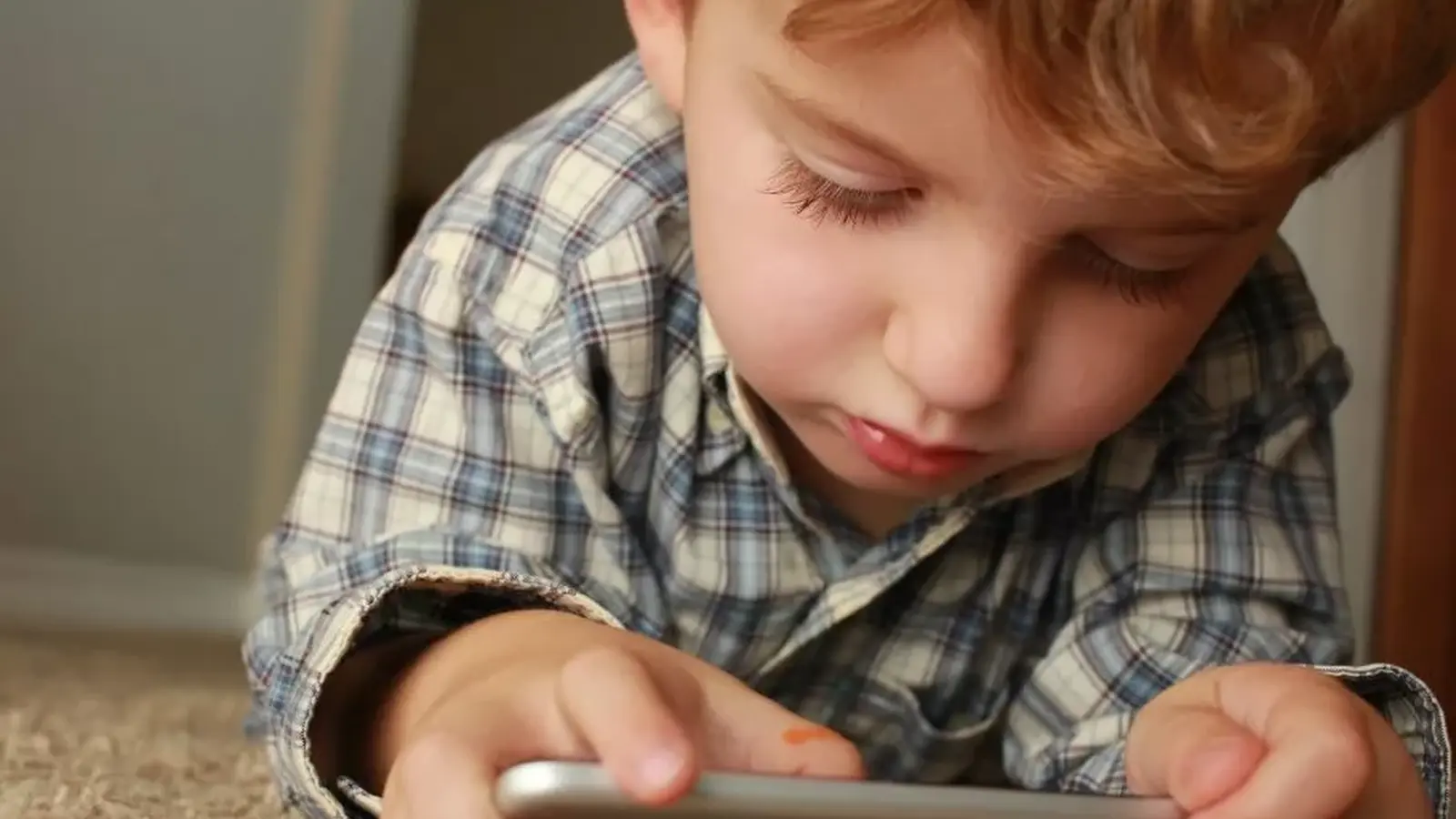
Imagine a kitchen table at dusk: a stack of notebooks, a math workbook half open and a phone glowing beside it. Notifications pop. A 14-year-old glances up, then down. Focus shatters. This ordinary scene is the kernel of a larger pattern identified by researchers in Milan.
Study design and what the data reveal
Scholars at the University of Milano-Bicocca tracked academic outcomes for more than 5,000 students aged 7 to 16 across northern Italy. Rather than relying on impressions, the team combined self-reported questionnaires about social media habits with school exam scores from second, fifth, eighth and tenth grades in Italian, mathematics and English. The result is a rare dataset linking age of first social media use to measurable changes in core-school subjects.
Children who began using social platforms at younger ages tended to perform worse in mathematics and in their native language. The gap first emerged clearly in the eighth grade, where students who started social media at 11 or 12 scored lower in math and Italian than classmates who joined later. By tenth grade those early starters were doing even worse, particularly in mathematics when access began before age 13. The paper appears in Nature Human Behaviour.
Why does this happen? The authors point to persistent, low-level distraction. Smartphones fragment attention. They invade the moments that matter most for learning: homework sessions, revision time and the quiet minutes before an exam. Those interruptions add up. One missed stretch of focused practice becomes many. Over months and years, the cumulative effect shows up as lower marks.

Why English bucked the trend
Intriguingly, the study did not find the same negative effect on English-language scores. That may seem paradoxical at first. But think about the content teenagers consume every day: a heavy flow of English across videos, captions and comments. This informal exposure can act as a low-effort learning channel, helping pupils pick up vocabulary and idiomatic usage without formal study. In other words, the very platforms that erode concentration in some domains may, by sheer volume of English content, provide incidental practice in another.
Authors and independent commentators underscore that this is not a simple cause-effect story. Socioeconomic factors, parental monitoring, sleep patterns and teaching quality also influence results. Still, the association between early social media access and declines in math and native-language performance is robust across several checks the researchers ran.
Policy debates are already heating up. Governments and child-rights advocates are discussing stricter age limits and better design standards for youth-facing platforms. Some countries are proposing new rules to curb access for younger teens and to make apps less attention-grabbing. Whatever policy emerges, the study adds empirical weight to the argument that timing and context of digital exposure matter for educational outcomes.
At stake is an everyday decision for families and schools: when to permit social media, and how to protect study time from constant digital interruptions. The evidence suggests that delaying access, and teaching children strategies to manage notifications and focused work, could make a measurable difference in their academic trajectory.


“My work centers on sustainability, energy, and environmental science — examining how innovation can lead to a greener future.”

Discussion
Leave a Comment
Comments
No comments yet. Be the first.