
Pancreatic cancer has long been the fortress that immune therapies cannot breach. Cold. Dense. Deceptively calm on scans. Yet inside, immune cells are kept at bay by a microenvironment that muffles signals and shields malignant cells. What if the signal could be delivered directly into the tumor, not shouted from the bodyflood?
Researchers used oxygen-seeking bacteria to deliver an immune signal directly into pancreatic tumors. The approach slowed tumor growth in animals and could help existing treatments work more effectively.
A new tactic to rouse immune defenses inside pancreatic tumors
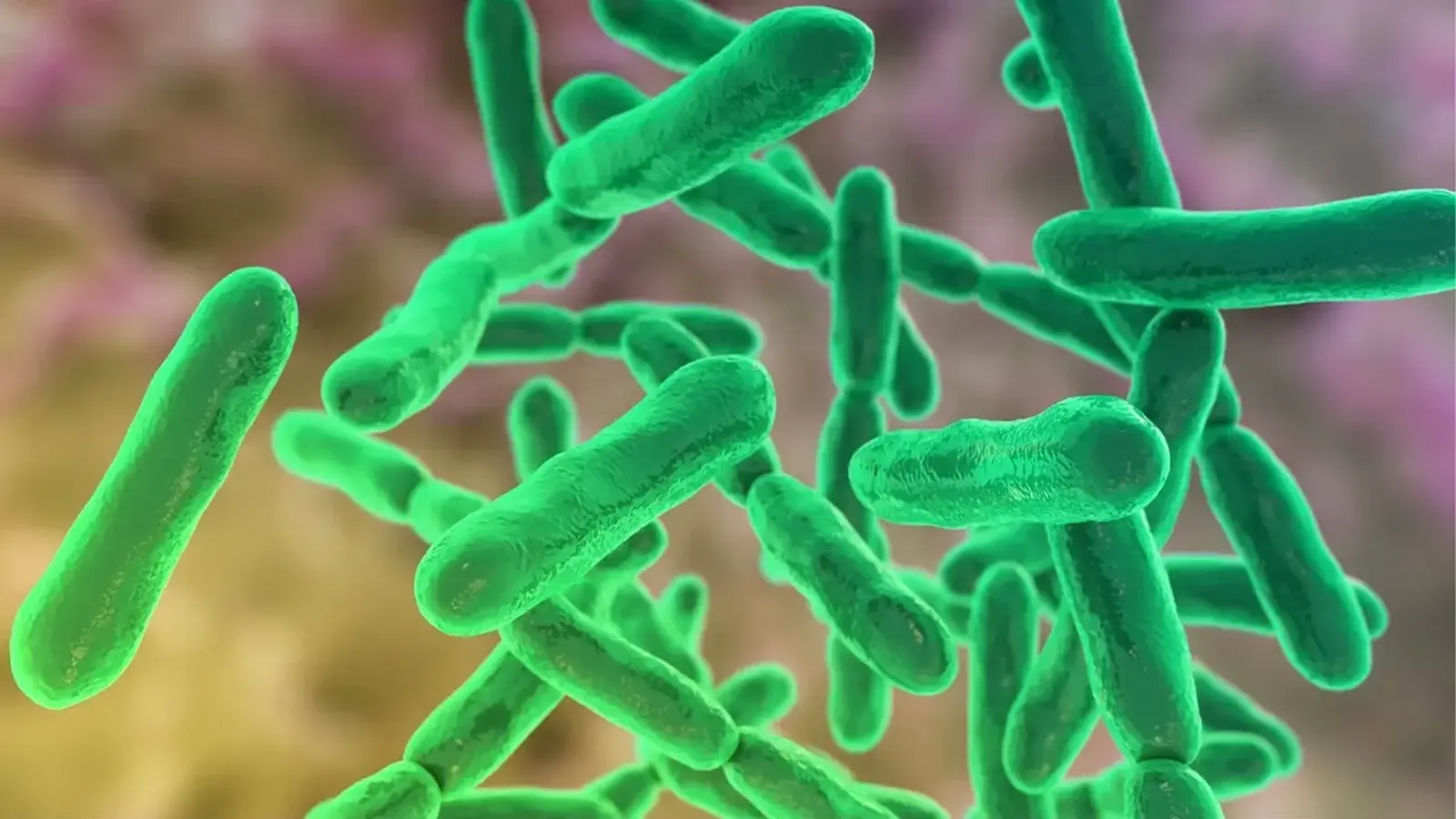
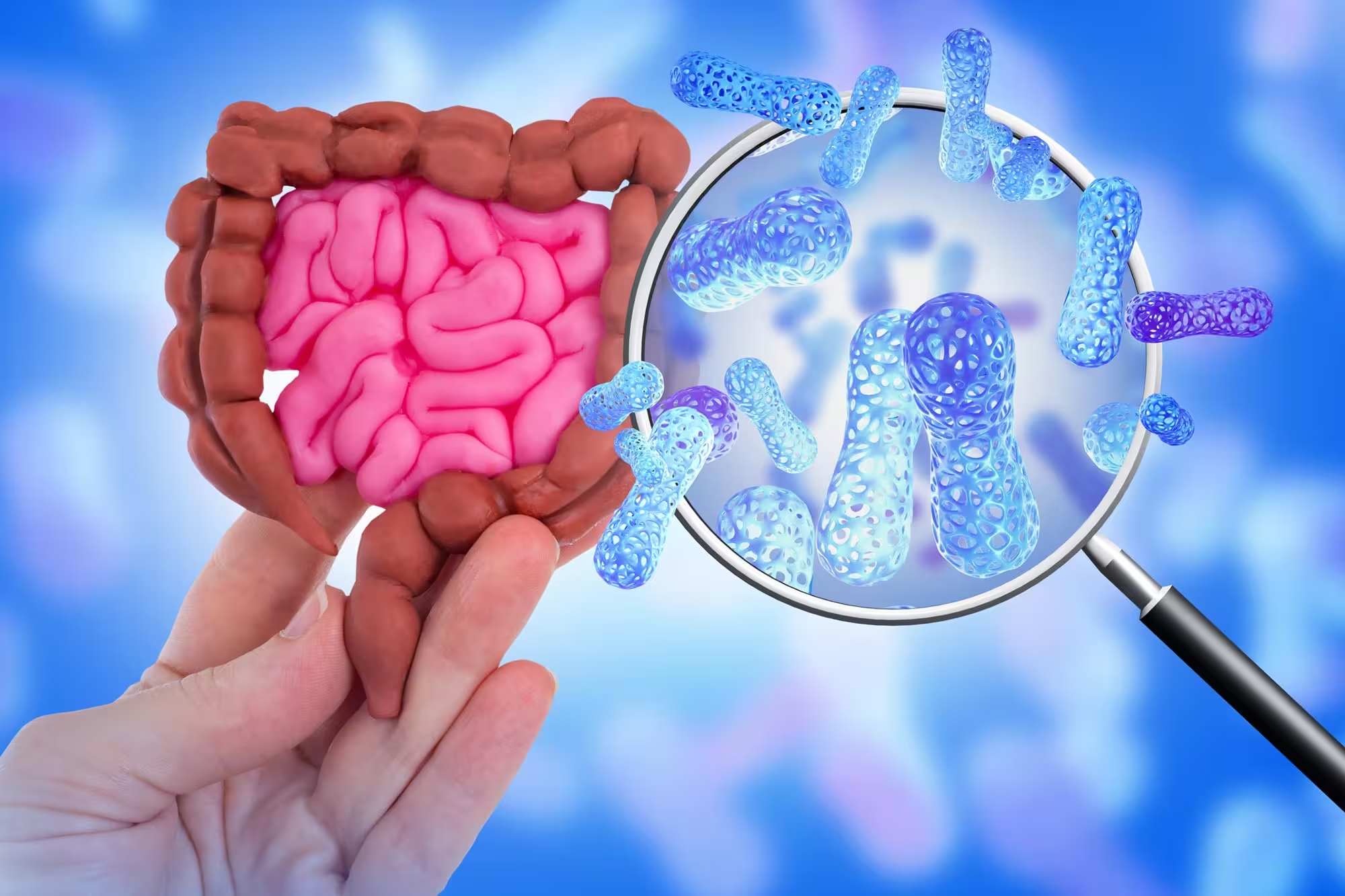
Scientists at the University of Chicago have taken a different route: hijack a friendly gut microbe and turn it into a local pharmacy. In work reported in Science Advances, the team engineered Bifidobacterium longum, a probiotic commonly found in the gut, to carry a redesigned immune stimulant called SumIL-2. The modified package, dubbed BifidoSumIL-2, accumulates in oxygen-poor pockets of pancreatic tumors and releases its payload where it matters most.
The idea rests on a simple but powerful concept. Interleukin-2, or IL-2, is a cytokine that can energize T cells to attack cancer. In its conventional form, IL-2 can cause severe systemic toxicity and, paradoxically, can activate regulatory T cells that suppress the anti-tumor response. SumIL-2 is an engineered variant that skews activity toward the cytotoxic T cells that actually kill cancer cells. Embedding SumIL-2 within Bifidobacterium concentrates that immune stimulation inside the tumor, potentially reducing harmful effects elsewhere in the body.
This project demanded multiple specialties: synthetic biology to reprogram bacteria; microbiology to handle an obligate anaerobe; and oncology and immunology to test immune outcomes in tumor models. "This was a highly interdisciplinary effort," said Mark Mimee, who led the microbiology work, noting the challenge of genetically manipulating a slow-growing, oxygen-averse organism. Ralph Weichselbaum, a radiation oncologist involved in the study, framed the aim plainly: pancreatic cancer is an unmet need, and the team wanted to scale that mountain.
Why Bifidobacterium seeks tumors and how that helps therapy

Many solid tumors are riddled with hypoxic regions, areas of low oxygen that arise as cancer outstrips its blood supply. Bifidobacterium longum is an obligate anaerobe, a bacterium that thrives in those low-oxygen conditions and cannot colonize healthy, oxygenated tissues. After systemic administration, the microbe is effectively filtered out of normal organs but can become active in hypoxic tumor niches. There, each bacterial cell behaves like a tiny factory, producing SumIL-2 locally and amplifying T cell recruitment and activation.
In mice, the approach produced measurable results. BifidoSumIL-2 localized to pancreatic tumors, increased the presence and activity of CD8 positive T cells that recognize and kill cancer cells, and slowed tumor growth. When combined with standard therapies such as chemotherapy, radiotherapy, or anti-PD-L1 checkpoint inhibitors, the bacterial therapy produced stronger tumor control and improved survival compared with either approach alone. That synergy matters: therapies that can transform a so-called cold tumor into a hot, inflamed one may unlock responses where current immunotherapies fail.
Technical obstacles remain. Bifidobacterium is not easy to engineer. It grows slowly, needs strict anaerobic handling, and has fewer genetic tools compared with lab staples such as Escherichia coli. Safety questions must be answered before clinical testing: how long do engineered bacteria persist? Could they produce off-target effects outside the tumor? Is an intravenous route required, or can an oral or other less invasive delivery be developed? Researchers are also interested in pairing bacterial delivery with next-generation pancreatic drugs, including KRAS inhibitors, to see whether combined targeted and immune strategies yield greater benefit.
Expert Insight
"The cleverness here is spatial control," said Dr. Elena Vargas, an immuno-oncologist at the Pacific Biomedical Institute. "By putting an engineered cytokine inside bacteria that only grow where oxygen is low, you shape the immune response at the tumor core while sparing healthy tissues. That lowers the dose needed systemically and could reduce side effects that have limited IL-2 therapy in the past."
Dr. Vargas added a caution. "Animal models are promising, but human tumors are more complex. Immune suppression in the pancreas is multifactorial, so combination strategies will probably be necessary. Still, this is a strong step in the direction of precision immune modulation."
Conclusion
BifidoSumIL-2 exemplifies a growing class of 'bugs as drugs' strategies that use engineered probiotics to deliver therapies directly inside tumors. By exploiting the natural oxygen preferences of Bifidobacterium and coupling that trait with a redesigned IL-2 molecule, researchers have created a targeted method to awaken immune responses inside pancreatic tumors. Early animal data show slowed tumor growth and enhanced effects when paired with chemotherapy, radiation, or checkpoint blockade. The path to patients will require rigorous safety testing, optimization of delivery, and trials that probe combination regimens. If those hurdles can be crossed, engineered microbes could become a valuable tool against cancers that have so far resisted immune control.

“The cosmos has always fascinated me. I write about space missions, astronomy, and the technologies pushing humanity beyond Earth.”

Discussion
Leave a Comment
Comments
No comments yet. Be the first.