
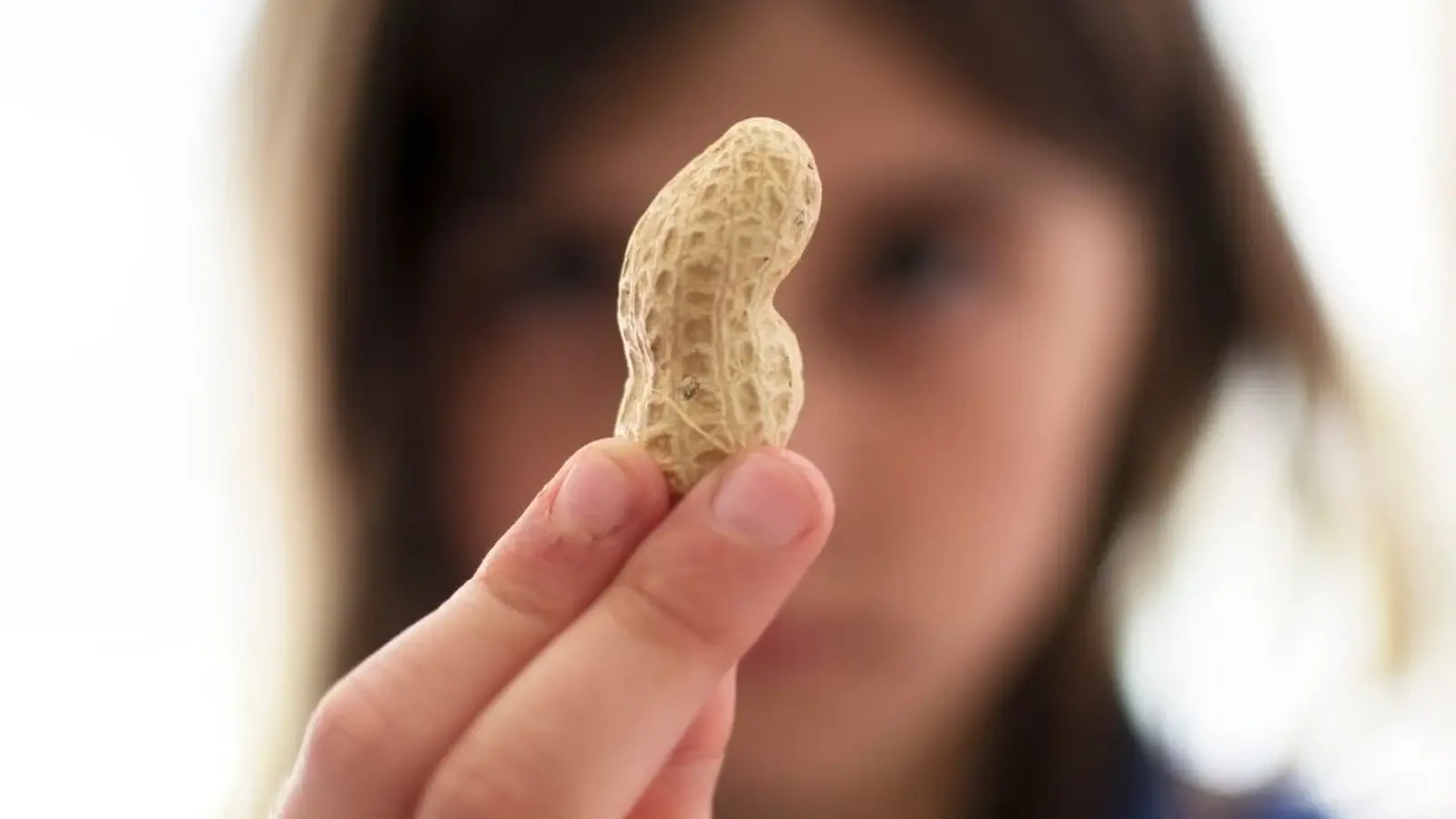
Imagine a crowded restaurant, a plate pushed around, laughter at the table, and a parent watching a child refuse a seemingly harmless snack because the risk is too high. The fear is real. For millions with food allergies, a bite can cascade into swelling, airway constriction, and in severe cases, a life-threatening emergency.
A radical gut-based test in people
Researchers at Boston Children's Hospital decided to test a different route to protection. Instead of slowly training the immune system by feeding tiny amounts of allergen, they set out to reshape the gut ecosystem itself. The idea is straightforward on paper: the gut microbiome plays a central role in immune education. Shift that microbial community and you may change how the immune system reacts to food.
Fifteen adults with clinically confirmed peanut allergy enrolled in a phase 1, open-label safety trial. At baseline every participant reacted to 100 milligrams or less of peanut protein. In practical terms, that is less than half a peanut. The first group of ten received one course of fecal microbiota transplant in the form of 36 oral capsules taken over one to two days. The material in those pills came from healthy donors without peanut allergy. A second group of five underwent a short course of antibiotics before receiving the same capsule regimen. Antibiotics temporarily alter the resident microbiome, which the investigators hypothesized could make room for donor bacteria to engraft.
Safety was the immediate priority. The capsules were well tolerated and there were no serious adverse events linked to the transplant. No participant experienced an allergic reaction to the treatment itself. Side effects were few and mostly mild.
Results: how much tolerance changed, and why it matters
Did the transplant move the needle? For some it did. Six of the 15 participants showed meaningful increases in peanut tolerance at the study end point, roughly four months after treatment. That is 40 percent of the cohort. Three responders from the non-antibiotic group increased their tolerated dose about threefold to 300 milligrams. The three who had antibiotics first tolerated roughly 600 milligrams on average. One person reached 1,043 milligrams, tolerating every dose offered in the testing protocol.
.avif)
The microbes in everybody's gut make up their individual microbiome, but this can be altered through treatments such as FMT.
Put in context: oral immunotherapy typically requires daily dosing over months to reach a 300 milligram threshold. Here, a single course of fecal microbiota capsules produced comparable or better improvements in weeks to months for some participants. Tolerance is not cure. It does not guarantee permanent remission. But the improvements persisted for at least the four-month follow-up window of this study, which is encouraging given how quickly desensitization can fade when oral therapies are stopped.
Not everyone benefited. Nine participants did not show clinically meaningful changes. That split highlights the variability of human microbiomes and suggests that donor selection, host factors, or preparatory antibiotics likely influence outcomes. The antibiotic pre-treatment seemed to help in this small sample, but larger trials are needed before any clinical changes are recommended.
From human samples to germ-free mice: tracking mechanisms
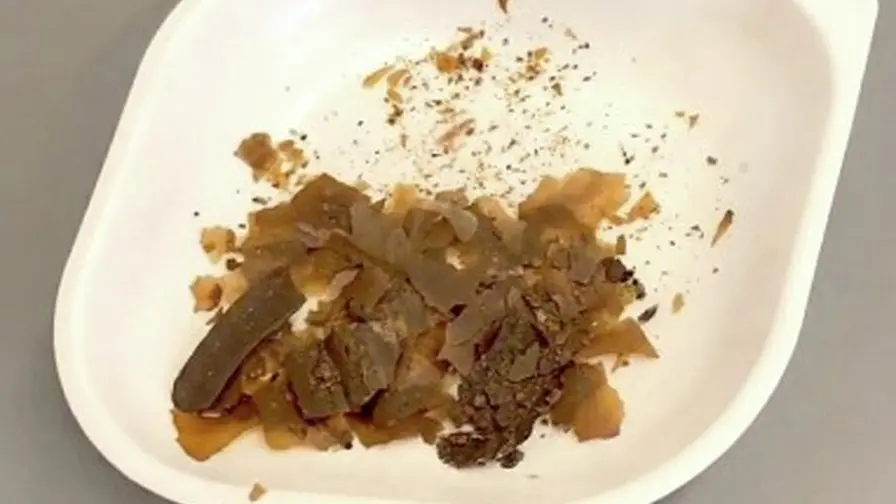
To move beyond correlation, the team performed mechanistic studies in germ-free mice. They transplanted stool collected from participants four months after FMT into these microbe-free animals. Mice that received bacteria from human responders were less prone to develop experimental food allergy. When allergy was induced, those animals showed better protection against anaphylaxis compared with mice receiving stool from non-responders.
Microbial detective work singled out two bacterial species in the Bacteroides genus as likely contributors. These bacteria appear to promote a regulatory arm of the immune system, increasing cells and signals that quiet excessive reactions to food antigens. That pathway makes biological sense: regulatory immune cells help teach the body to tolerate harmless proteins rather than mount an aggressive response.
Isolating the protective strains is important. Whole-stool transplants carry unpredictable elements. A future therapy built from defined bacterial strains could enable precision microbiome engineering with fewer unknowns and a lower risk profile. Still, the current trial is an early proof of concept rather than a ready-made therapy. It lacked a placebo group and blinding, and involved just 15 adults. The findings do, however, provide a rationale for randomized, controlled trials and for work aimed at translating taxa-level discoveries into standardized treatments.
Expert Insight
Dr. Laura Nguyen, an immunologist who studies host-microbe interactions, commented on the implications: "These results are the kind of signal we need to justify larger trials. The fact that a subset of people saw durable gains after a single treatment suggests the microbiome can be a lever for immune retraining. The goal now is to learn which microbes do the heavy lifting and why some hosts accept them and others do not."
She added that isolating bacteria that induce regulatory immune responses could lead to pill-based therapies that feel less invasive than repeated allergen exposure and that avoid some risks associated with broad-spectrum stool transfer.
Conclusion
This small trial reframes how scientists think about treating food allergy. Rather than only trying to teach the immune system to ignore a trigger through repeated exposure, researchers are exploring ways to re-educate the immune system by changing the microbial context in which it develops. The result is a potential shift from allergen-focused therapies toward microbiome-directed strategies that might produce longer-lasting tolerance with fewer daily demands on patients.
Caveats remain. Larger, placebo-controlled trials must confirm safety and efficacy. Donor selection, preparatory antibiotics, and host genetics are variables that will shape future protocols. Still, the study opens a compelling avenue: gut bacteria, once dismissed as mere digestion partners, could become active agents in preventing severe allergic reactions.
For patients and clinicians alike, the takeaway is cautious optimism. What began as a pile of discarded material now points toward a fundamentally different approach to allergy care. Science often advances by following surprising leads. This may be one of them.


“The cosmos has always fascinated me. I write about space missions, astronomy, and the technologies pushing humanity beyond Earth.”

Discussion
Leave a Comment
Comments (3)
Feels overhyped but ok. 40% response is neat, still need defined strains, safety data, and longer followup. not ready yet.
Is this even real? one course of FMT, 15 ppl no placebo sounds like proof of concept not practice. show me RCTs.
Wow didnt expect poop pills to work, kinda wild and slightly gross but hopeful. donor choice matters a lot wondering why antibiotics helped