
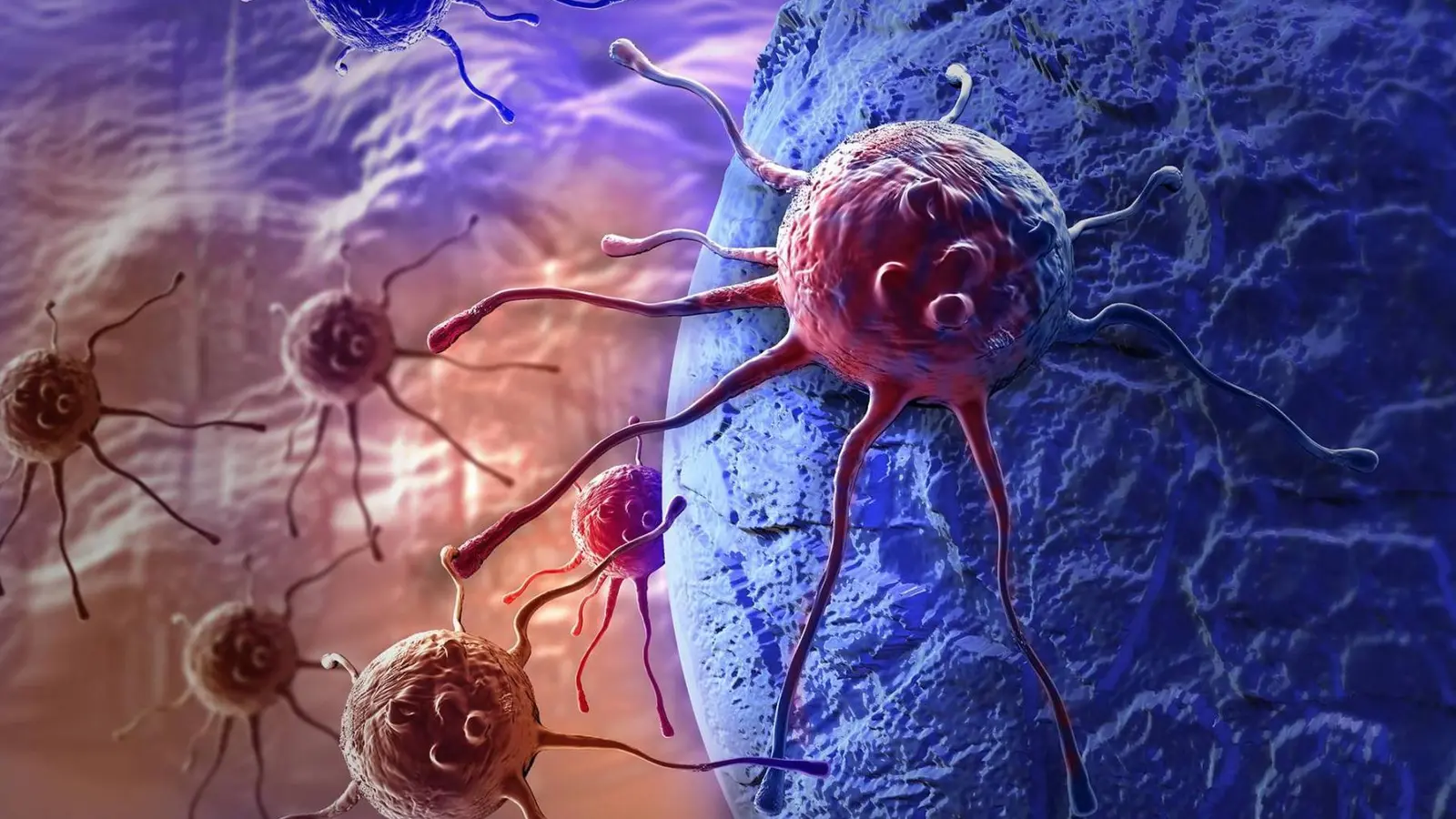
New laboratory and animal research shows that fructose released by ovarian cancer cells that survive chemotherapy can alter tumor cell metabolism, reduce membrane cholesterol and promote cell detachment—an early step in metastasis. Published in Nature Aging, the study identifies a non-protein metabolite secreted by senescent cancer cells as a facilitator of dissemination after platinum-based chemotherapy. While findings come from cell culture and mouse models and do not prove dietary fructose causes cancer progression in humans, they highlight potential therapeutic targets including senolytics and metabolic interventions.
Senescent tumor cells and an unexpected secreted metabolite
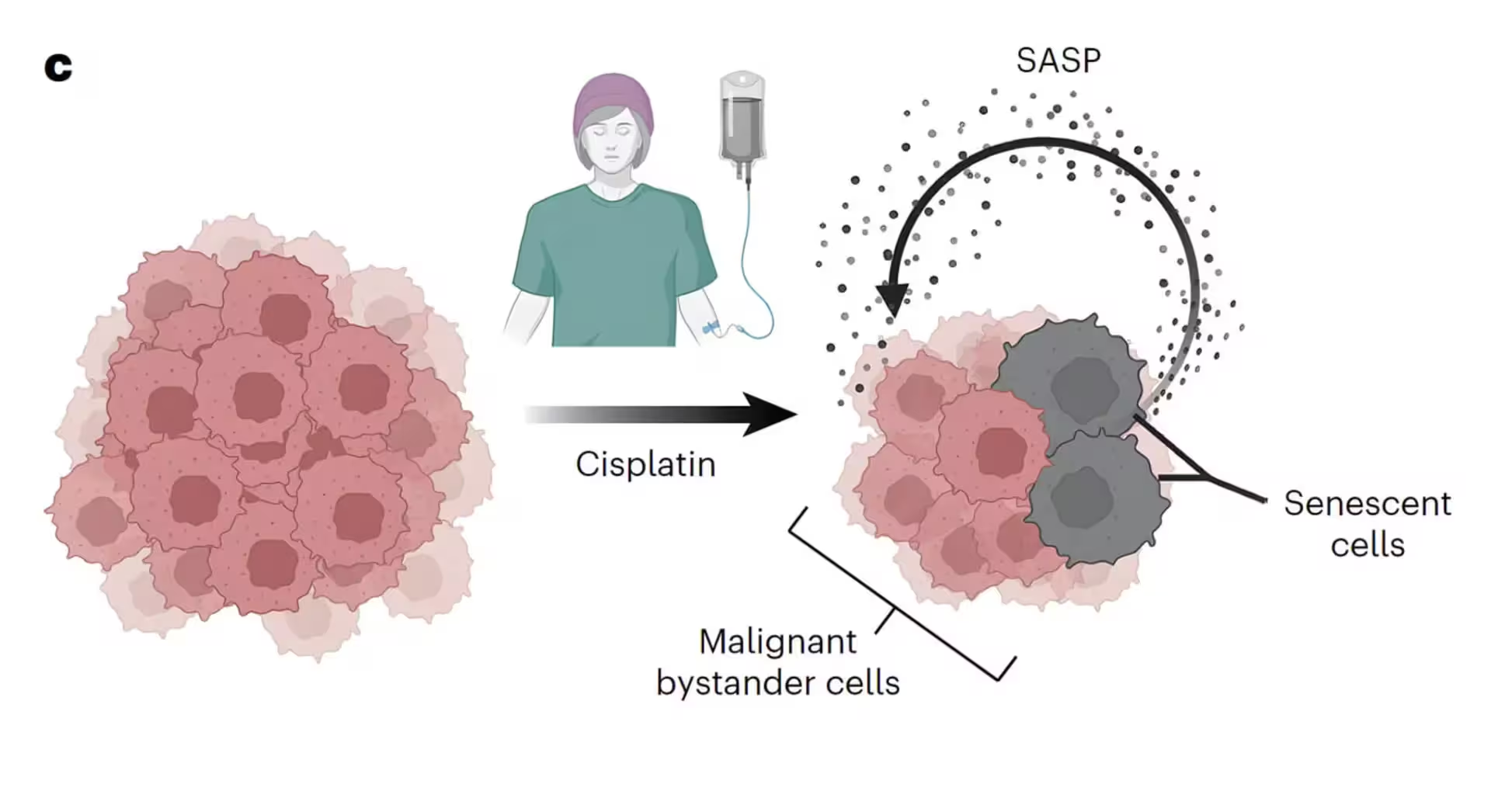
Chemotherapy aims to kill rapidly dividing cancer cells, but some cells survive and enter a persistent, non-dividing state known as cellular senescence. Rather than being inert, senescent cells remain metabolically active and secrete a complex mixture of proteins, lipids and small molecules that can reshape the tumor microenvironment. In the new study, researchers treated ovarian cancer cells with cisplatin, a platinum-based chemotherapy drug, to induce senescence and then analyzed the conditioned media—the fluid containing molecules released by those senescent cells.
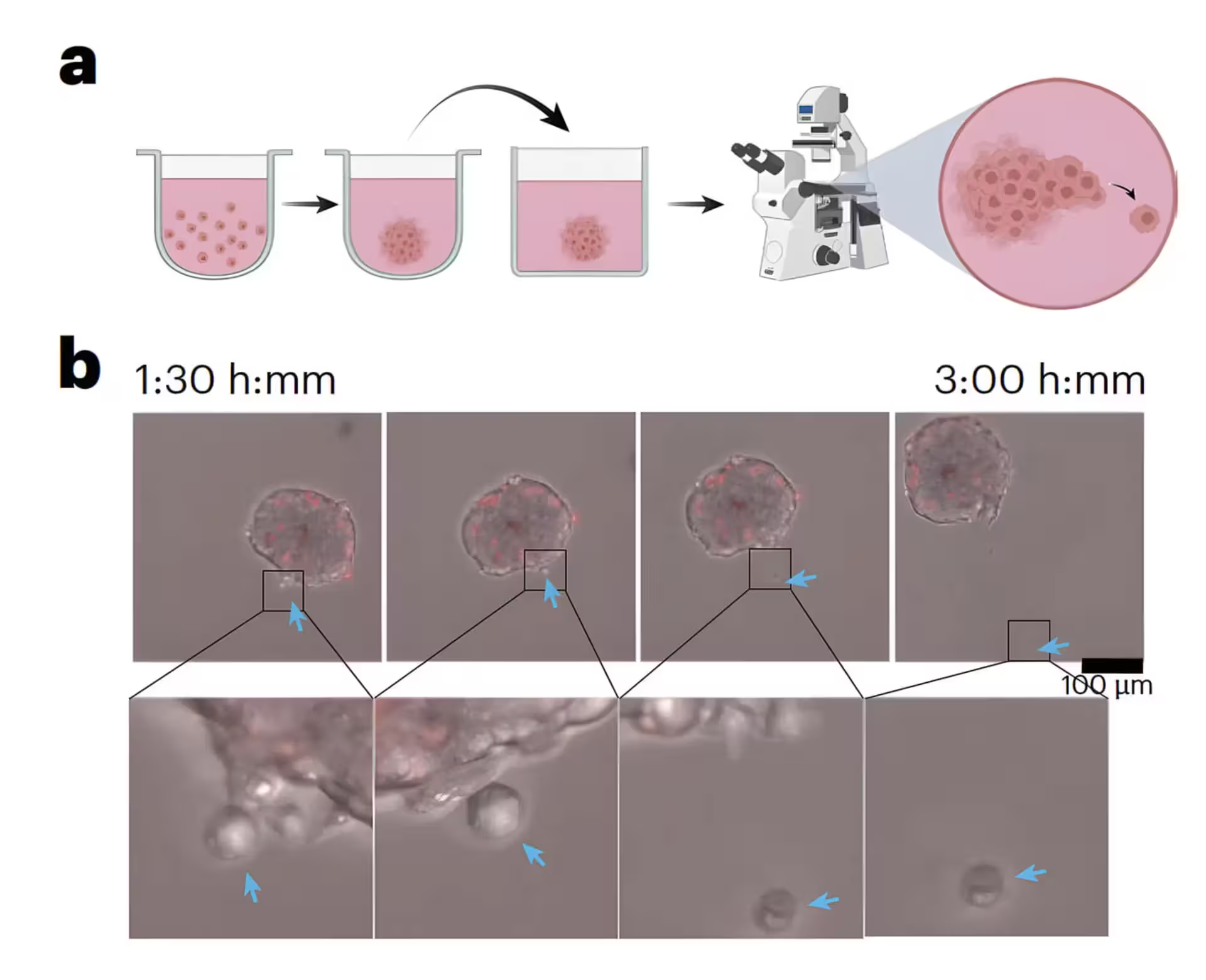
When untreated ovarian cancer cells were exposed to conditioned media from senescent cells, their proliferation and resistance to cell death did not meaningfully increase. Instead, the most striking effect was on physical behavior: cells detached from each other more easily and emigrated from three-dimensional tumor-like structures, suggesting that the secreted factors promoted a migratory or dispersal phenotype—an early step in metastasis.
From proteins to metabolites: identifying fructose
To pinpoint the responsible factor, the investigators first denatured proteins in the conditioned media and filtered them out. The dispersal effect persisted, indicating the active component was smaller than a typical protein. Metabolomic profiling revealed that senescent ovarian cancer cells showed altered sugar handling: they consumed glucose but secreted elevated levels of fructose into their surroundings.
When researchers supplemented cell culture media with physiologically relevant concentrations of fructose, untreated ovarian cancer cells became more prone to detachment—mirroring the effect of senescent-cell conditioned media. Reintroducing glucose diminished this detachment effect, implying a specific role for fructose rather than a generic sugar-driven change.
How fructose changes tumor cell metabolism
Further experiments showed fructose did more than provide an energy source. It remodeled tumor cell metabolism, impairing mitochondrial function and decreasing intracellular cholesterol synthesis. Cholesterol is a critical component of the plasma membrane that helps maintain membrane integrity and cell–cell adhesion. Reduced membrane cholesterol led to weaker adhesion between tumor cells and their surrounding tissue, making them more likely to detach and spread.
Animal models confirm increased dissemination
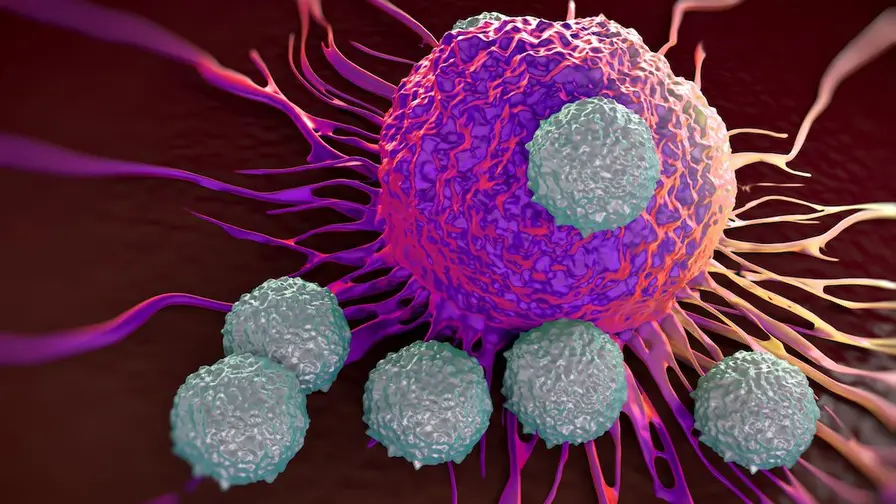
To test relevance in vivo, the team implanted ovarian cancer cells into mice and exposed animals to materials secreted by senescent cells. Mice receiving senescent-cell conditioned material developed more metastatic lesions across the peritoneal cavity than mice receiving control material, despite no measurable increase in primary tumor cell proliferation. Separately, mice fed a diet enriched in fructose developed more extensive metastatic disease than those fed diets high in glucose. Blocking the cancer cells’ ability to metabolize fructose reduced the number of disseminating tumor cells.
Clinical relevance and cautions
These results indicate that the impact of chemotherapy may extend beyond direct tumor cell killing. A subset of cells that survive treatment can become senescent and secrete metabolites that change the behavior of neighboring tumor cells, increasing their potential to disseminate without necessarily accelerating proliferation. However, the authors and experts caution that current evidence comes from in vitro studies and mouse models; it is not sufficient to conclude that dietary fructose alone drives ovarian cancer progression in humans.
Human epidemiological and clinical studies are required to determine whether consumption of fructose-containing foods or variations in tumor fructose metabolism meaningfully affect recurrence or metastasis risk in patients. Until then, patients should follow medical and dietary guidance from their oncologists.
Therapeutic implications and future directions
Researchers propose several potential strategies based on these findings. One avenue is the development and testing of senolytic drugs that selectively remove senescent cells after chemotherapy, reducing their secretory influence on residual tumor cells. Another is targeting fructose metabolism within tumor cells or restoring membrane cholesterol levels to prevent detachment.
Importantly, the study underscores a broader need to map the metabolic signatures of treatment-resistant cancer cells. Integrating metabolic profiling into oncology research could reveal actionable vulnerabilities for combination therapies that pair conventional chemotherapy with metabolic inhibitors or senolytics.
Cross-industry perspective: research transparency, blockchain and funding
For the global research community, reproducibility and data integrity are essential—areas where blockchain and Web3 tools may offer value. Decentralized ledgers could improve provenance tracking for experimental data, while crypto-enabled funding models including tokenized grants or decentralized autonomous organizations (DAOs) might accelerate collaborative translational research. These crypto-related innovations—smart contracts, on-chain data registries and NFT-based access controls—could help ensure transparent, auditable sharing of raw datasets from studies like this, enabling faster validation and meta-analyses across labs.
Conclusion
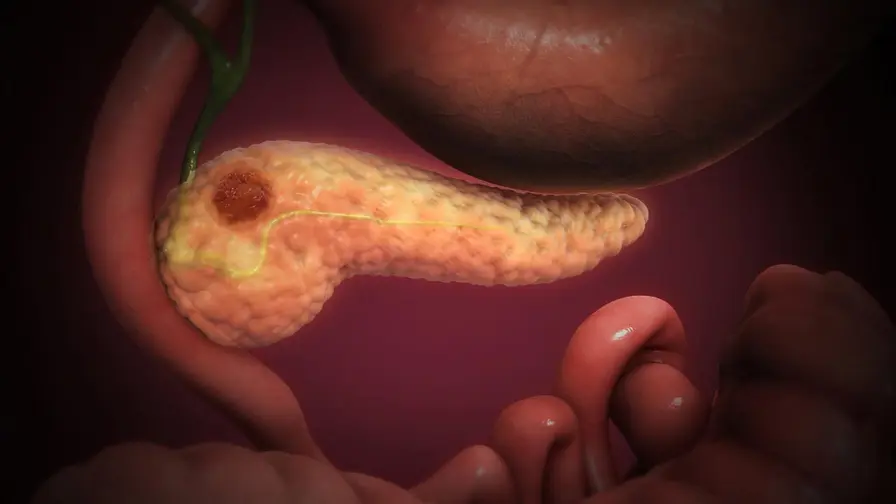
The Nature Aging study reveals an unexpected role for fructose secreted by senescent ovarian cancer cells in promoting tumor cell detachment and dissemination in preclinical models. While these findings open new therapeutic hypotheses—senolytics, metabolic inhibitors and dietary interventions—their relevance to human patients remains to be established through clinical research. Meanwhile, improved data sharing and potential blockchain-enabled solutions could help accelerate rigorous, reproducible investigation into how treatment-altered tumor metabolism influences relapse and metastasis.

“My work centers on sustainability, energy, and environmental science — examining how innovation can lead to a greener future.”

Discussion
Leave a Comment
Comments (2)
Interesting mechanism, but mice + dishes != humans. Also the blockchain/crypto funding bit felt out of place, kinda opportunistic. Senolytics angle though, ok worth a try
So chemo-survivor cells secrete fructose that nudges tumors to detach? Sounds wild, but is it just a cell culture artifact or real in people... hmmm