
Close your eyes and picture the infant Earth: steam, magma, and a sky constantly shredded by objects from space. For decades, that violent image has been hard to reconcile with the geology we actually find today. Why are there almost no continental rocks older than about 4 billion years? Why do the most intact cratons have near-perfectly rounded outlines? And how do you create massive layered gaps in the rock record on a planet that was once largely ocean-covered?

A fresh way to read Hadean scars
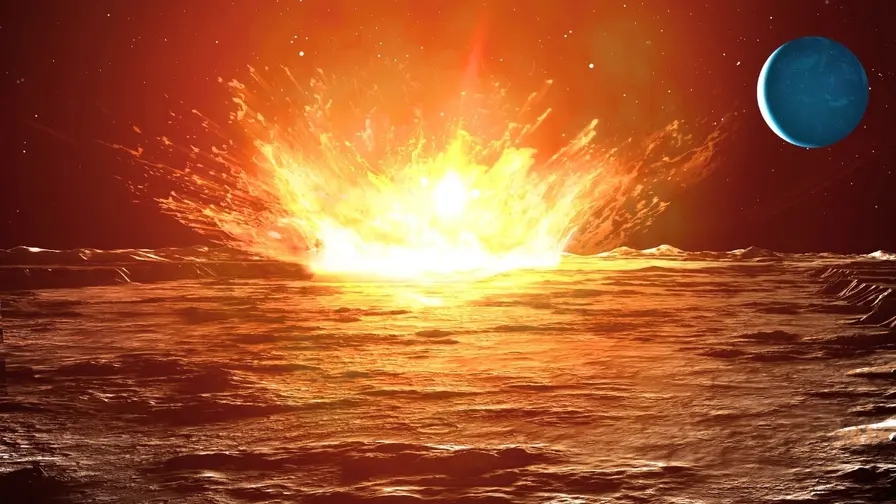
Recent research suggests a single thread may tie these mysteries together: repeated giant impacts. The idea is simple, but its implications are broad. Large collisions during Earths first few hundred million years could have stripped, remade, and redistributed surface material in ways that erased early continental fragments, sculpted cratons into rounded survivors, and produced dramatic unconformities where older layers were removed and younger deposits later reestablished.

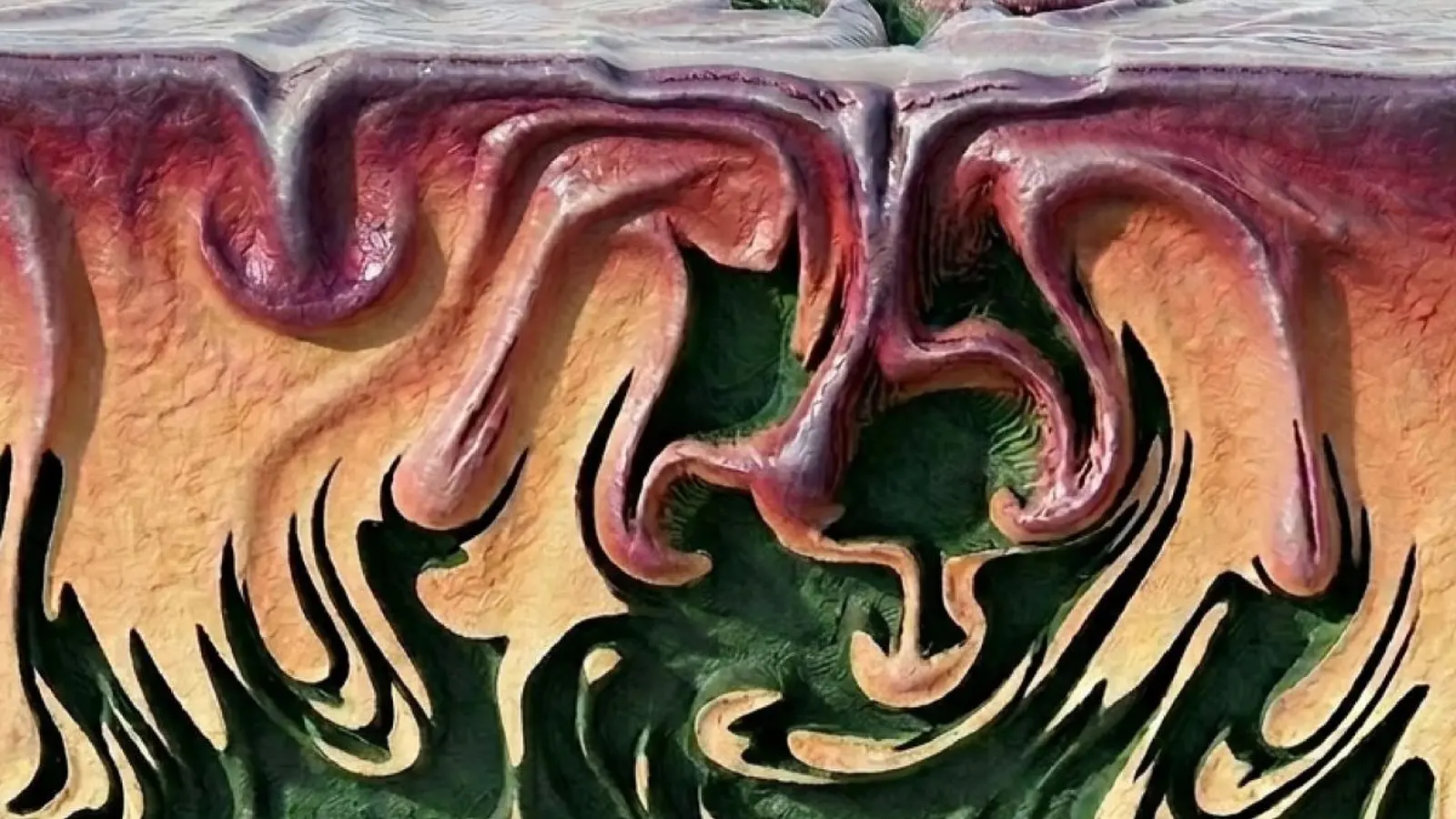
Convection snapshots of Hadean mantle simulations (in 2D) around 4.1 billion years ago.
That does not mean a decisive smoking gun will appear overnight. As one of the study authors notes, validating this claim will likely be a slow accumulation of compatible observations rather than a single, unmistakable discovery. Still, the hypothesis gives a tidy explanation for several long-standing puzzles in early Earth science and reframes how we interpret ancient terrains.

There is another practical takeaway: treat lunar geology as more than a curiosity. The Moon preserves impact history far better than Earth. Detailed comparisons between lunar impact records and terrestrial geology could be the key to testing the idea that collisions reshaped our planet during the Hadean.
The study has been published in Science, and it invites geologists and planetary scientists to look again at impacts not as rare catastrophes but as central architects of Earths earliest surface.

“My work centers on sustainability, energy, and environmental science — examining how innovation can lead to a greener future.”

Discussion
Leave a Comment
Comments
No comments yet. Be the first.