
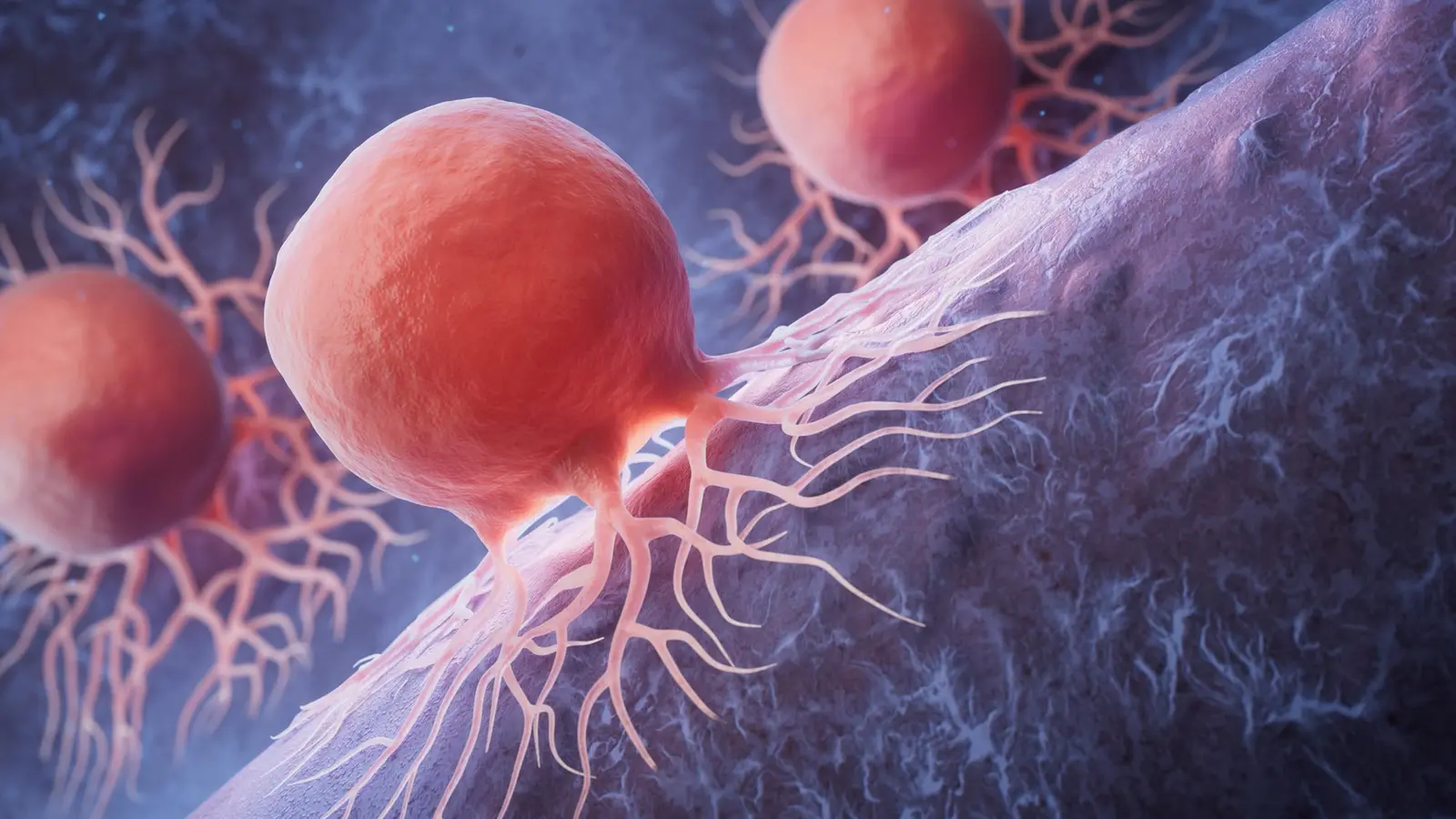
A mother in Accra, a retired teacher in Warsaw, a factory worker in Melbourne: the odds of facing cancer in their lifetimes vary wildly, and that variance is not coincidence. New international estimates paint a stark picture of where cancer will strike hardest and why much of that suffering is avoidable.
How researchers mapped the coming decades
Teams from the American Cancer Society and the International Agency for Research on Cancer used GLOBOCAN 2024 data to piece together a global portrait of cancer: incidence and mortality for 34 cancer types across 186 countries. They then layered national demographic forecasts to project trends through 2050. The headline: nearly 21 million new cancer diagnoses in 2024 and about 9.8 million deaths. By 2050 annual cases could swell to roughly 34 million, a 67 percent increase driven entirely by population growth and aging.
That projection is brutally simple in its mechanism and frightening in its implications. If nothing else changes—no large-scale prevention, no improved access to early detection and treatment—the sheer arithmetic of more people and older populations will push case counts higher.
Where geography determines life or death
Cancer is not a single global epidemic; it is a mosaic of regional crises. Incidence varies roughly four- to fivefold among regions, with the highest rates in Australia and New Zealand and the lowest in parts of Africa and South-Central Asia. Mortality differences are smaller but still large—about twofold—peaking among men in Eastern Europe and women in Melanesia.
Lung cancer leads both diagnosis and death charts worldwide, largely because of tobacco use: roughly 2.6 million new cases and 1.9 million deaths in 2024. Breast cancer is the second most common, with about 2.4 million new cases and 694,000 deaths, and remains the leading cancer among women for both incidence and mortality.
But numbers alone hide inequalities. Consider this: women in Western Africa face about half the breast cancer incidence seen in Australia and New Zealand yet are twice as likely to die from it. The gap is not biology. It is access to timely diagnosis, effective treatment, and health-system capacity.
Other major contributors to global mortality include colorectal cancer (more than 2 million cases and 918,000 deaths), liver cancer (843,000 cases and 732,000 deaths), prostate cancer (1.5 million cases and 420,000 deaths), stomach cancer (approximately 980,000 cases and 642,000 deaths), pancreatic cancer (491,000 deaths), and thyroid cancer, which accounts for nearly 1 million diagnoses.

American Cancer Society Reports Latest Global Cancer Statistics.
Prevention is the one lever that changes the math
The report’s authors make a clear point: a large share of cancer deaths could be prevented. Tobacco control, vaccination against cancer-causing infections (like HPV and hepatitis B), reductions in harmful alcohol use, healthier diets and body weight, and regular physical activity are all proven levers. Early detection and prompt treatment add another substantial layer of preventable deaths.
What does this mean on the ground? It means that for many countries, scaling vaccination programs, expanding screening where appropriate, and strengthening primary care could translate into measurable declines in mortality within a generation. It also means tackling inequities: the same tumor biology has different outcomes depending on where a person lives.
Concrete priorities
- Accelerate tobacco cessation and smoke-free policies.
- Expand HPV vaccination and cervical screening where coverage is low.
- Invest in diagnostic capacity and affordable, timely treatment.
- Promote population-level interventions for obesity, alcohol, and infection control.
These are public health interventions with economic as well as moral returns: preventing cancer or catching it early reduces the human, social, and fiscal toll.
Expert Insight
Dr. Elena Park, a global oncology epidemiologist, observes: “The data show where to focus limited resources. In lower-resource settings, the biggest gains come from vaccines, basic screening, and ensuring that a diagnosis leads swiftly to treatment. Those are not glamorous fixes, but they save lives. And they are doable.”
Her point underscores a pragmatic truth: the tools to bend the curve already exist. The challenge is delivering them equitably and at scale.
Conclusion
The coming rise in cancer cases is largely predictable. Aging and population growth will raise the count, but they do not have to seal a fate of needless deaths. The ACS and IARC analysis is a call to action—a reminder that prevention, early detection, and universal access to treatment can rewrite the forecast. Policymakers face a choice: plan for a heavier burden or invest now to prevent much of it.
Science gives us the map. What remains is implementation, political will, and the commitment to ensure that where you are born does not determine whether you survive cancer.


“My work centers on sustainability, energy, and environmental science — examining how innovation can lead to a greener future.”

Discussion
Leave a Comment
Comments (2)
Is that 34 million by 2050 real? sounds scary but if prevention scales maybe not... who pays for the rollout tho, governments??
wow, that hits hard. i had no idea aging+population alone could spike cases so much… and the part about Western Africa vs Australia made me angry. access matters