

Within an hour of taking the first dose, some participants' arteries were already widening more easily. That immediate change is the kind of result that grabs attention: short, measurable, and unexpected for a nutritional supplement aimed at slowing aspects of biological aging.
Small trial, rapid signal
Researchers at the University of Surrey tested a multi-ingredient anti-aging supplement called NOVOS Core in a randomized, placebo-controlled trial of 61 adults. Thirty-three people received the active formula once daily for six months; twenty-eight received a matched placebo. The study focused on vascular biomarkers rather than disease events, tracking how the inner lining of blood vessels and arterial stiffness responded over time.
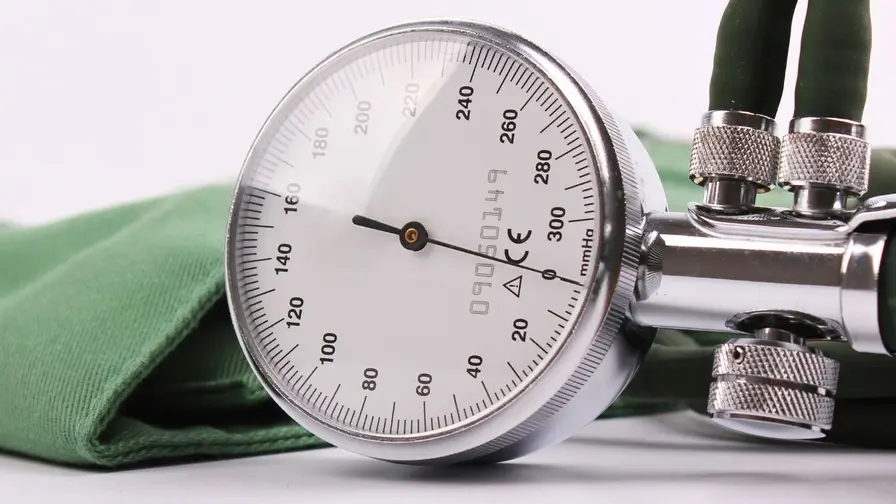
Flow-mediated dilation, a standard test that measures how well an artery widens in response to increased blood flow, improved in the supplement group compared with placebo. Remarkably, a detectable improvement showed up just one hour after the first dose and persisted at the six-month measurement. Pulse wave velocity, the speed of the pressure wave through the arteries and a proxy for arterial stiffness, was slower in the supplement group by an adjusted 1.18 meters per second at six months. Systolic blood pressure was lower too, by about 6.1 millimeters of mercury after six months, with a small difference apparent immediately after the initial dose.
Why does any of this matter? Because even modest, sustained falls in systolic blood pressure have been associated in large population studies with fewer cardiovascular events. A sustained 5 mmHg drop, for example, has been linked to roughly a 10 percent reduction in major cardiovascular outcomes in previous research. But this trial did not measure heart attacks, strokes, or deaths; it measured markers that correlate with risk.
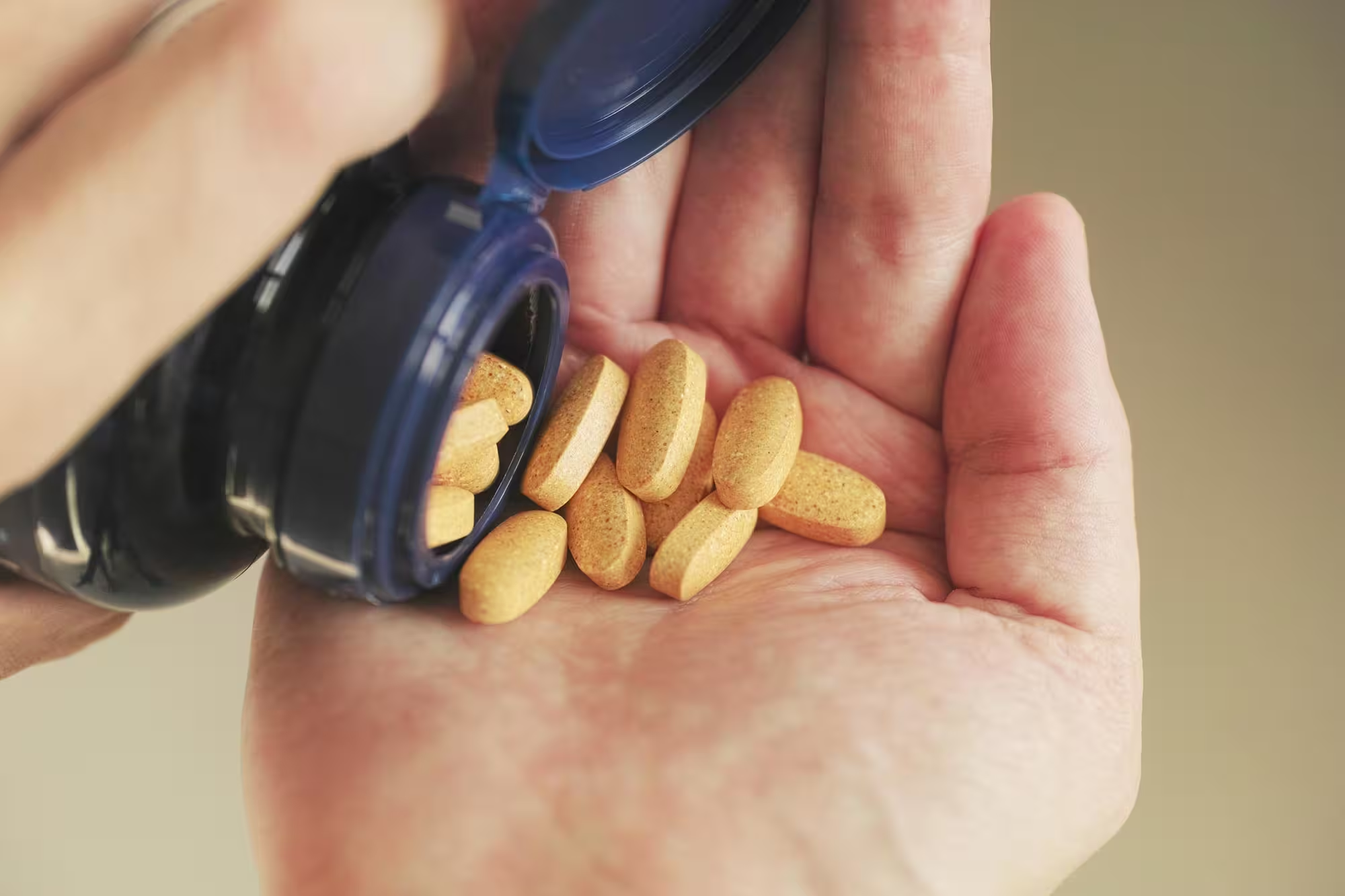
What’s inside the pill and why it was chosen
NOVOS Core blends a dozen ingredients selected to hit several aging-related pathways at once. The mix includes amino acids and metabolites such as glycine, magnesium malate, and calcium alpha-ketoglutarate; joint-supporting glucosamine sulfate; antioxidants and bioactives such as vitamin C, fisetin, pterostilbene, and small amounts of lithium; calming L-theanine; hyaluronic acid for extracellular matrix support; and plant extracts like Rhodiola rosea and ginger.
The investigators framed the approach within geroscience: the idea that aging arises from multiple interacting molecular and cellular processes rather than a single culprit. By addressing several of those processes simultaneously, they hypothesized the supplement might produce measurable changes in organs and systems that deteriorate with age, the cardiovascular system among them.
Not all markers changed. Blood lipid levels, including cholesterol, stayed largely the same, suggesting the vascular improvements were not driven by improved lipid profiles. That points toward effects on endothelial function, inflammation, or vascular signaling as plausible mechanisms, but the trial did not dissect those pathways in detail.
Limitations and what remains unresolved
This is a small study. Small studies can produce promising early signals; they can also overestimate effects or capture chance findings. The endpoints were surrogate biomarkers, useful and informative but not substitutes for clinical outcomes. We do not yet know whether the observed changes would translate into fewer heart attacks, strokes, or longer lives. Nor is it clear which ingredient or combination drove the early and sustained responses.
There is also the practical question of safety and reproducibility. The trial reported no meaningful changes in standard blood chemistry or lipid panels, but longer-term safety data from larger and more diverse populations are essential before drawing firm conclusions or recommending widespread use.
Expert Insight
Dr. Elena Morris, a cardiovascular epidemiologist (fictional for commentary purposes), says the results are intriguing but provisional. "Seeing an acute signal within an hour is unusual and suggests an effect on vascular tone or signaling pathways rather than structural remodeling," she explains. "However, translation from improved vascular biomarkers to fewer clinical events requires much larger, longer trials. This study opens a door but does not close the question."
Professor Christian Heiss and colleagues described their findings as an encouraging proof of concept that a multitarget nutritional approach can change vascular health markers. The trial name STAMINA was cited by the investigators as a step toward testing geroscience-inspired interventions in people rather than only in cells or animals.
Conclusion
The University of Surrey study delivers a clear, compact observation: a multitarget anti-aging supplement produced rapid and sustained improvements in several vascular biomarkers in a small group of adults. The signal is worth following. But caution is necessary. Larger randomized trials that measure clinical outcomes and explore mechanisms are required before declaring a new preventive strategy for cardiovascular disease. For now, the study adds an intriguing data point to the growing conversation about whether targeting the biology of aging can yield measurable benefits for heart and vessel health.

“The cosmos has always fascinated me. I write about space missions, astronomy, and the technologies pushing humanity beyond Earth.”

Discussion
Leave a Comment
Comments
No comments yet. Be the first.