

You barely notice it until it speaks loudly: a racing heart at a party, a hollow ache that feels like hunger, the simmer of heat that says take off your coat. That quiet, continuous conversation inside your body is not poetic metaphor. Scientists call it interoception, the brain's ongoing readout of internal signals, and evidence is mounting that it does far more than keep us alive.
How the body talks back
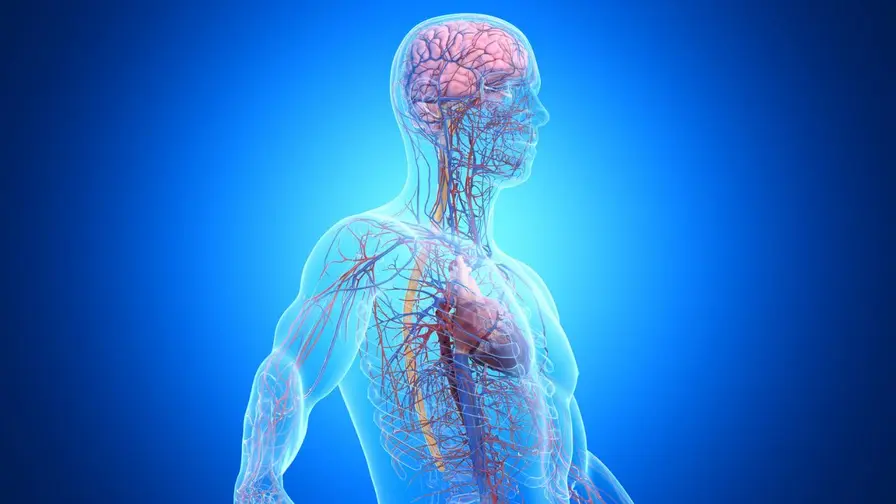
Interoception names the capacity to sense and interpret internal bodily states. Think heartbeat, respiration, gut sensations, temperature and the subtle tension in muscles. These inputs arrive as neural traffic to brain regions that sort whether a situation is comfortable or threatening, calm or alarming. In many ways, interoception is the thermostat of the mind: it helps regulate appetite, fluid balance, sleep and the immediate decisions that preserve homeostasis.
Psychologists Jennifer Murphy and Freya Prentice summarized this neatly in a 2022 review: we rarely pay attention to these signals, yet they are critical for keeping systems in balance, from prompting a drink when thirsty to loosening a layer of clothing when warm. The language changes depending on the study, but the core idea repeats: internal sensing guides behavior.
That guidance can be invisible until it is missing or distorted. Consider anxiety. For some people an awareness of a faster heartbeat during a conversation becomes proof that the situation is unsafe. The body signals are amplified and interpreted as threat. For others, weak or noisy internal signals mean the brain misreads the environment, producing its own emotional noise. Both pathways can undermine mental wellbeing.

Evidence, controversies and surprising experiments
Not all research points in the same direction, but several strands are persuasive. A meta-analysis of 93 studies by Murphy and Prentice reported sex differences in interoceptive accuracy, with women generally showing lower performance on heart-related tasks. This pattern could help explain why mood and anxiety disorders rise more sharply in females after puberty, though causality remains unclear and the relationship is complex.
Other experiments look at how internal awareness stabilizes mood. A recent trial published in eBioMedicine found that people who accurately track internal cues such as hunger show fewer mood swings when their meals are delayed. They still feel hunger, the study authors wrote, but their emotions remain steadier. That resilience appears linked to precise internal sensing rather than to an absence of sensation.
Perhaps the most striking work comes from clinical research into anorexia nervosa. Researchers at UCLA used an ingestible vibrating capsule to probe gut sensations. Their findings suggested that some individuals with anorexia have altered processing of gut signals, not simply deliberate ignoring of those cues. As senior author Sahib Khalsa noted, the nervous system may process gut sensations in a way that makes them harder to detect or trust. That altered processing could persist even after weight normalizes, helping to explain why recovery can be so resistant to relapse.
At the same time, skepticism has a place. A provocative 2024 opinion piece led by Felix Schoeller argued that the label interoception risks flattening diverse phenomena into a single category. Barry Smith and other philosophers propose humans possess many sensory modalities beyond the classic five, perhaps dozens, and the boundaries between them remain a topic of debate rather than settled fact.

Practical implications and early therapies
Where the science converges is on potential clinical applications. If faulty internal sensing contributes to anxiety, depression, post-traumatic stress disorder or eating disorders, then training interoceptive skills could be therapeutic. Approaches include heartbeat awareness training, paced breathing practices, and biofeedback that makes internal states externally visible. Research into these interventions is nascent, but growing.
Expert Insight
Dr. Laura Benitez, a clinical neuroscientist at a major research hospital, reflects on the measurement challenge: "Interoception is not a single thing you can measure with one test. It is a family of processes. Heartbeat detection, gut sensations, and respiratory awareness use different pathways and tell us different things. That complicates research but it also opens opportunities: targeted training can focus on the particular signal a patient struggles to read."
Benitez emphasizes caution alongside optimism. Clinical tools such as vibratory capsules, wearable cardiac sensors and immersive biofeedback can help clinicians map an individual's interoceptive profile. In time, she predicts, these assessments will inform personalized therapies that complement psychological interventions.
Conclusion
We are only beginning to chart the terrain of inner sensing. The evidence suggests interoception plays a role in mental health, but the field also faces conceptual and methodological hurdles. Is interoception one coherent sense or a cluster of related processes? How do sex, development and culture shape internal awareness? Answers matter because they shape how clinicians diagnose and treat disorders where body and mind collide.
For now, a practical take-home is simple: paying attention to the subtle language of the body can yield real information. Therapies that sharpen that listening may become essential tools in mental health care. The sixth sense? Maybe not a single sense, but a crucial channel in the conversation between brain and body that we ignore at our peril.


“The cosmos has always fascinated me. I write about space missions, astronomy, and the technologies pushing humanity beyond Earth.”

Discussion
Leave a Comment
Comments (2)
is this even one sense tho? feels like a mix of many signals shoved together. curious if training heartbeat awareness actually helps or is that just placebo? quick thought
wow, the vibrating capsule bit blew my mind. Gut sensations as misunderstood signals.. kind of creepy but hopeful. I think I ignore my body too often, and that could explain some panic moments, hmm