
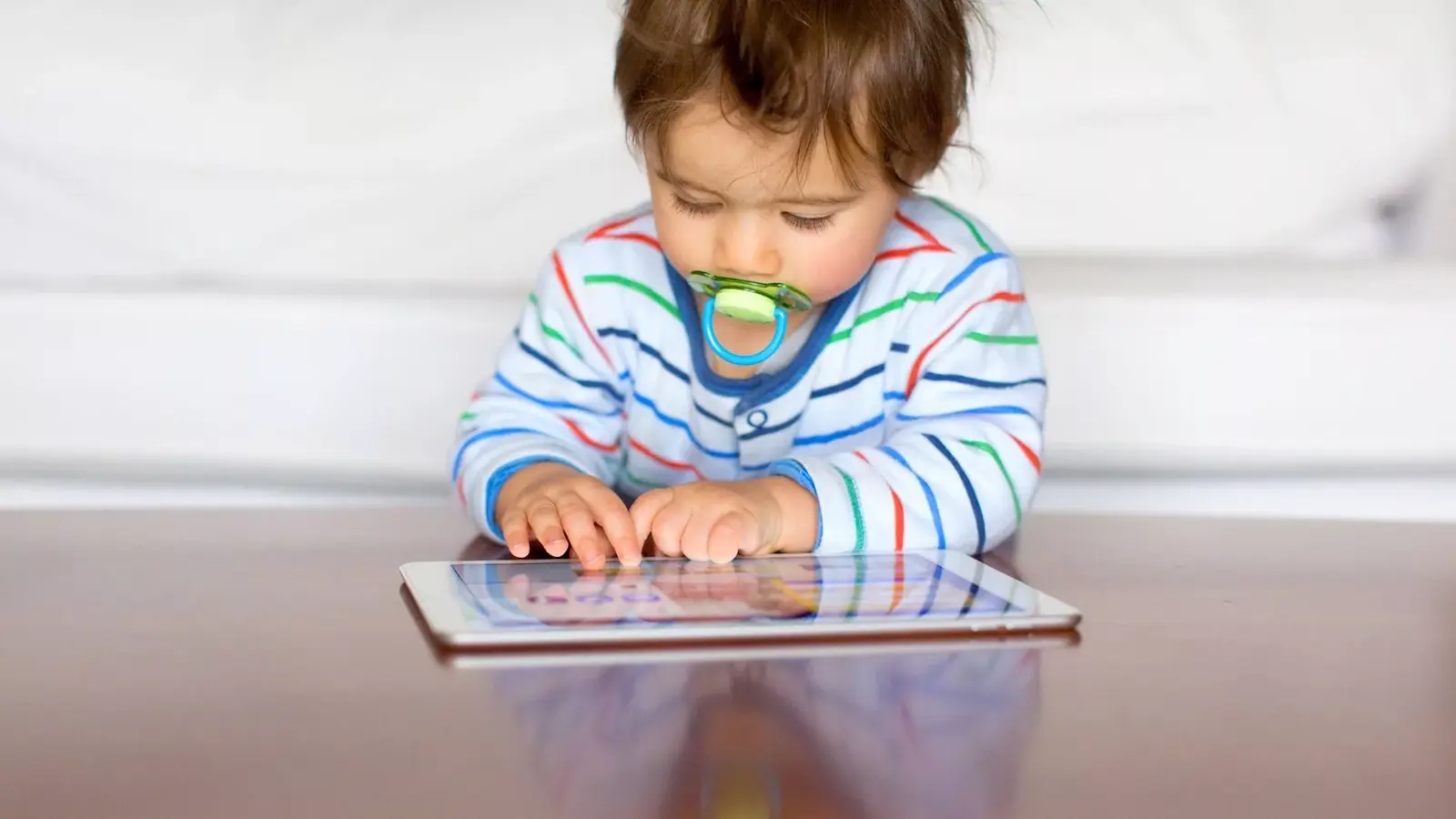
A glowing screen calms a crying baby. Quick fix. Dangerous habit.
New research from four UK universities warns that routine screen exposure for infants and toddlers under two years old is linked with a range of worrying outcomes: weaker emotional bonding with caregivers, reduced time for active play with peers, delayed language acquisition, disrupted sleep, and potential impacts on vision and weight.
Policy makers have rightly focused on teenagers and social media. But that emphasis has left a blind spot. Infants are now quietly becoming a frontline concern. A Guardian report summarised the study and its implications for public health and parenting norms. Scientists are careful: they have not established direct causation in every case. Still, the pattern is consistent enough that the researchers argue routine, voluntary use of phones and tablets by children under two should be avoided.
Why? The infant brain is exquisitely sensitive. Early life is a period of rapid neural wiring. Screens provide a type of stimulation that is intense but shallow. Fast images and reactive apps do not substitute for face to face exchange. They cannot mimic the timing, tone, and contingency of a caregiver’s gaze and voice. The result: less opportunity for the back-and-forth interactions that drive language development and social learning.

What policymakers and parents need to know
One clear concern raised by the study is sleep. Screens can overstimulate young brains and alter sleep architecture, making it harder for infants to fall and stay asleep. Short nights affect mood and learning. Another issue is that devices are often used as a behavioral tool: a pacifier in pixel form. Parents reach for a phone to soothe, not because they want to teach screen habits, but because modern life is demanding and devices are convenient. That convenience has consequences.
Researchers stress nuance. They do not intend to blame caregivers. Instead they call for systemic change: better guidance for families, technology firms taking more responsibility for how devices are designed and marketed, and public health campaigns that engage parents without shaming them. The first thousand days of life are a critical window. Interrupting key experiences during that period can have long ripple effects.
Practical steps are straightforward and evidence based. Prioritize human interaction: more talk, more touch, more play that involves movement and joint attention. Limit background screen exposure. Create device-free routines around meals and bedtime. Health services and early childhood programs should include clear, empathetic messaging about neurodevelopment, language acquisition, and the role of sleep in cognitive growth.
As one study author noted, parenting today is done in public and online. The solution cannot be moralizing. It must be structural: supportive policy, responsible tech design, and practical guidance for families. Small changes in everyday routines can protect the fragile, remarkable work of a child’s brain as it builds the foundations for lifelong learning.


“My work centers on sustainability, energy, and environmental science — examining how innovation can lead to a greener future.”

Discussion
Leave a Comment
Comments (2)
Is the link to vision and weight strong tho? Could be confounders, socioeconomic stuff etc, quick take: cautious agree on bedtime limits but show me causation proof?
Wow never thought screen calmers were THAT risky for babies. Makes me nervous as a parent, reality is messy and parents need help not shame… practical support pls