
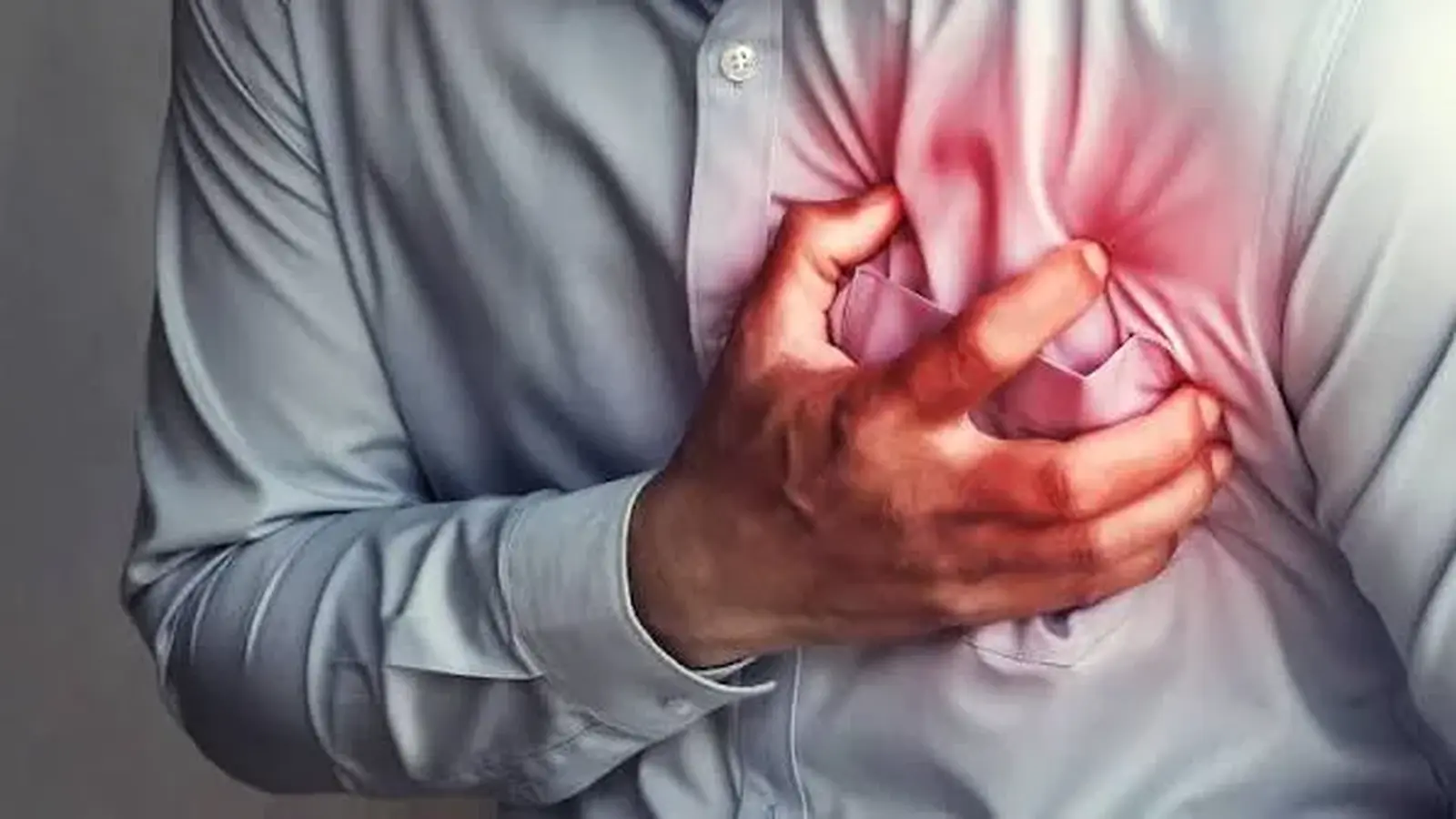
The operating room at Nanjing Drum Tower Hospital must have felt like a crossroads between present-day cardiology and a future many clinicians have long imagined. Ten patients with advanced heart failure received a bold treatment: their own cells were reset and repurposed to rebuild damaged heart muscle.
Inside the trial
Researchers converted each patient’s body cells into induced pluripotent stem cells, commonly called iPSCs, then guided those iPSCs to become heart muscle cells. Surgeons injected the new cardiac cells directly into injured areas of the myocardium. Another ten patients, matched for disease severity, went through standard coronary artery bypass surgery and served as the control group.
What the team measured
- Symptoms such as breathlessness, fatigue, leg swelling and chest pressure
- Functional capacity, including the six-minute walk test
- Cardiac performance by imaging and laboratory tests, with attention to the volume of blood pumped per heartbeat

After 12 months, nine of the ten patients treated with autologous iPSC-derived cardiomyocytes showed marked improvement. Symptoms dropped to a mild level, daily activities returned to normal for most, and chest tightness and breathlessness eased. The six-minute walk distance improved roughly twice as much as in the control group. Average stroke volume increased, indicating more blood moved with each beat.
In the control arm, about 60 percent reached comparable improvement and sadly one patient died eight months after surgery. No severe adverse events were reported among the stem-cell recipients. Two patients experienced notable fast heart rhythm that peaked two to three weeks after treatment and resolved completely.
This small trial suggests autologous iPSC-derived cardiomyocytes can significantly improve cardiac function with acceptable short-term safety.
So why does this matter? Heart transplant remains the only definitive solution for many end-stage heart failure patients, yet donor organs are scarce. A therapy that encourages the heart to regrow functional muscle could reduce the need for transplants and change how clinicians approach chronic heart failure.
Risks, questions and next steps
Promising as the results are, the study is small. Big questions persist. Will benefits last beyond a year? Could rare complications emerge later, such as arrhythmias or uncontrolled cell growth? Scaling production of patient-specific iPSCs and ensuring consistent quality are nontrivial hurdles. Regulatory pathways will need robust data from randomized, multicenter trials before this becomes standard care.
The research team emphasized cautious optimism, noting that larger studies are required to define the true risk-benefit profile. If replicated, these findings could mark a major step in cardiac regeneration therapy and offer hope to millions living with heart failure.

“The cosmos has always fascinated me. I write about space missions, astronomy, and the technologies pushing humanity beyond Earth.”

Discussion
Leave a Comment
Comments
No comments yet. Be the first.