
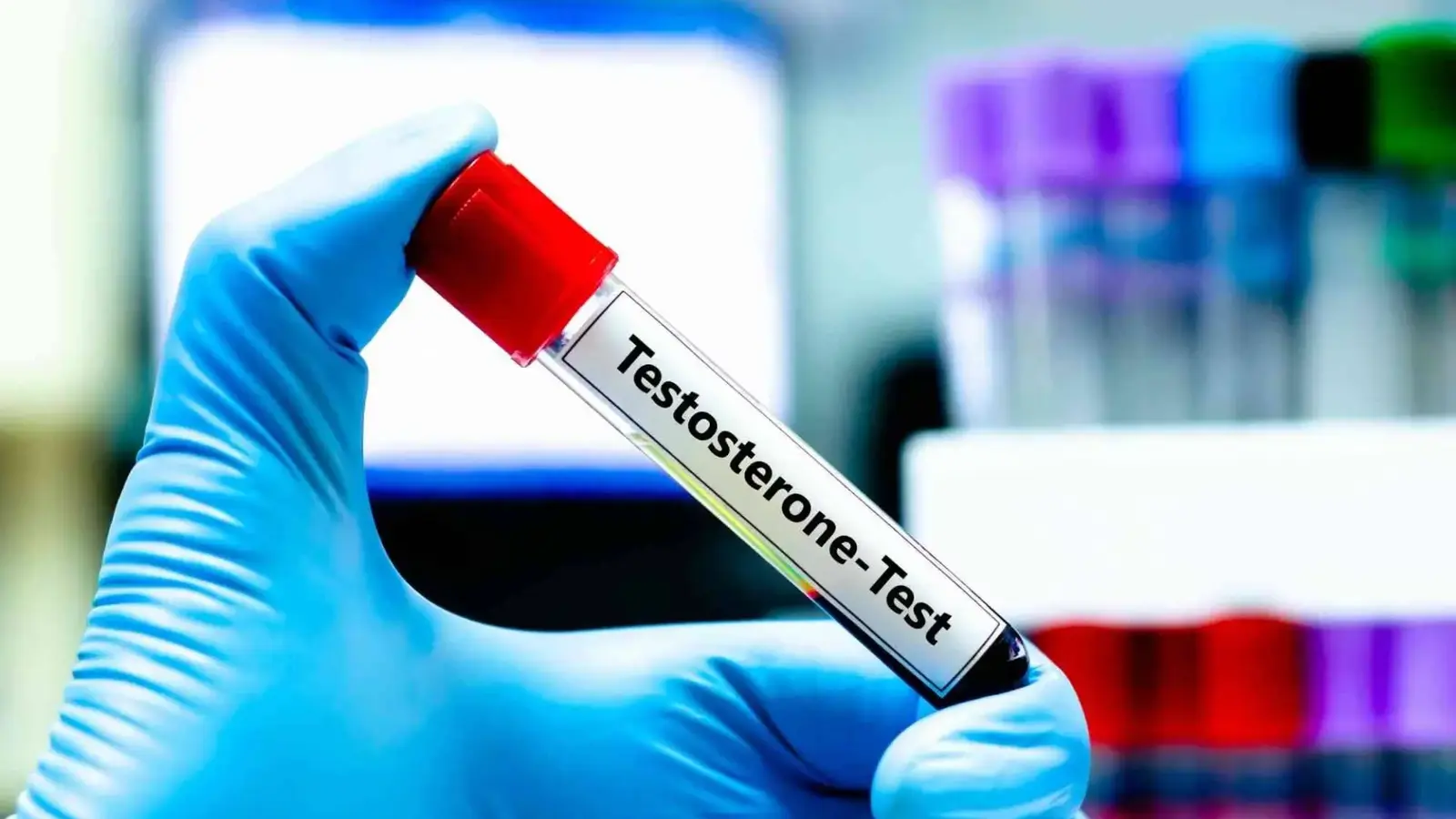
He felt tired, blamed it on age, then later learned that a routine blood test might have signaled something more serious. That single data point, a low testosterone reading, is now part of a growing story linking hormones to long-term health outcomes.
Large pooled study points to a threshold effect
A multinational analysis combining 11 long-term studies has found that men with lower circulating testosterone face a higher probability of both being diagnosed with cancer and dying from it later in life. The investigators pooled data from more than 26,000 men who were followed for at least five years. What stands out is not a smooth gradient but a threshold: below roughly 8.6 nanomoles per liter, cancer mortality rose noticeably, while cancer incidence increased below about 7.3 nanomoles per liter.
Those cutoffs are not arbitrary. The team used statistical models to detect where risk began to climb, rather than assuming a linear relationship. The pattern persisted even after adjusting for age and other health conditions. In other words, low testosterone did not simply track older or sicker men; it carried signals beyond those conventional risk factors.
But correlation is not causation. The authors, including endocrinologists from the University of Western Australia and other centers, caution against jumping to simple conclusions. Low testosterone might be a biomarker of poorer overall health, or a consequence of underlying processes that also raise cancer risk, rather than a direct cause of tumors.
What this means for men and clinicians
Should men rush to buy supplements? No. The researchers explicitly warn against self-prescribing testosterone. Unsupervised hormone use can carry harms and will not necessarily reduce cancer risk. Instead, a low reading should trigger clinical follow-up. It might prompt a broader assessment for comorbidities, lifestyle factors, or early disease processes that could be influencing hormone levels.
Interestingly, the study did not find a clear relationship between testosterone and prostate cancer, despite the prostate gland's hormonal sensitivity. That was unexpected to some experts. Other hormones, however, showed associations: sex hormone-binding globulin (SHBG) and luteinizing hormone correlated with higher prostate cancer detection in this dataset. Those signals hint at complex endocrine interactions rather than a single villain.

Practically speaking, clinicians may soon consider sex-hormone panels as part of a risk-profiling toolbox, especially for men with unexplained fatigue, weight loss, or other systemic signs. But any screening program must balance benefits against harms, and randomized trials would be needed before recommending hormone replacement to prevent cancer.
The findings appear in The Lancet Healthy Longevity, adding weight because of the journal's focus on aging and long-term health trajectories. The analysis benefits from large numbers and diverse cohorts, yet residual biases and unmeasured confounders could still influence results. For example, infections, chronic inflammation, or medications that lower testosterone might also affect cancer risk, muddying cause-and-effect interpretations.
Broader scientific context
Testosterone is best known for its role in reproductive function and muscle mass. But hormones are systemic messengers. They regulate metabolism, immune responses, and cellular repair. When one of those messengers falls out of its typical range, a cascade of pathways can be altered. The new study adds to literature suggesting that hormone levels reflect more than reproductive health; they offer a window into aging biology and disease susceptibility.
Researchers advise integrating hormonal data with other biomarkers, such as inflammatory markers, metabolic panels, and lifestyle measures, to build a more complete risk picture. That multi-layered approach could improve early detection strategies and personalize prevention efforts.
Expert Insight
Dr. Anna Reed, a cancer epidemiologist not involved in the study, says: "This work is an important step. It reminds clinicians that a low testosterone result is not merely about libido or strength. It may warrant a broader diagnostic lens. We need prospective trials to test whether intervening on low testosterone alters cancer trajectories, but for now the value lies in risk identification and careful clinical evaluation."
Conclusion

The take-home message is cautious but clear. Low testosterone is associated with higher future risk of cancer diagnosis and cancer death, with risk rising below identifiable thresholds. That association makes low testosterone a candidate biomarker for deeper clinical assessment, not a proven target for prevention. Men with low levels should seek medical evaluation rather than self-treatment. Future research will need to untangle cause from consequence and test whether targeted interventions can change outcomes.

“The cosmos has always fascinated me. I write about space missions, astronomy, and the technologies pushing humanity beyond Earth.”

Discussion
Leave a Comment
Comments (2)
Interesting study but is low testosterone a cause or just a marker? Confounding everywhere, need randomized trials not hype. idk
Low T could mean more than just tiredness... wow. Scary but useful. Don't self medicate, see a doc, they need to look deeper