
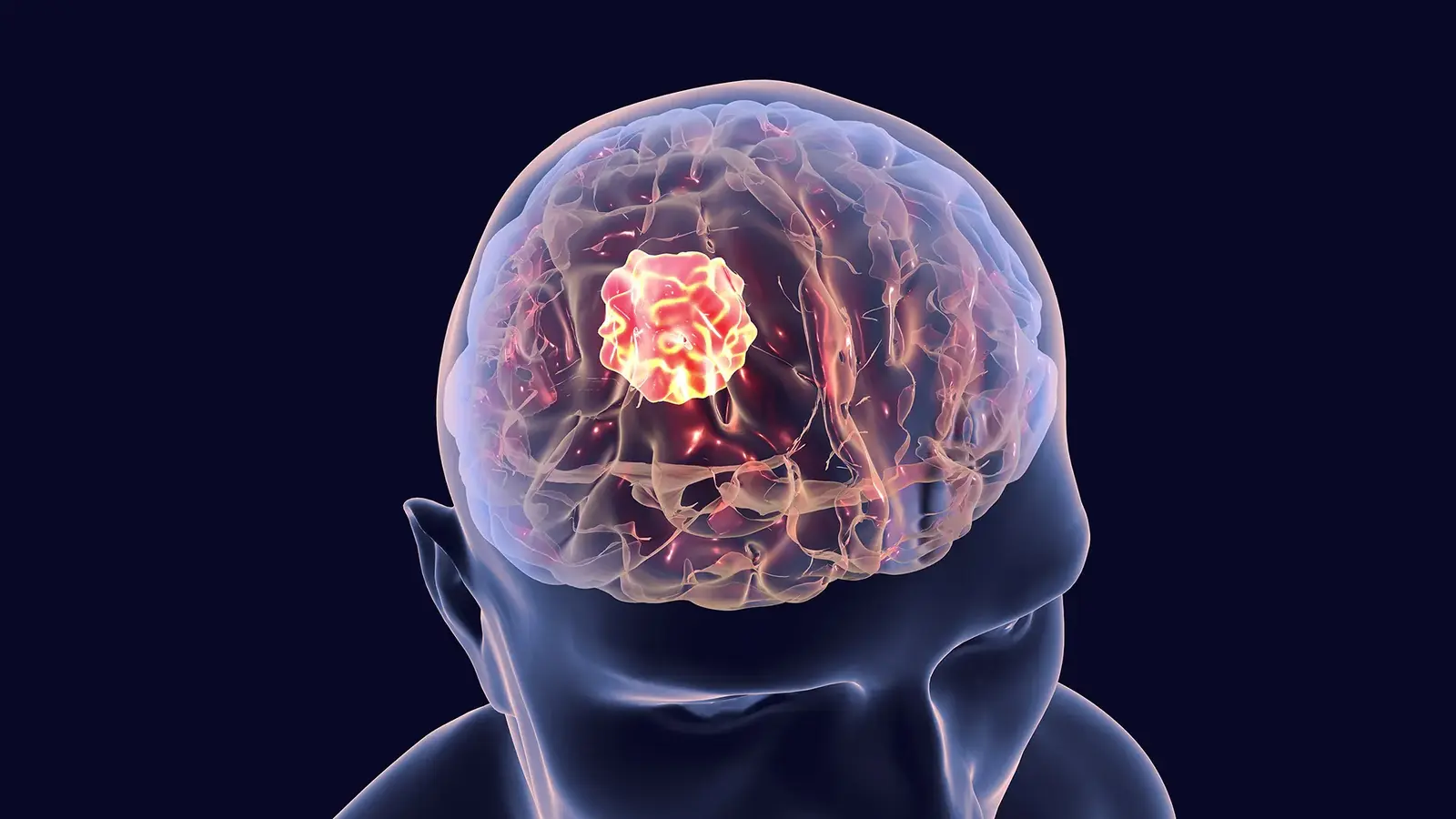
Tiny, sugar-clad couriers slipped past the brain's sentries and changed the clock on a lethal tumor. That image captures work from researchers at Oregon State University who have retooled lipid nanoparticles to cross the blood-brain barrier and preferentially home to glioblastoma cells.
A sweet disguise for a deadly tumor
Glioblastoma is ruthless. Fewer than 5 percent of patients survive five years after diagnosis. A central reason: the blood-brain barrier, a membrane that protects neural tissue by blocking most circulating drugs. Even when therapies breach that barrier, they often fail to accumulate in cancer cells while leaving healthy tissue unharmed.
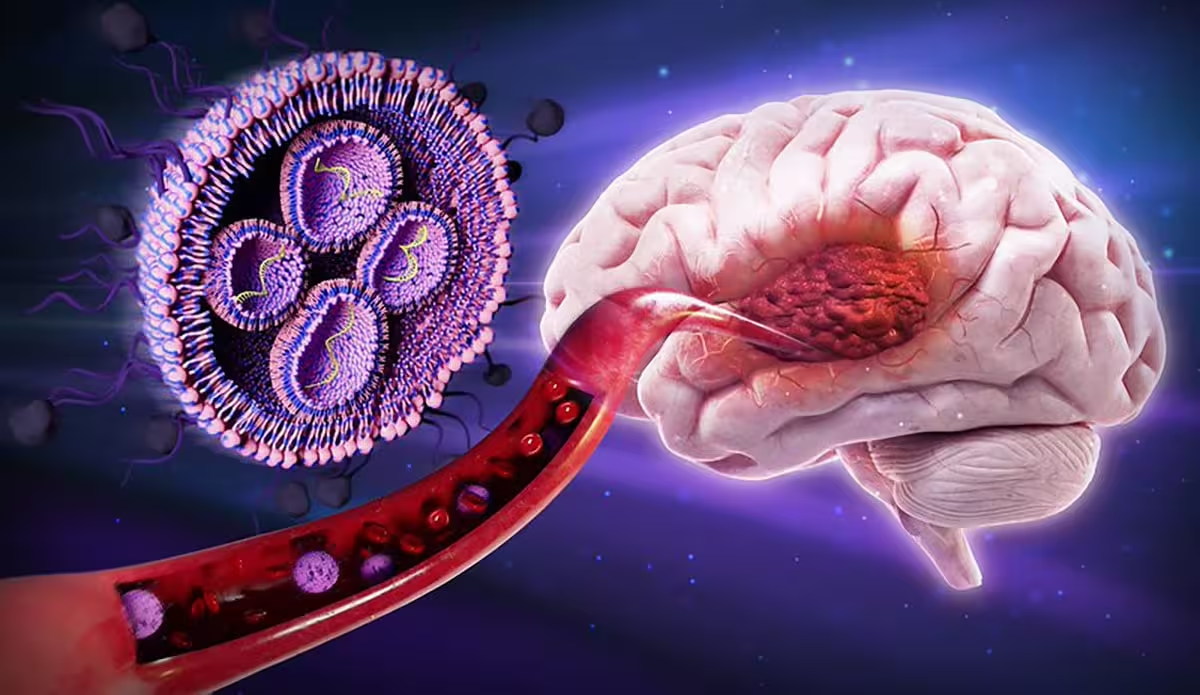
The OSU team took a biochemical detour around that obstacle. They wrapped fat-based nanoparticles in mannose, a sugar similar to glucose, and used the brain’s own glucose transporter as a doorway. GLUT1, a protein in the brain endothelium, normally ferries glucose into the central nervous system. It recognizes mannose as well, creating a potential route for targeted entry.
There was a catch. Blood glucose levels are high, so any mannose-decorated particle had to outcompete a steady stream of natural fuel. The solution was engineering: mannose molecules were chemically attached to cholesterol, a structural component of the nanoparticles, producing a much denser sugar layering at the surface. That density increased the particles’ chance of engaging GLUT1 and being transported across the barrier.
Delivering a genetic switch into tumors
Passing into the brain was only half the problem. The particles also needed to accumulate in tumor tissue and deliver a therapeutic payload. Glioblastoma cells are metabolically altered and express GLUT1 at far higher levels than normal neurons, which helps the mannose-coated carriers find and prefer tumor tissue.
Inside the lipid shell the team packed messenger RNA, a transient genetic instruction set. This mRNA encoded PTEN, a tumor-suppressor protein commonly lost in glioblastoma. Restoring PTEN can restore some control over cell growth and cell cycle regulation. To protect the fragile mRNA, researchers included a positively charged cholesterol derivative that stabilizes and shields the cargo during transport.
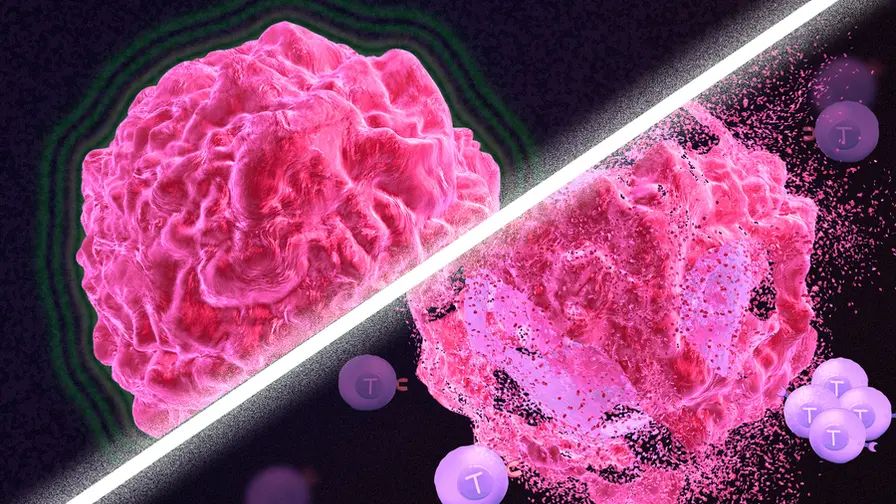
In mice bearing glioblastoma, repeated dosing of these mannose-coated lipid nanoparticles produced measurable tumor shrinkage and extended median survival by roughly 50 percent compared with untreated controls. Importantly, the study reported no detectable organ toxicity, a critical point for any systemic therapy intended to reach the brain.
Oleh Taratula, one of the lead investigators, summarized the design logic: densely packing mannose onto the particle surface was the decisive move that let the carriers compete with blood glucose and gain transport through GLUT1. Olena Taratula added that the combination of targeted entry and tumor-selective accumulation underpinned the observed therapeutic effect in the animal model.
Moving from mice to people
These results are preclinical. Mouse models are essential, but many therapies that look promising in animals encounter new hurdles in humans. Immune responses, differences in human tumor heterogeneity, and the complexity of the human blood-brain barrier itself all complicate translation.
Still, the study tackles two persistent bottlenecks in neuro-oncology: effective transport across the blood-brain barrier and preferential concentration of therapy inside tumors. The use of a metabolic mimic, mannose, to exploit an existing transporter is elegant because it leverages normal physiology rather than forcing an unnatural breach of the barrier.
Challenges ahead include scaling the chemistry for clinical-grade manufacturing, verifying safety in larger animals, and testing whether the PTEN mRNA approach can be adapted to individual tumor genotypes. Researchers will also need to monitor off-target effects, immune activation against the delivery vehicle or cargo, and the durability of any tumor response.
Expert Insight
Dr. Mira Alvarez, a neuro-oncologist not affiliated with the study, says: "Targeted delivery remains the Achilles heel of brain cancer therapy. Using a transporter that tumors already overexpress is a smart way to concentrate treatment where it's needed. The next steps should focus on reproducibility in diverse tumor models and on safety profiling. If those boxes can be checked, this approach could become a platform for delivering other therapeutic mRNAs or small molecules."
Conclusion
This work from Oregon State University offers a novel delivery strategy that uses a sugar mimic to navigate the blood-brain barrier and capitalizes on tumor metabolism to concentrate therapy. In mice, mannose-coated lipid nanoparticles carrying PTEN mRNA produced tumor shrinkage and a meaningful survival boost without detectable systemic toxicity. The path to human trials will require rigorous safety testing and optimization, but the study adds an inventive new arrow to the quiver against glioblastoma.

“The cosmos has always fascinated me. I write about space missions, astronomy, and the technologies pushing humanity beyond Earth.”

Discussion
Leave a Comment
Comments (2)
Is this even true? Mannose has to outcompete blood glucose — how realistic is that in humans. Also PTEN mRNA, repeated doses, immune effects... if it's real then
Whoa mannose cloaks? That sweet courier image stuck with me. If mouse results translate to ppl this could be huge, but scaling chemistry and immune responses worry me. fingers crossed