
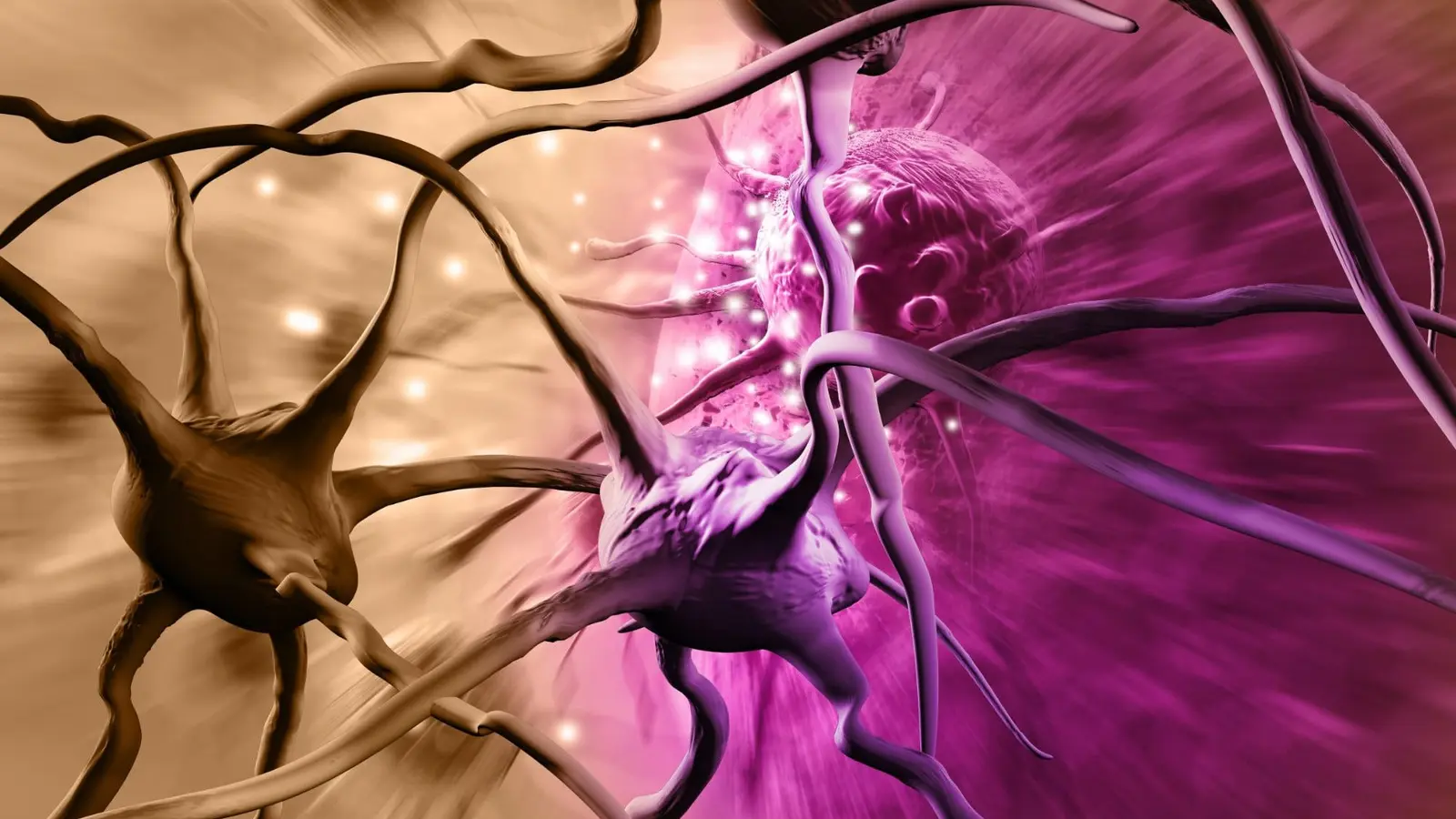
Imagine a vaccine that trains a young immune system to spot and destroy hidden cancer cells like a bloodhound tracking a scent. That is the snapshot emerging from a new preclinical study at RCSI University of Medicine and Health Sciences, where researchers report dramatic tumor shrinkage in models of neuroblastoma, one of the most lethal childhood cancers.
How the vaccine trains the immune system
The team, led by Dr. Olga Piskareva in the Department of Anatomy and Regenerative Medicine, adapted mRNA technology—the same platform behind some COVID-19 vaccines—to teach immune cells to recognize a surface protein common to neuroblastoma cells. In laboratory models the experimental vaccine delayed tumor growth by 10 to 11 days and reduced tumor volume by roughly 70 percent.
Peptide nanoparticles and a precise target
Instead of the lipid nanoparticles that many mRNA vaccines use, the RCSI group packaged mRNA inside self-assembling peptide nanoparticles. These tiny structures act like delivery drones, ferrying genetic instructions into cells while guiding the immune response toward Glypican 2, or GPC2, a protein abundant on neuroblastoma cells. Because GPC2 is also expressed in several other tumor types, the approach could be adapted beyond childhood neuroblastoma.
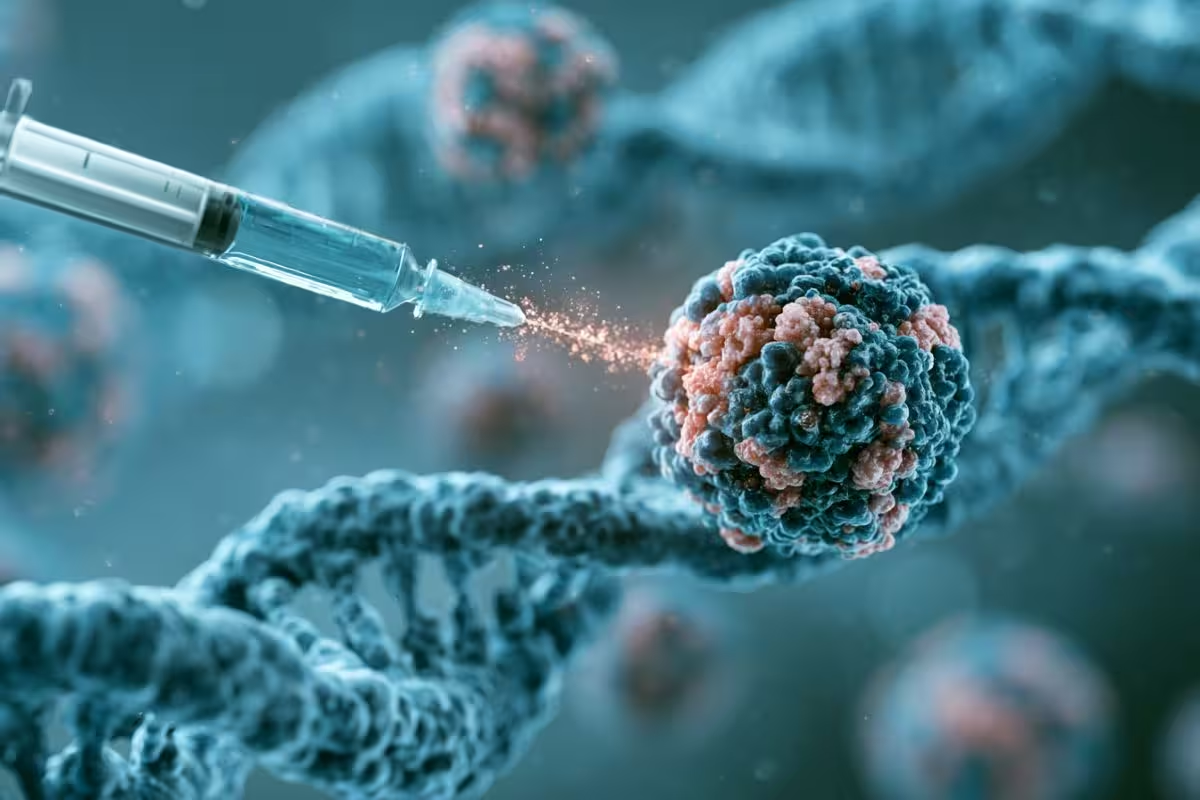
Why GPC2? Think of it as a distinctive flag on the tumor’s exterior. Target the flag and the immune system can differentiate cancerous cells from healthy tissue with higher precision, improving the odds of a meaningful response while limiting collateral damage.
Dr. Piskareva summed up the concept with a simple metaphor: "The mRNA vaccine technology is like LEGO bricks. By combining different bricks, we can tailor the vaccine to individual needs with high precision." She called the work a pilot study and a first milestone on a long road toward anticancer vaccines for children and families facing neuroblastoma.
Neuroblastoma starts in immature nerve cells and primarily affects infants and toddlers. Even with advances in surgery, chemotherapy, radiation and immunotherapies, high-risk and recurrent neuroblastoma remain difficult to cure and account for about 15 percent of childhood cancer deaths. In Ireland, around five to ten children receive a diagnosis each year, and many of those cases do not respond to current treatments.
Relapse is the toughest challenge. When neuroblastoma returns it often becomes resistant to standard therapies. That is why strategies that retrain the immune system—rather than relying solely on cytotoxic drugs—are attracting attention among researchers.
Conclusion
This study represents an early but encouraging proof of principle: mRNA vaccines, packaged in peptide nanoparticles and directed at GPC2, can provoke an immune response that meaningfully slows tumor growth and shrinks existing tumors in preclinical models. Important caveats remain. These are laboratory results, not yet tested in humans. Safety, dosing, delivery and long-term effects must be established in clinical trials before any promise translates to approved pediatric treatments.
Still, the findings expand the toolkit for cancer immunotherapy and point to a modular platform that could be customized for different tumors. For families and clinicians facing neuroblastoma, the work offers a measurable reason for cautious optimism: a new approach that may one day help turn an often-fatal diagnosis into a treatable condition.

“The cosmos has always fascinated me. I write about space missions, astronomy, and the technologies pushing humanity beyond Earth.”

Discussion
Leave a Comment
Comments (2)
hmm is the 70% shrinkage real or tweaked? preclinical models often overpromise, need human trials and safety data, hopeful but skeptical
wow this could be huge for kids, GPC2 mRNA in peptide nanoparticles sounds brilliant but i'm nervous, just lab data so far…