
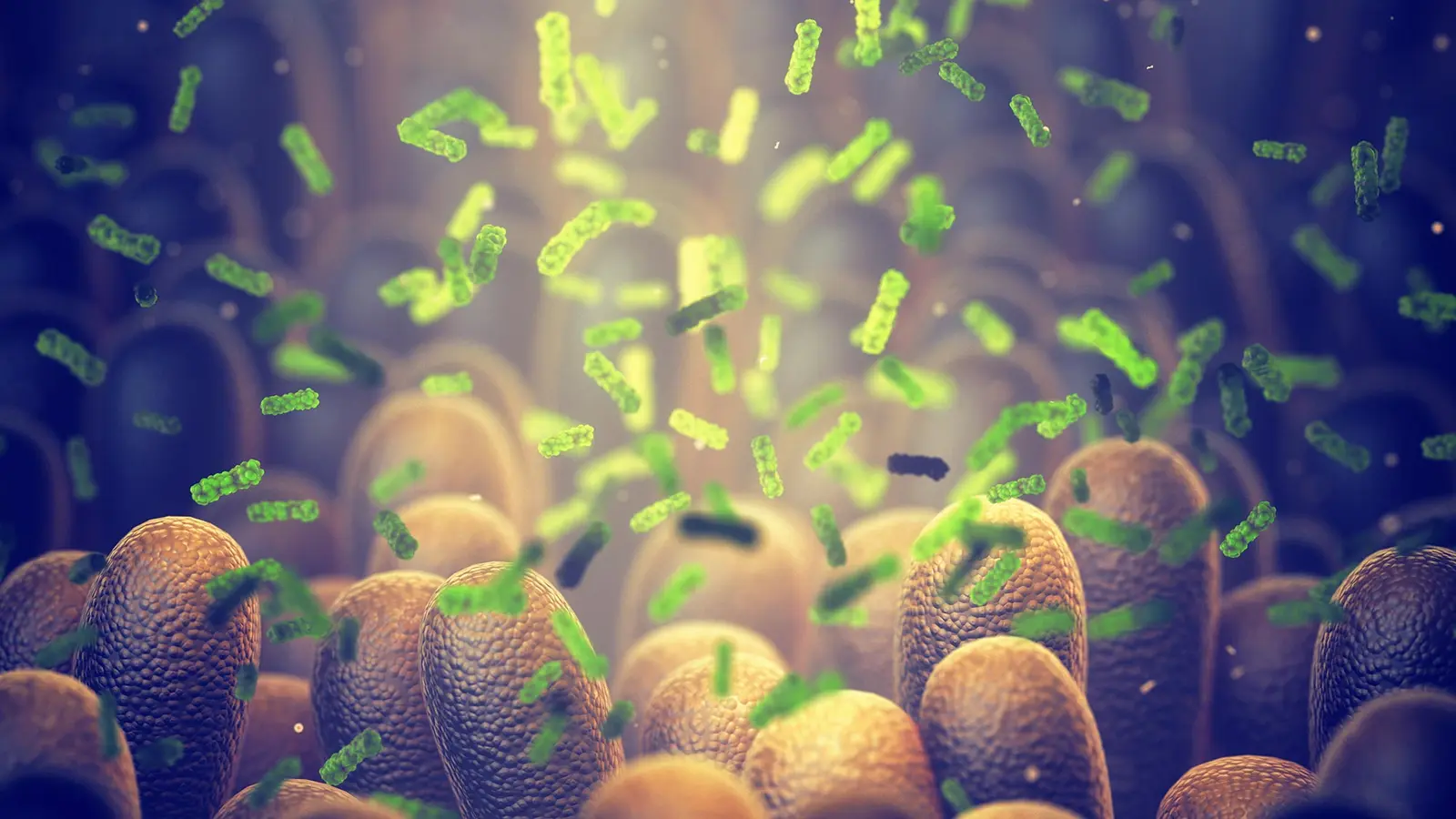
What if a handful of berries could spark a repair crew inside your intestine? Picture tiny chemical couriers, born when gut microbes feast on pomegranate and walnut compounds, delivering signals that tell the lining of your gut to heal itself. It sounds almost poetic. Yet researchers at the University of Louisville say it may be real—and clinically meaningful.
Researchers have identified a diet–microbe signaling pathway that may protect damaged intestinal tissue. The discovery could help inspire more targeted approaches to inflammatory bowel disease.
How microbes turn fruit into a signal
The molecule at the center of this story is urolithin A, often abbreviated UroA. You will not find UroA sitting in a pomegranate. It is a microbial metabolite, produced only after certain gut bacteria break down plant compounds called ellagitannins and ellagic acid. Eat the same food as someone else, and you might not make the same amount of UroA. Your microbiome writes the recipe.
UroA matters because it engages a cellular sensor known as the aryl hydrocarbon receptor, or AHR. AHR reads chemical signals from the environment, diet, and microbes. Depending on who flips its switch and when, AHR can be a villain or a guardian. Pollutants turn it toward harm. In this case, a microbial metabolite nudges it toward repair.
The University of Louisville team found that UroA activates AHR selectively in intestinal epithelial cells, the very cells that form the gut’s protective surface. That activation then triggers the NLRP6 inflammasome, a molecular complex often associated with inflammatory responses. But here is the twist. Instead of driving a damaging, runaway inflammation, the inflammasome released controlled signals that boosted mucus production, antimicrobial defenses, and mechanisms involved in tissue repair.
From cells to human tissue: why context matters
That distinction is crucial. Immune pathways are not intrinsically good or bad. They are context dependent. In the wrong cell or at the wrong time, the same pathway can shred tissue. In the right cell and with the right trigger, it can stitch tissue back together.
To test this, the investigators used multiple experimental systems: cultured intestinal cells, three-dimensional organoids that mimic tissue architecture, and actual intestinal samples taken from patients with inflammatory bowel disease. Across these models, UroA engaged the same protective cascade. The work, published in Nature Communications, was led by Venkatakrishna Rao Jala in the Department of Microbiology and Immunology.

A naturally occurring microbial metabolite from pomegranates, walnuts, and berries helps protect the gut barrier.
“This study shows, for the first time, how a natural microbial product works together with the body’s response to control complex molecular and cellular processes during intestinal injury,” the authors wrote. Sweta Ghosh, who served as lead investigator on the project, emphasized that not every inflammatory pathway needs suppression. Activation, when targeted, can be therapeutic.
Implications for IBD therapy and future research
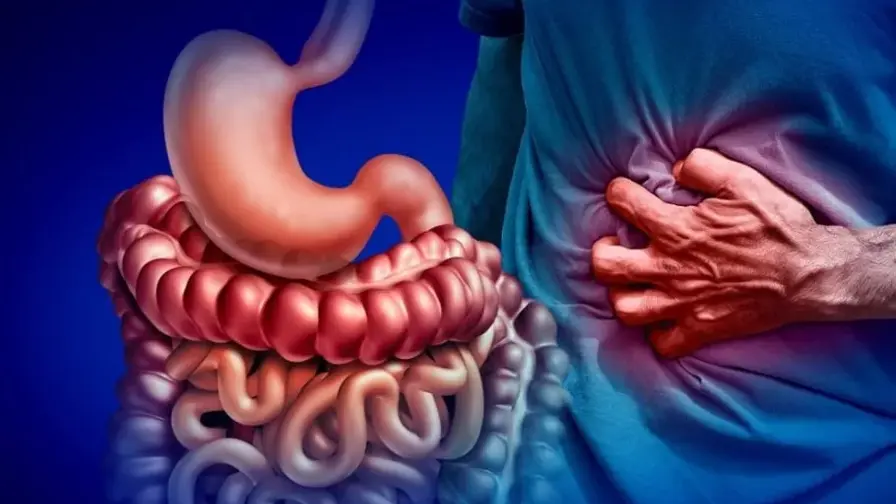
Inflammatory bowel disease, which includes Crohn’s disease and ulcerative colitis, often begins with a breakdown in the gut’s barrier. When that barrier fails, microbes and irritants slip into tissues where they do not belong, fueling chronic inflammation. Most current medicines focus on damping immune activity. That helps many patients, but it can also blunt useful defenses.
The UroA findings point to a different strategy: restore the gut’s own repair programs in specific cells, rather than globally silencing immunity. Practically, this raises several research directions. Which bacterial species reliably produce UroA? Can diet, prebiotics, probiotics, or microbial therapeutics boost UroA production in patients who lack the right microbes? Are there synthetic molecules that mimic UroA’s beneficial effects but avoid undesirable AHR activation elsewhere in the body?
Those questions matter because UroA is not a ready-made therapy. Its presence depends on an individual’s microbial community. Two patients with identical diets may produce very different levels of this metabolite. Precision matters.
Expert Insight
Dr. Laura Mendes, a gastroenterologist and translational researcher unaffiliated with the study, calls the work a clever example of systems thinking. "This research reframes inflammation as a tool that can be repurposed rather than simply suppressed," she said. "For patients, that could mean treatments tailored to restore barrier function directly. The challenge will be translating a molecule that acts locally in the gut into a safe, controllable treatment for diverse patient populations."
The study also serves as a reminder that receptors like AHR have many faces. AHR can mediate toxicity when hijacked by environmental pollutants. That history raises a red flag: any therapeutic strategy must be cell-specific and precisely dosed. The same door that lets in helpful instructions can also admit mischief if opened to the wrong messenger.
Research now must move from mechanism to medicine. Animal models and human trials will be necessary to test whether boosting UroA production or delivering targeted AHR activators can reduce flares, promote healing, and improve long-term outcomes without new risks.
Final perspective
We are still a long way from prescribing pomegranate smoothies as a cure for IBD. Yet this study rewires how researchers think about diet, microbes, and immune signaling intersecting to support tissue repair. For a disease rooted in a broken barrier, the most promising approaches may be those that help the gut rebuild its own defenses, guided by signals made in the tiny factories of the microbiome.


“The cosmos has always fascinated me. I write about space missions, astronomy, and the technologies pushing humanity beyond Earth.”

Discussion
Leave a Comment
Comments
No comments yet. Be the first.