
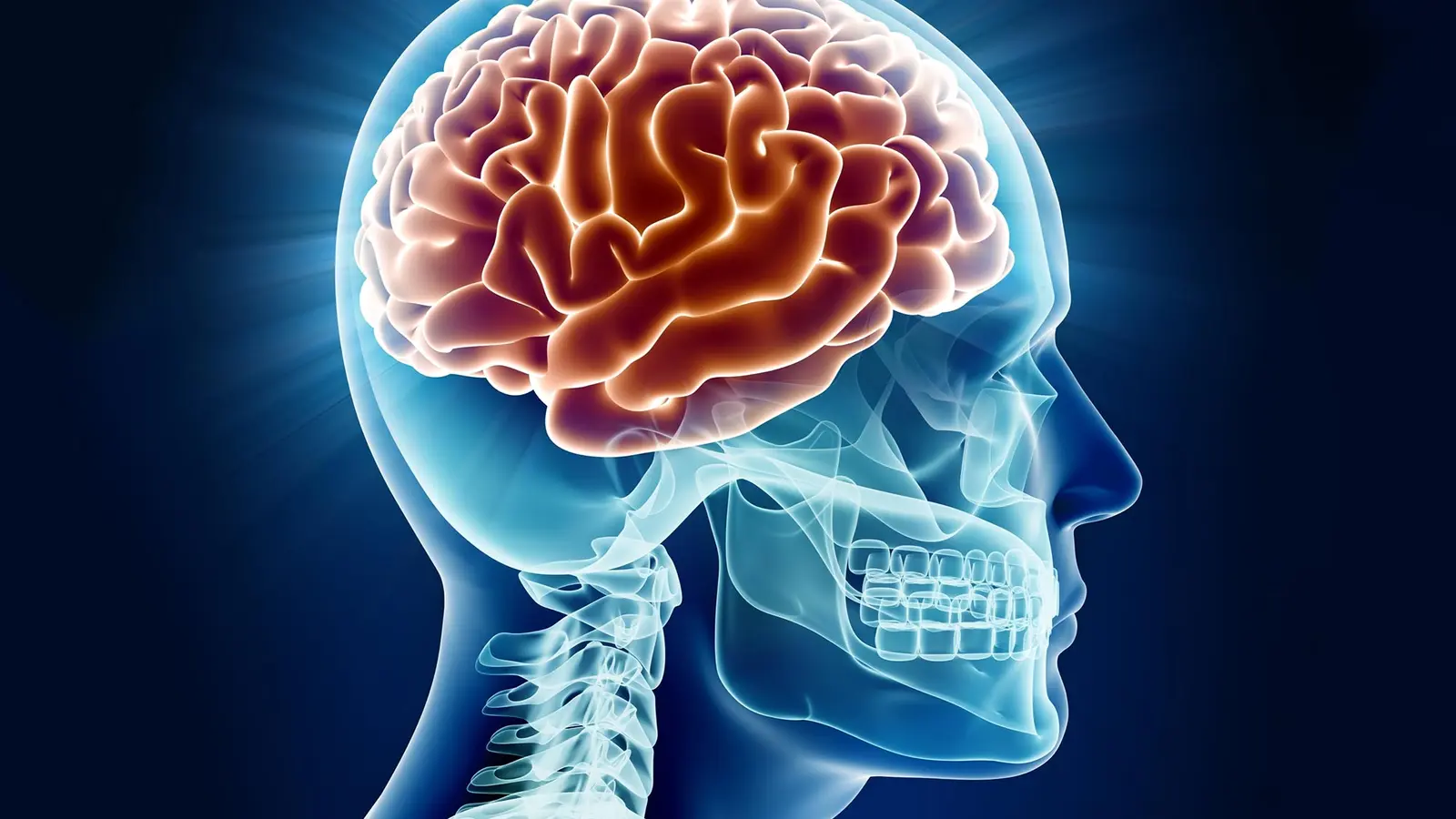
Imagine walking into a familiar house and finding the walls rearranged. Rooms are still there, but their doors lead to new places. That is roughly the picture emerging from recent single-cell studies of the human hippocampus: not a slow, passive decay but an active reorganization that begins in midlife and continues into old age.
Between midlife and older age, brain cells undergo unexpected shifts in inflammation and gene regulation. The findings suggest that brain aging may be an active biological remodeling process rather than a simple, gradual decline.
Researchers used high-resolution single-cell methods to profile cells taken from human hippocampal tissue across a wide adult age range. The hippocampus is central to forming and retrieving memories. By mapping gene expression alongside three-dimensional genome architecture in individual cells, the team produced one of the most detailed portraits yet of how cellular identity and regulatory landscapes change with age.

Genetic data can be analyzed to estimate your risk of certain conditions.
A midlife shift in the brain’s immune neighborhood
The most striking change begins roughly between ages 50 and 75. Microglia, the brain’s resident immune sentinels that arise during embryonic development, decline in number. In their place appear cells with molecular signatures more like blood-derived immune cells. In short: the brain’s local custodians are being partially replaced by visitors from the circulation. Why does that matter? Because these replacement cells carry stronger inflammatory programs.
Inflammation in the brain is not a single thing. It is a spectrum of states that can help with clean-up after injury but also, when persistent, fuel tissue dysfunction. If microglia that normally perform daily maintenance are lost or altered, waste products can accumulate and inflammatory cycles can start. That creates an environment more vulnerable to the processes we associate with Alzheimer’s and other neurodegenerative diseases. A separate, related finding was a measurable decline in the cells that support the blood-brain barrier, the protective interface that keeps many blood-borne substances out of brain tissue.
"Microglia are essential for maintaining brain homeostasis," said Bing Ren, PhD, a corresponding author on the study and Director at the New York Genome Center. "When their housekeeping duties falter, toxic materials can build up and trigger inflammatory cascades that may contribute to age-related neurodegeneration."

Genome architecture: when the cell’s filing system frays

The story does not stop with immune cells. Across several neuronal and non-neuronal cell types, the three-dimensional organization of the genome becomes less tightly arranged with age. DNA is not a loose string inside the nucleus. It folds, loops, and compartments itself in ways that control which genes are available to be read. Think of genome architecture as the cell’s filing system. Tight organization helps the cell find and use the right documents at the right time. When that structure loosens, gene regulation can become noisy and less reliable.
Single-cell mapping revealed broad erosion in those higher-order contacts. Genes that once sat near regulatory elements in youth may drift away with age. The functional consequences are large: changes in synaptic genes, metabolic regulators, and immune-related loci were all observed. This provides a plausible mechanistic link between altered gene regulation and the physiological signatures of aging seen at the tissue and organism level.
"This work is a major advance in showing how aging reshapes genome organization in human brain cells," said Nathan Zemke, Director of Single-cell Genomics at UC San Diego’s Center for Epigenomics. "To understand aging mechanistically we need to study both gene regulation and the spatial genome."
Those coordinated shifts across immune, vascular, and neuronal systems suggest that brain aging is not simply a random accumulation of damage. Instead, many systems appear to remodel together, changing how the brain responds to stress, clears debris, and preserves circuit integrity.
Mapping the change at scale
The study is part of a larger effort under the NIH-funded 4D Nucleome program, which has spent a decade mapping how genome architecture varies across cells, time, and conditions. By integrating multiple papers and datasets, the initiative is building a publicly available atlas that researchers can mine to link genome topology with development, aging, and disease vulnerability. The broader resource should accelerate studies that test whether interventions can preserve genome organization or reduce inflammatory replacements in midlife.
"Aging is not simply a gradual decline but involves dynamic remodeling of multiple systems," said Xiangmin Xu, PhD, who co-led parts of the project. "These results point to new therapeutic avenues aimed at preserving circuit integrity and cognitive function across the lifespan."
Expert Insight
"We have long treated aging as wear and tear, but these data suggest a programmatic component," said Dr. Elena Morozov, a fictional neurogeneticist and science communicator. "If immune composition and genome folding change in concert, then targeted strategies could aim to stabilize the environment microglia experience or to reinforce genome organization in vulnerable cell types. Neither approach is simple, but both are testable with current tools."
Conclusion
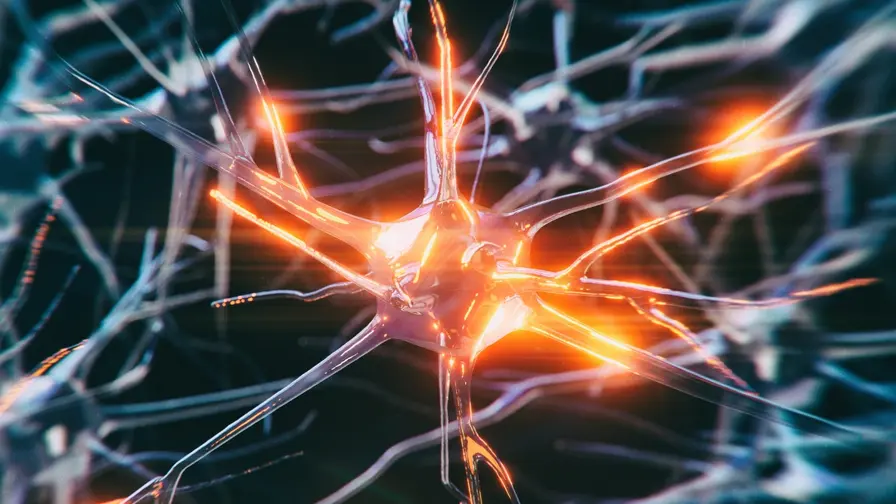
What emerges is a nuanced portrait of brain aging: a midlife tipping point when immune populations shift, support systems thin, and the genome’s spatial logic becomes less ordered. The hippocampus, critical for memory, appears especially affected. Recognizing aging as an active remodeling process reframes research priorities. It points scientists toward interventions that might preserve cellular architecture and immune balance, and in doing so, protect cognitive function as people age.

“The cosmos has always fascinated me. I write about space missions, astronomy, and the technologies pushing humanity beyond Earth.”

Discussion
Leave a Comment
Comments
No comments yet. Be the first.