
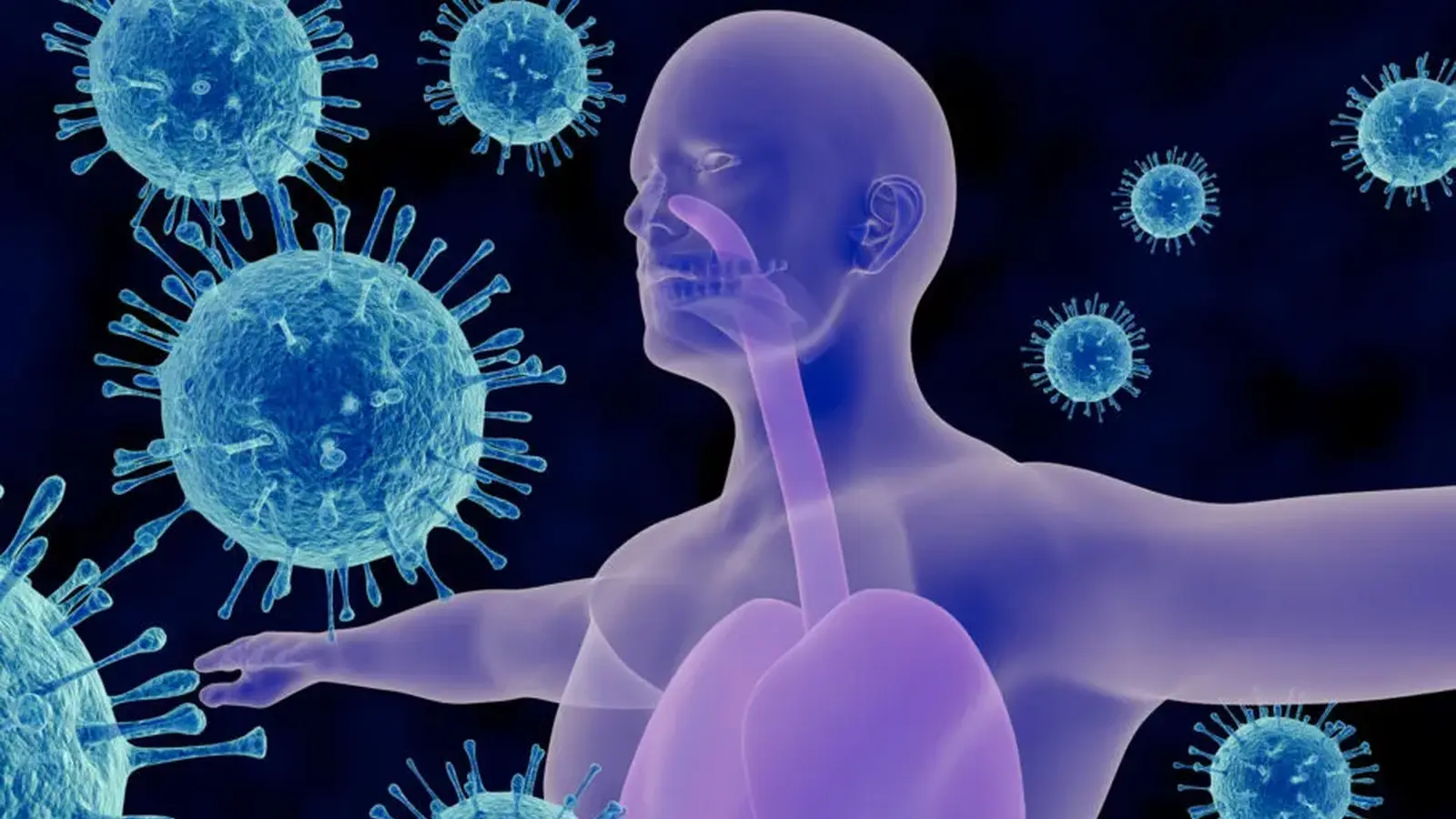
Paying attention to a sting or a burn is rarely considered therapy. Yet a new study suggests that deliberately noticing the sensations of inflammation can actually reduce the body’s local immune reaction. The effect is small and specific, but the idea is striking: perception can shape biology in real time.
A simple experiment with histamine
Researchers used a standard histamine skin test to provoke a short, measurable inflammatory response. Small amounts of histamine were applied to the skin of healthy volunteers, producing the familiar signs of localized inflammation: a raised bump and surrounding redness. Those measures — the diameter of the wheal (swelling) and the flare (redness) — are easy to record and change over the course of about 20 minutes.
Two complementary experiments were run. In the first, 37 people attended two sessions. In one session participants were instructed to focus their attention on the sensations at the stimulated site: the itch, the warmth, the discomfort. In the other session, their attention was diverted with entertaining videos. In the second experiment, with 20 volunteers, attention was guided with abstract shapes. In one condition the shapes served as a cue to attend to the skin; in the other they prompted a more detached evaluation of the shapes themselves. This second design helped separate the effect of attention from the content that captured it.
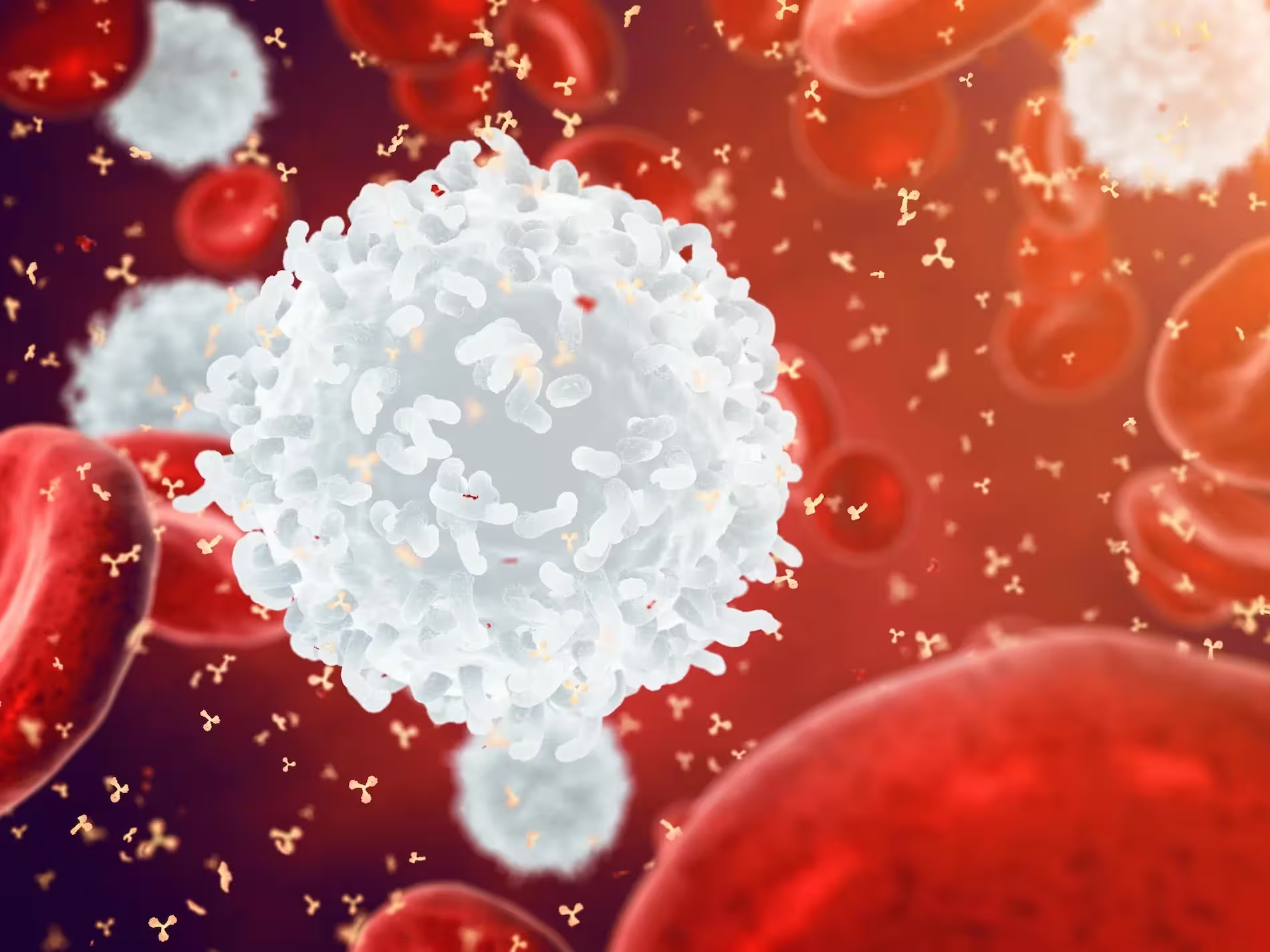
When attention shapes the immune response
The behavioral outcome matched earlier findings: people who focused on the inflamed patch reported greater subjective discomfort. They noticed the itch and the burn more strongly. But the surprising twist came from the biological measures. When participants focused inward on the skin, the measurable inflammatory response shrank.
In the first experiment the average wheal size while attending to the site was about 3.5 millimeters, compared with roughly 5 millimeters when attention was distracted. Redness averaged 10.6 millimeters under focused attention and 14 millimeters during distraction. Around 90 percent of participants showed larger inflammatory reactions when their attention was diverted; on average the swelling and redness were about 1.5 times greater in the distraction condition.
Focused attention also correlated with faster resolution. After 20 minutes, nearly 90 percent of people who had been instructed to monitor the sensation had wheal sizes that were stable or shrinking. That figure was 46 percent when attention was drawn away. The second experiment produced a similar pattern: directing attention to internal sensations reduced inflammation by roughly 1.6-fold, and most participants again showed larger reactions when their attention wandered from the site.

The study, published in Nature Human Behaviour, interprets these findings through a neuroimmune lens. Sensory signals from the skin reach the brain continuously. Heightening attention may boost the precision of those signals, giving the brain clearer information to tune downstream immune and autonomic responses. In short: the brain can act like a thermostat, and sharper sensing yields finer control.
Implications, limits, and next steps
The results are intriguing but limited. This was not a trial of treatments for infection, autoimmune disease, or chronic inflammation. The tested response was a brief, local reaction to histamine in a small group of 57 volunteers. It is therefore premature to claim that attention training can treat serious medical conditions. Still, the study opens pathways worth exploring.
- Mechanisms: Future work should trace the neural and molecular channels that link attention to immune modulation. Candidates include autonomic pathways and neuroimmune signaling molecules.
- Scope: Researchers need to test whether similar effects occur in longer-lasting inflammation, infections, or in people with chronic inflammatory disorders.
- Applications: If robust, this phenomenon could inform mind-body interventions that complement pharmacology rather than replace it.
Practically speaking, the effect reported is subtle. It does not imply that focused attention is a cure. Instead, it suggests that perception and peripheral immunity communicate more closely than often assumed. That has consequences for how scientists think about symptom monitoring, pain management, and behavioral approaches to inflammation.
Expert Insight
"The study adds an elegant demonstration that the nervous system can modulate peripheral immune responses on short timescales," says Dr. Laura Bennett, an immunologist at a biomedical research institute. "It reminds us that the brain is not merely a passive observer of somatic events. Attention alters the information the brain receives, and that can change downstream physiological decisions. The challenge now is to map the pathways and test whether the effect scales up in disease-relevant contexts."
Conclusion

Noticing a sting might make it feel worse. Paradoxically, the act of noticing could also dial down the biological flare. The finding is modest in scope but conceptually rich: subjective awareness and objective immunity are linked. Carefully designed follow-up studies will be needed to determine clinical relevance, reveal mechanisms, and explore whether attention-based strategies can complement standard care for inflammatory conditions.

“The cosmos has always fascinated me. I write about space missions, astronomy, and the technologies pushing humanity beyond Earth.”

Discussion
Leave a Comment
Comments
No comments yet. Be the first.