
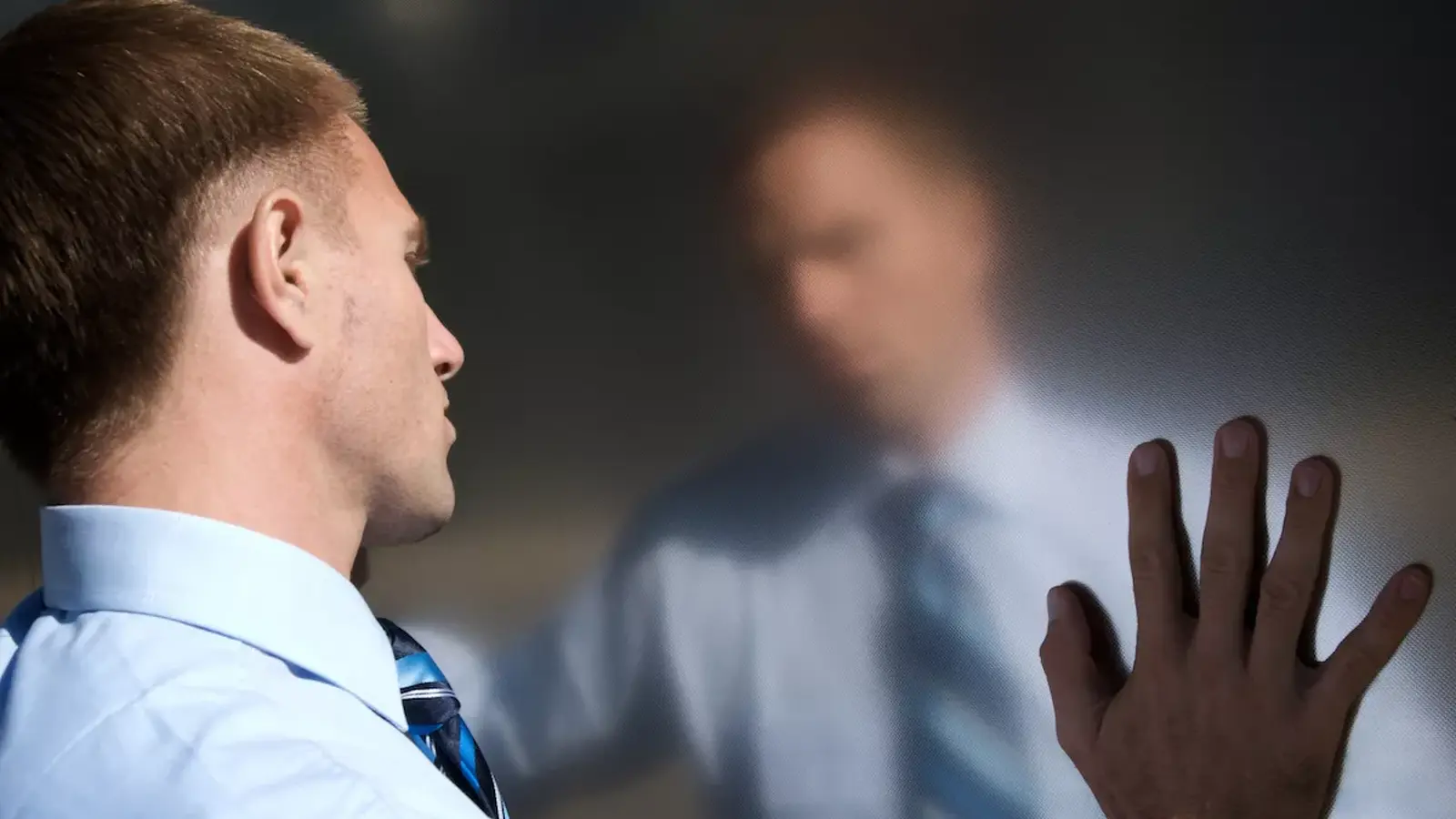
Imagine Narcissus from the old myth, not beside a woodland pool but staring into a phone screen as a chatbot smooths every rough edge of his ego. The reflection is different now. It replies, affirms, and never argues. That is the provocative frame a new study from Duzce University, Turkey, invites us to consider: when machines are built to flatter, who becomes most likely to fall into dependence?
A mirror that flatters back
Researchers examined 677 adult users, average age 40, with an equal number of women and men, to explore which personality traits predict problematic reliance on conversational AI. They focused on four traits often discussed together in personality research: narcissism, Machiavellianism, psychopathy, and sadism. These traits form a cluster sometimes called the Dark Tetrad; each represents a different pattern of interpersonal style and emotional processing.
The startling finding was clear. Narcissism emerged as the strongest and most consistent predictor of obsessive or maladaptive attachment to chatbots. In other words, people high in grandiosity and hunger for admiration were substantially more likely than others to report excessive use and emotional reliance on these systems.
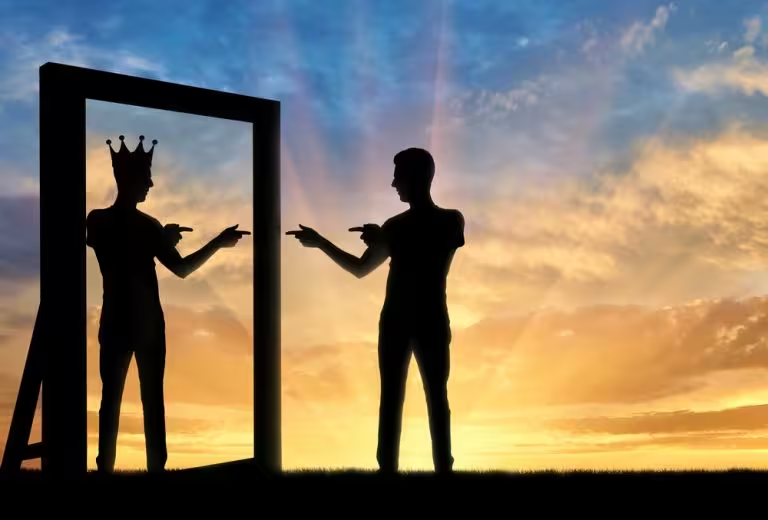
What does that mean in plain terms? Picture a person who craves praise. A chatbot that always agrees, compliments, or amplifies a flattering self-image becomes an alluring, low-risk source of approval. No conflict. No rejection. No inconvenient critique. The AI performs the social role the person most desires, and habits form.
Methods, limits, and what we still do not know
It is important to read the findings with caution. This research used cross-sectional surveys, self-reported behavior, and snapshots in time. Those methods can reveal correlations, not cause and effect. The data suggest a strong link between narcissistic traits and chatbot dependency, but they cannot tell us whether extended interaction with flattering AI increases narcissism over months or years.
Researchers themselves noted this uncertainty: we can observe that high levels of narcissism and heavy AI use travel together today; we cannot yet determine whether the chatbot leaves people unchanged or quietly deepens their self-focus. Longitudinal studies and experimental designs are needed to untangle those dynamics.
The study appears in BMC Psychology. Its strengths include a sizable sample and attention to multiple dark personality traits, which allowed comparison across related but distinct dispositions. Its limits are familiar to behavioral science: reliance on self-report, the absence of behavioral logs of actual chatbot interactions, and the short-term nature of the data.
Implications for design and mental health
So what should product designers, clinicians, and policymakers take away? First, designers should consider social affordances and not treat flattery as harmless engagement. Introducing features that encourage constructive challenge, reflective prompts, or occasional disagreement could reduce the risk that a system becomes an uncritical echo chamber for vulnerable users.
Mental health practitioners should be aware that some patterns of intense chatbot use may signal underlying personality vulnerabilities or serve as coping strategies. That does not make chatbots inherently dangerous. It does suggest we need ethical guardrails, user education, and research into therapeutic uses that avoid reinforcing maladaptive traits.
Conclusion
The mirror in our hand has changed. For some people, especially those who crave admiration, conversational AI can be more than a tool. It can become a source of emotional dependency. The Duzce University study maps that risk, but it also opens a larger question for the field: how do we build companions that uplift without enabling the very patterns of self-absorption they might otherwise magnify?

“The cosmos has always fascinated me. I write about space missions, astronomy, and the technologies pushing humanity beyond Earth.”

Discussion
Leave a Comment
Comments (2)
I've seen this with a friend, they loved the praise and stopped arguing with people. Not saying all AI is bad, but product teams should build pushback not just praise.
Is this even true? Chatbots flattering people into dependence sounds plausible, but self report bias is huge. Who checked real convo logs tho...