
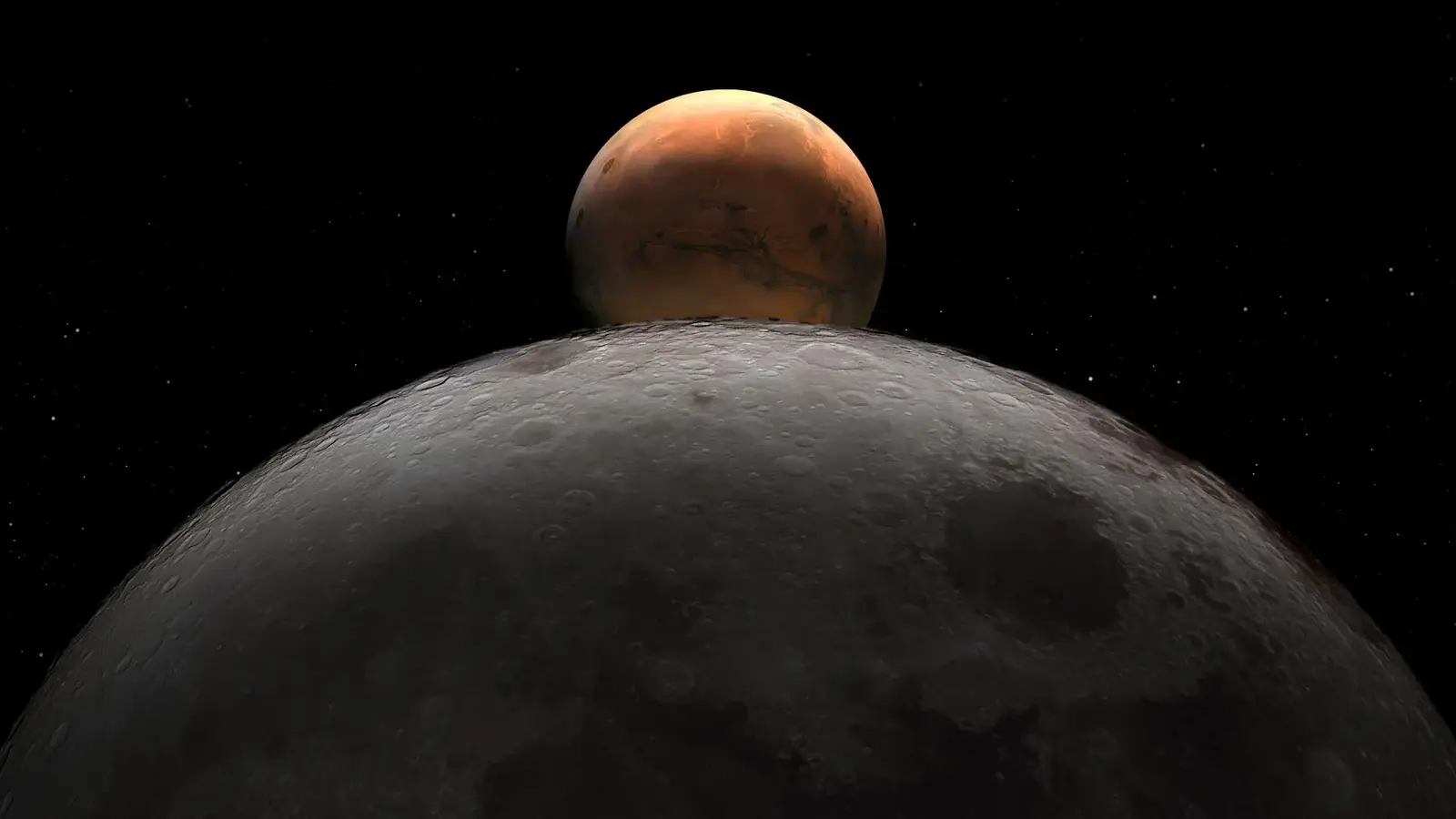
Picture a compact power hub humming quietly in the pitch-dark of a lunar crater, a tether of light beaming energy to a rover that will spend months operating where sunlight never reaches. That sort of scene is no longer science fiction. It is the kind of capability NASA and American industry are now co-developing.
Industry and agency, handshake without funding
Earlier this year NASA picked 41 proposals from 37 U.S. companies under its 2025 Announcement of Collaboration Opportunity program. The chosen projects target the nuts and bolts of sustained exploration: reliable power on the Moon, safe and precise surface operations, robust transport between orbits and planetary surfaces, and new ways to build and repair hardware off Earth.
These agreements are not traditional procurement contracts. Instead, ACO builds partnerships that give companies access to NASA facilities, engineering tools, and technical expertise to speed technology maturation. The goal is twofold: accelerate systems that could be used on future government missions, and help those technologies become commercially viable.
NASA has been running this program since 2015 and has supported well over a hundred projects. The agency provides in-kind resources worth several tens of millions of euros, while participating companies contribute additional funds and engineering time. Individual efforts typically run one to two years, with schedules negotiated case by case.

Where engineers are focusing their attention
Not every problem is headline-grabbing. A lot of the work aims to solve stubborn engineering headaches that determine whether long-duration lunar and Martian operations are practical.
- Space transportation engines and propulsion innovations to reduce risk and cost when sending cargo and crews.
- Guidance, navigation, and precision landing technologies to touch down near scientific targets and infrastructure.
- Power generation and energy management for long nights, shadowed regions, and high-demand installations.
- Systems for in-space assembly, servicing, and additive manufacturing so hardware can be made or maintained without constant Earth resupply.
- Surface protection and mitigation measures against abrasive lunar dust that degrades seals, joints, and thermal systems.
These priorities mirror the practical needs of Artemis-era missions and of any sustained human presence beyond low Earth orbit. They also line up with commercial markets that could benefit from lower-cost launch, longer satellite lives, or in-orbit servicing.
Three projects with outsized practical value
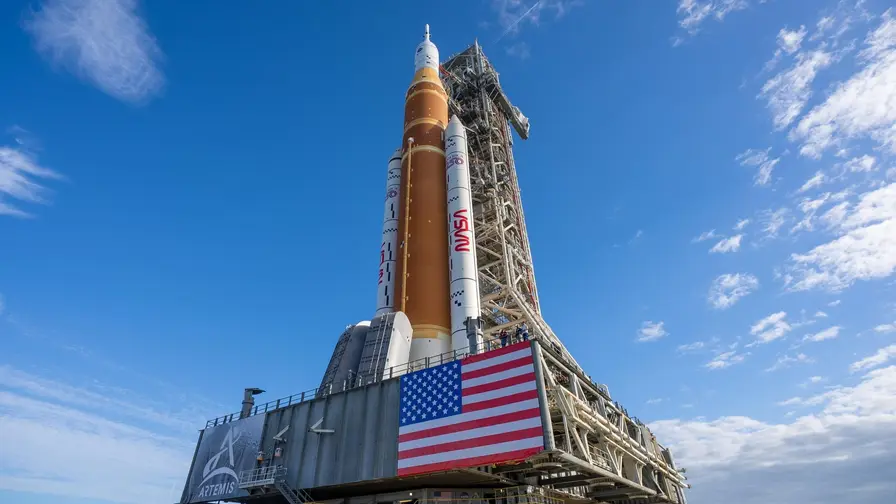
Some of the selected efforts stand out for how directly they tackle operational showstoppers.
Lockheed Martin is advancing a compact, modular energy system meant to work in permanently shadowed lunar regions, areas that never see sunlight and may harbor water ice. The system aims to be resilient through long lunar nights, and Lockheed is also pursuing wireless power transfer using fiber lasers, plus thermal hardware to reject heat reliably in the lunar environment.
Kall Morris Inc. proposes Asteria, an attachment method that lets additional payloads be added to spacecraft already in orbit without preinstalled mounting hardware. The approach uses a controlled-release adhesive to secure new components, potentially extending satellite lifetimes, enabling modular upgrades, and improving on-orbit logistics.
Moonprint Solutions is developing bendable covers that shield sensitive equipment from lunar regolith. That dust is not just dirty; it is electrostatically charged, extremely abrasive, and prone to infiltrate moving parts. Protective, conformal covers could prolong the life of rovers, robotic wrists, hoses, and other mechanical systems used in long-term surface operations.
Those three illustrate a broader trend: technologies must be robust, repairable, and compatible with commercial as well as government missions.
Expert Insight
Dr. Elena Morales, a systems engineer who has worked on lunar surface concepts, commented that these collaborations can change the development timeline. She said: 'Using agency testbeds and flight heritage accelerates risk reduction. That means promising ideas reach flight readiness faster, which is essential if we want operational capability on the Moon within a decade.'
Her point gets to the heart of the ACO model. Access to facilities and flight-like testing can be more valuable than direct grants in the early stages of hardware validation.
Conclusion
NASA's selection of 41 projects from American industry is a deliberate push to make long-term exploration feasible and affordable. The focus is pragmatic: power where the Sun does not shine, ways to attach and service hardware in orbit, systems that tolerate the Moon's punishing dust, and manufacturing approaches that minimize dependence on Earth. If these efforts succeed, they will not just enable missions. They will seed new commercial services and capabilities that change how humanity uses space.

“The cosmos has always fascinated me. I write about space missions, astronomy, and the technologies pushing humanity beyond Earth.”

Discussion
Leave a Comment
Comments (2)
I've worked on dust mitigation for rovers, those bendable covers could be a game changer. but durability in repeated cold cycles is the real test. if the thermal rejection tech actually pans out, huge upside
Wait, fiber lasers sending power across a lunar crater? sounds cool but is that realistic long-term. Who tests optics against micrometeoroids and dust, and what about thermal losses? hmm