
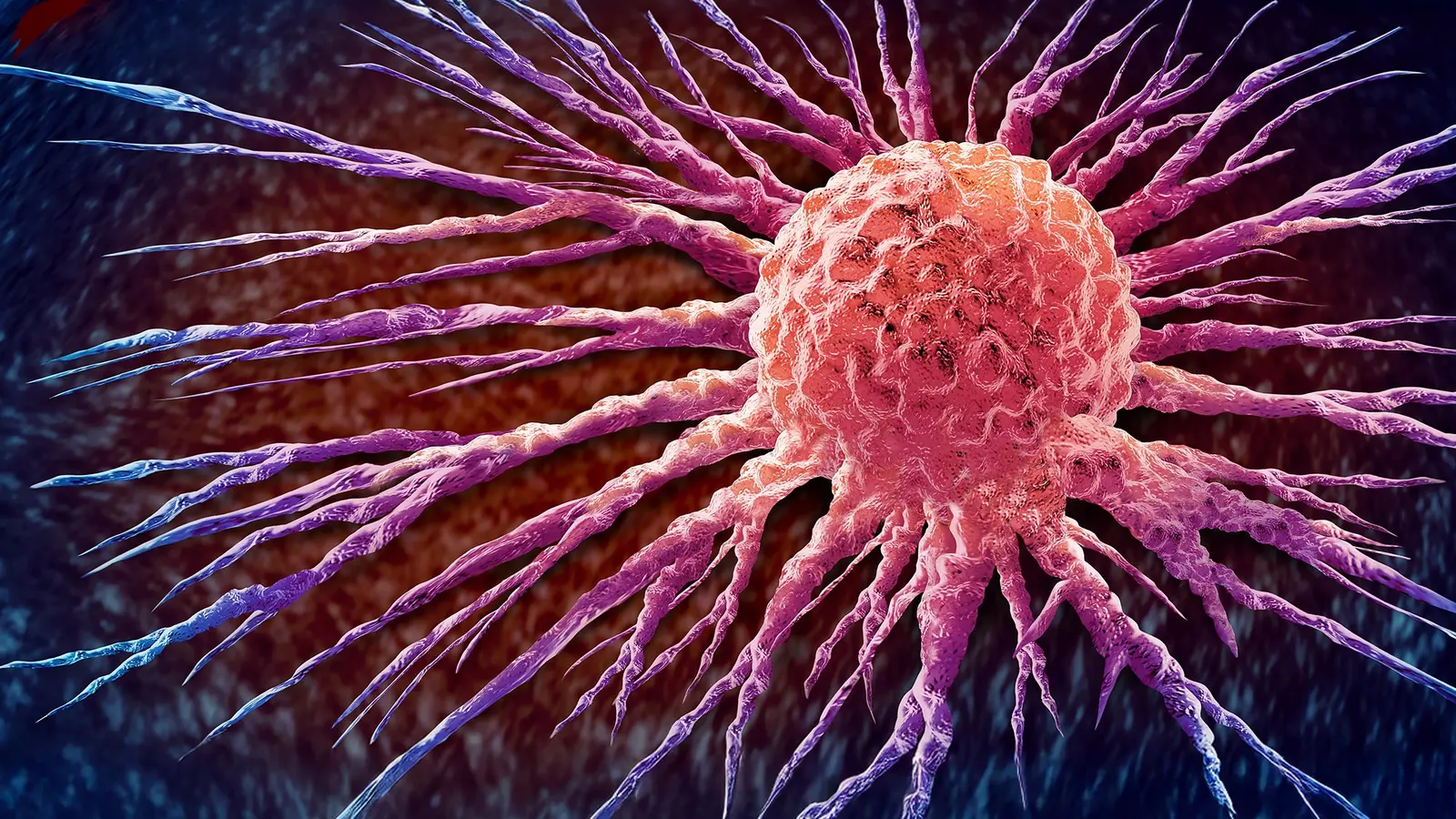
Imagine a drug that stops cancer cells the moment they try to flee. That is what a team at Umeå University and international partners report after laboratory work on an aggressive form of prostate cancer.
Researchers developed a fully human antibody that, in preclinical models, not only slowed tumor growth but prevented metastatic spread to distant sites. For patients and physicians, halting metastasis is the real game changer: once prostate cancer reaches lymph nodes or bone, treatments become more difficult and outcomes worsen.
Researchers have developed a fully human antibody that suppressed tumor growth and metastatic spread in preclinical models of aggressive prostate cancer.
How this antibody differs from existing approaches
Antibodies are already a mainstay in oncology. But this molecule is built entirely from human protein sequences, a design choice that lowers the chance of triggering immune responses when given to patients. In cell cultures and animal models used by the team, the antibody engaged a previously untargeted biological route. The result: tumors shrank and metastatic seeding was dramatically reduced.
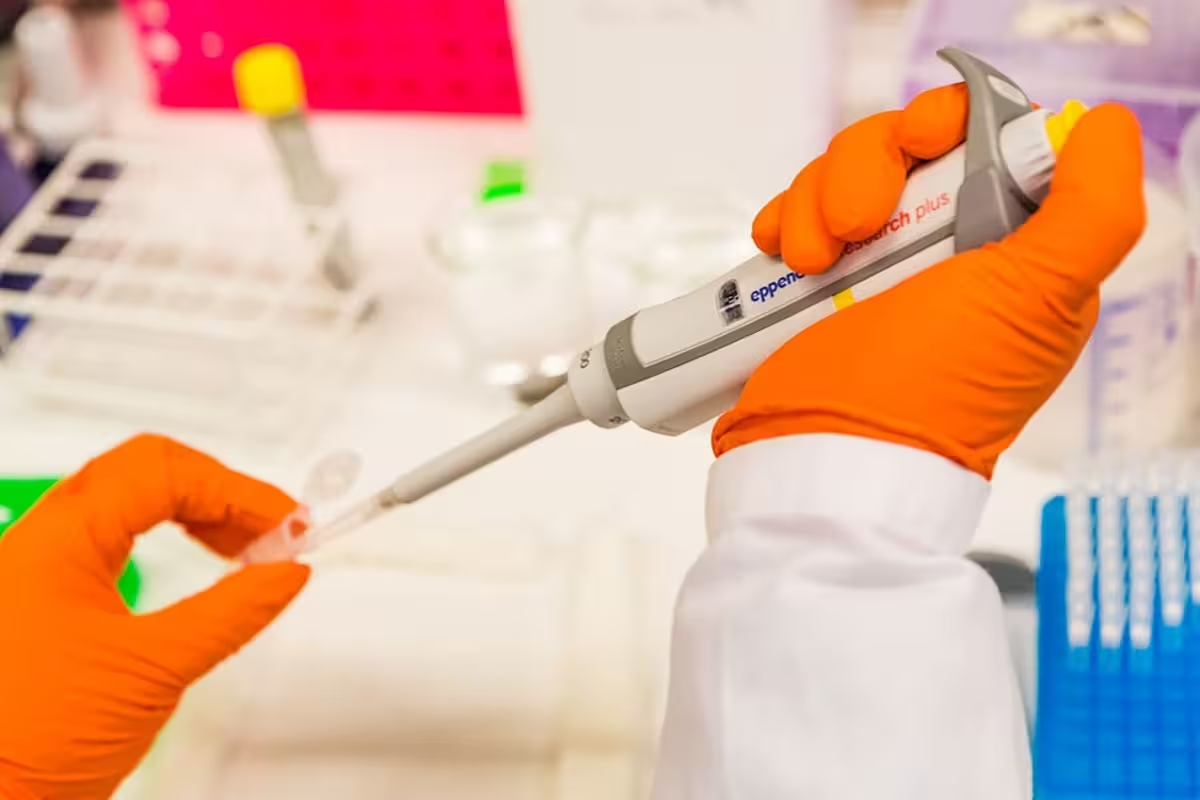
A new cancer drug may be able to inhibit both tumour growth and the spread of aggressive prostate cancer. The drug is carefully pipetted into test tubes to investigate its effects across a range of concentrations.
Why does that matter? Many therapies attack tumor proliferation or specific growth signals. Stopping metastasis requires cutting off the mechanisms cancer cells use to invade, survive in circulation, and colonize new tissue. According to the study authors, this antibody interrupts those steps by binding to a target involved in cell invasiveness and movement. That novel mechanism may also translate into fewer side effects compared with broader chemotherapies.
From lab bench to clinic: what’s next
No one is claiming a ready-made cure yet. The team, led by Professor Maréne Landström at the Department of Medical Biosciences, describes this as an important translational milestone. "The new drug has been developed to prevent metastasis, and we are very pleased and proud that we have been able to identify the mechanisms that drive cancer cell growth, invasiveness, and metastatic spread," says Landström, who is also a senior consultant physician.
Before patients can benefit, the antibody must pass several additional tests. Safety studies are next. Regulatory clearance will be required both in Europe and in the United States. The authors stress that these steps are standard but essential; many promising therapies do not clear them.
Development and testing relied on specialized infrastructure and industry partnerships. SciLifeLab’s Drug Discovery and Development Platform helped optimize the candidate molecule. The Umeå Biotech Incubator provided logistical support, and funding and experimental resources came from MetaCurUm Biotech AB based in Umeå. Those collaborations accelerated the move from concept to reproducible preclinical data.
Implications beyond prostate cancer
One intriguing question: could the same strategy work against other solid tumors? The biology of metastasis shares common elements across cancers, so a therapy that blocks those shared pathways may have broader use. The researchers plan to test the antibody in additional tumor types and in more complex models that better mimic human disease.
A second point is practical: fully human antibodies are easier to translate into clinical-grade medicines. Reduced immunogenicity and a clear target make clinical trial design more straightforward. If safety tests go well, the next phase would be early human trials focused on safety, dosing, and biomarkers that indicate whether the antibody is engaging its target in patients.

Maréne Landström is senior consultant (attending) physician and Professor of Pathology at the Department of Medical Biosciences, Umeå University.
Expert Insight
Dr. Elena Roth, a cancer biologist not involved in the study, reflects: "Stopping metastasis is the holy grail in many tumor types. What makes this work promising is the combination of a human-derived molecule and a clearly defined mechanism. If those results replicate in safety studies and early human testing, it could shift how we approach advanced prostate cancer."
Conclusion
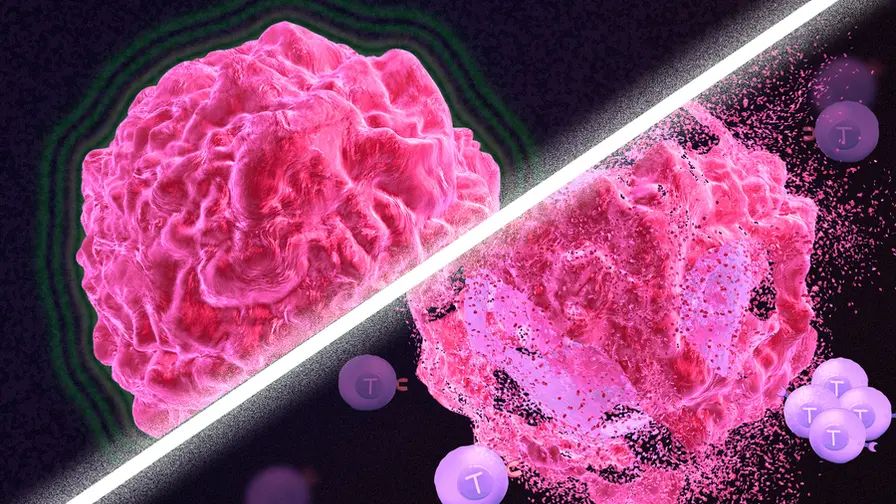
This antibody is not yet a therapy, but it represents a strategic advance: targeting the escape routes cancer cells use to spread. The work highlights how academic labs, national platforms, and regional biotech firms can together push a concept toward clinical reality. For men facing aggressive prostate cancer, the possibility of a treatment that prevents metastatic spread would change both prognosis and quality of life. The path remains long, but the direction is clear—one more viable route to stop cancer from traveling through the body.

“My work centers on sustainability, energy, and environmental science — examining how innovation can lead to a greener future.”

Discussion
Leave a Comment
Comments (2)
Promising, sure, but how specific is that antibody? Off target effects, immune stuff, dosing? Need solid safety data first.
Wow if this really halts metastasis it could change lives... but lab success ≠ cure, long road ahead still I'm hopeful.