
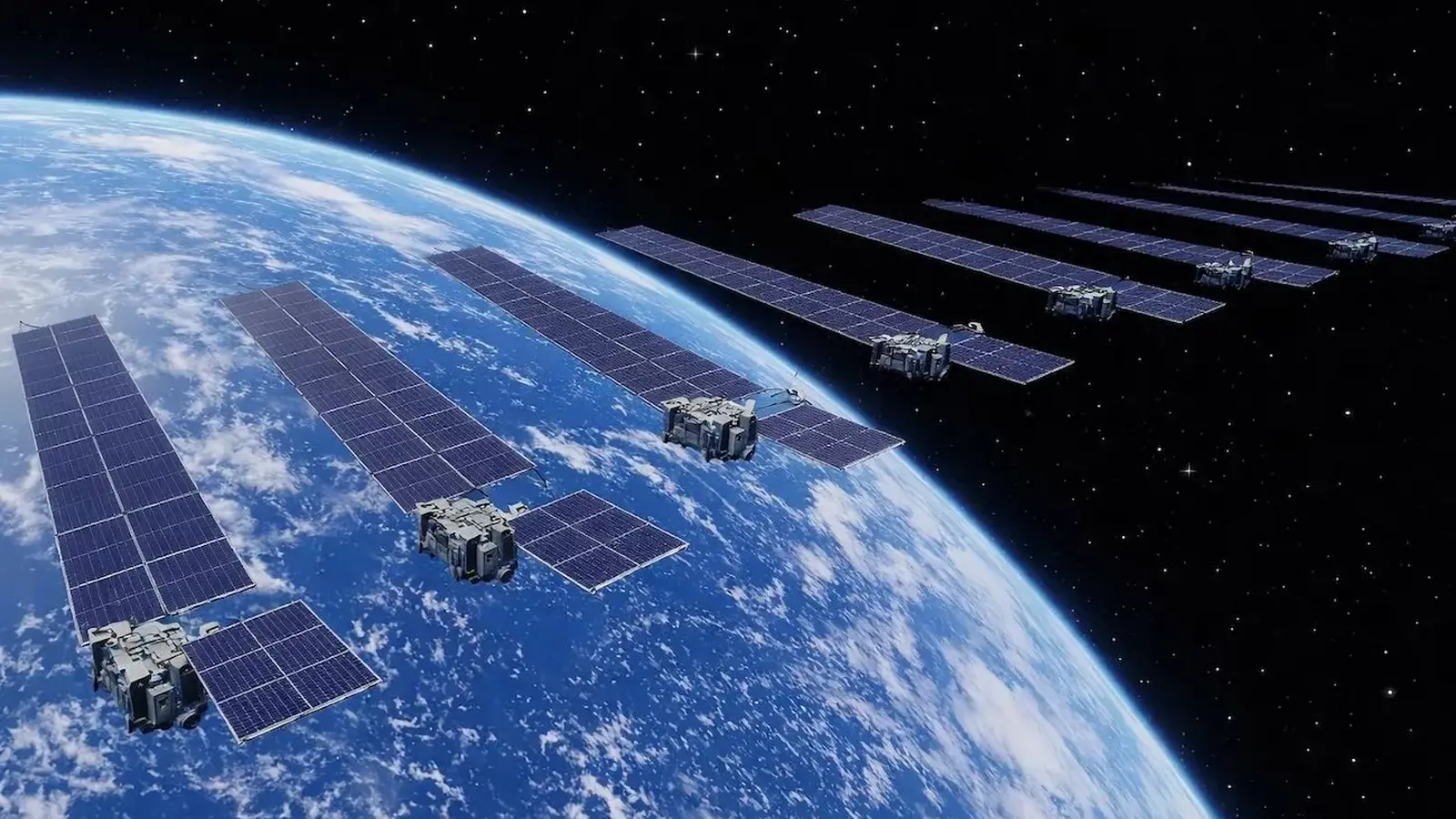
The night sky is suddenly a battleground. On one side are promises of energy-efficient cloud computing beamed from orbit. On the other side are astronomers, observatories, and concerned scientists warning that a plan to place up to one million artificial intelligence satellites in low Earth orbit could unravel decades of astronomical progress and dark-sky heritage.
Permit issued, alarm raised
Last week, the U.S. communications regulator approved a sweeping license that clears the way for SpaceX to deploy as many as one million small satellites as part of a proposal called StarMind. SpaceX argues the idea is simple: move energy-hungry AI data centers into space where near-continuous solar power could slash terrestrial electricity and water use. The regulator framed the approval as a forward-looking step for technological growth, even suggesting the project nudges humanity toward a higher level of energy harnessing.
The reaction from the astronomical community has been visceral. The American Astronomical Society expressed sharp disappointment and warned the scale of this constellation would seriously weaken the federal investment in ground-based facilities and the ability of scientists and the public to experience and study the night sky. The European Southern Observatory called the plan fundamentally disruptive, saying it would change how the sky looks to everyone, everywhere.
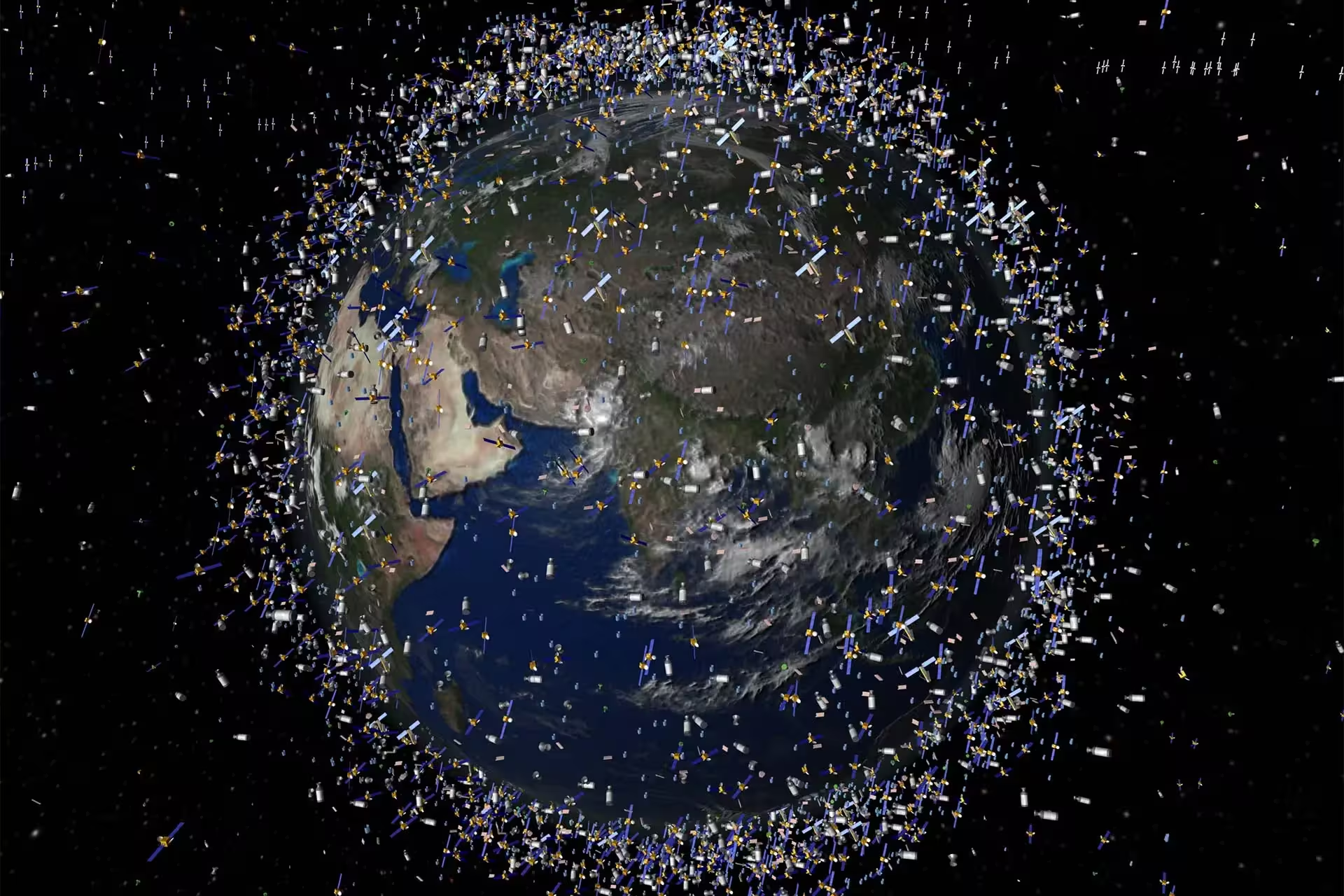
How a forest of satellites interferes with science
Why the uproar? The impacts are not hypothetical. Satellites reflect sunlight and emit radio signals. Long-exposure optical and infrared images can capture bright streaks that ruin data. Radio telescopes depend on extremely quiet bands of the spectrum; hundreds of thousands of active transmitters in low orbit raise the odds of harmful interference. Put another way, the gain in compute capacity would come at the cost of degrading the instruments used to measure the universe.
Recent analyses amplify those concerns. An observatory study published in March 2026 found that constellations of up to 60,000 satellites have a measurable but limited effect on astronomical imaging. Scale that up to a million, and streaks would appear across a majority of long-exposure frames taken by modern telescopes. That means not just lost observing time, but systematically biased datasets for surveys hunting everything from near-Earth asteroids to the subtle fingerprints of the early universe.
There are also physical risks in orbit. A dramatic increase in satellite numbers raises collision risk and the potential for cascading debris generation, a scenario known as Kessler syndrome. Debris clouds can persist for years and imperil both scientific missions and commercial satellites. Launch-related atmospheric pollution is another worry. Frequent heavy launches inject emissions and particulates into the upper atmosphere that could affect ozone chemistry and climate in ways that are not yet fully quantified.
Engineering promises, practical limits
SpaceX has argued that the satellites would run directly on solar energy and require minimal operational overhead, delivering unprecedented cost and energy efficiency compared with ground data centers. A U.S. Government Accountability Office report issued in July cautioned that orbital data centers could reduce land, water, and power demand on Earth, but the GAO also stressed major engineering and economic obstacles. Heat rejection in vacuum is a nontrivial challenge. Computers generate heat; radiators and thermal control systems take mass and complexity. Cooling processors in space will require novel designs and may negate some expected efficiency gains.

Logistics are daunting too. A Columbia University policy center study warned that to move even 10 percent of forecast AI data-center capacity to orbit by 2030 would demand more than 700 heavy rocket launches annually. That is about two heavy launches every day, nonstop. The same analysis warned that current governance and operational frameworks are not prepared for the pace and scale implied by such a launch cadence.
Regulatory timelines and deployment milestones
The license sets firm milestones. Deployment must begin by November 2033. SpaceX is required to deploy at least 10 percent of the maximum authorized constellation by November 2035, which would be roughly 100,000 satellites, and to reach half that maximum by November 2038. Observers note those deadlines create strong incentives to accelerate launches, increasing short-term environmental strain and orbital management complexity.
Competitors have reacted too. Amazon and other operators say the scale proposed may be unachievable and that realistic deployment will likely be slower. That does not resolve the risk, though. Even partial rollout at tens or hundreds of thousands of satellites would materially affect night-sky observing and orbital traffic management.
Scientific and cultural stakes
This is both a scientific and a cultural conversation. Astronomical observatories are not just instruments; they are investments in a shared human habit of looking up. Dark skies are part of cultural heritage. When a constellation populates a large swath of the sky, it changes how stars are seen by people on the ground, alters inspiration for artists and educators, and removes faint signals that are the focus of cutting-edge physics and cosmology.
Policy frameworks matter because many consequences cross national borders. Space is global by design. Fragmented regulation risks creating a patchwork where risks are managed inconsistently and where mitigation measures fail to cover effects like orbital debris build-up and cross-border radio interference.
Expert Insight
Dr. Elena Morales, an astrophysicist and space policy analyst, offered a practical perspective: "The question we face is not whether orbital data centers are clever engineering, but whether we can balance that engineering with stewardship of the orbital environment and the scientific infrastructure we already depend on. Technological ambition needs to be paired with stricter traffic rules, transparent impact assessments, and international agreements that prioritize both safety and scientific access."
Conclusion

The StarMind proposal highlights a growing tension between fast-moving commercial ambitions and the slower, cumulative value of scientific infrastructure. The promise of lower terrestrial energy use and dramatic compute capacity must be weighed against measurable risks to astronomy, orbital safety, atmospheric chemistry, and the cultural value of dark skies. Regulators, companies, and the international scientific community will need to find common ground if ambitious orbital data centers are to proceed without extracting irreversible costs from the sky above us.

“My work centers on sustainability, energy, and environmental science — examining how innovation can lead to a greener future.”

Discussion
Leave a Comment
Comments (2)
Solar power sounds nice, but how do they get rid of all that heat up there?
A million satellites?? I'd want to see the actual permit before believing that number tbh