
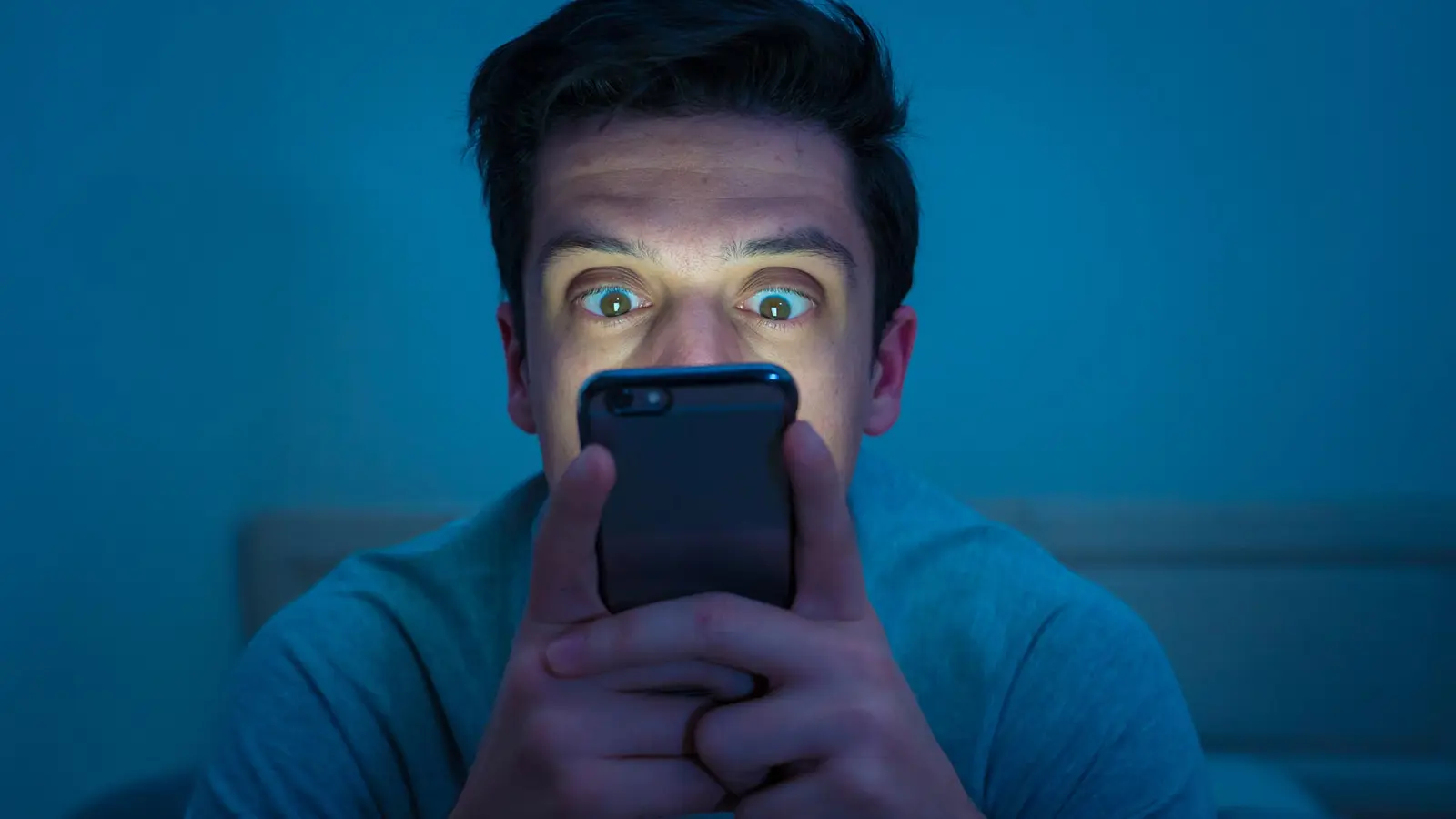
On an ordinary evening, small points of stray light creep into our bedrooms: a phone screen left glowing, a refrigerator LED, a sodium lamp outside the window. Few of us think those little photons are doing anything other than ruining a good night’s sleep. New research suggests they may be doing more than that — subtly changing the anatomy and mechanics of the heart.
Researchers analyzed data from more than 11,000 volunteers and found a link between higher nighttime light exposure and measurable changes to heart structure and function. The work, published in the European Heart Journal, used objective measures: participants wore wrist light sensors for a week, and roughly three years later they underwent cardiac magnetic resonance imaging. What the scans revealed raises questions about how modern lighting may be reshaping cardiovascular risk on a population scale.
How the study tracked light and the heart
The investigators used wrist-worn sensors to quantify light exposure over seven consecutive days, then compared people who experienced more than three lux at night with those who were effectively in darkness. For context, one lux is roughly the illumination of a single candle at a short distance. Three lux is dim by everyday standards but common in bedrooms with small light sources or with urban skyglow filtering in.
Three years after the light-monitoring period, participants received cardiac MRI scans, which are currently the gold standard for assessing chamber sizes, wall thickness and myocardial performance. The team examined multiple cardiac chambers rather than focusing on one metric. That broader view allowed them to detect a pattern of remodeling rather than an isolated abnormality.
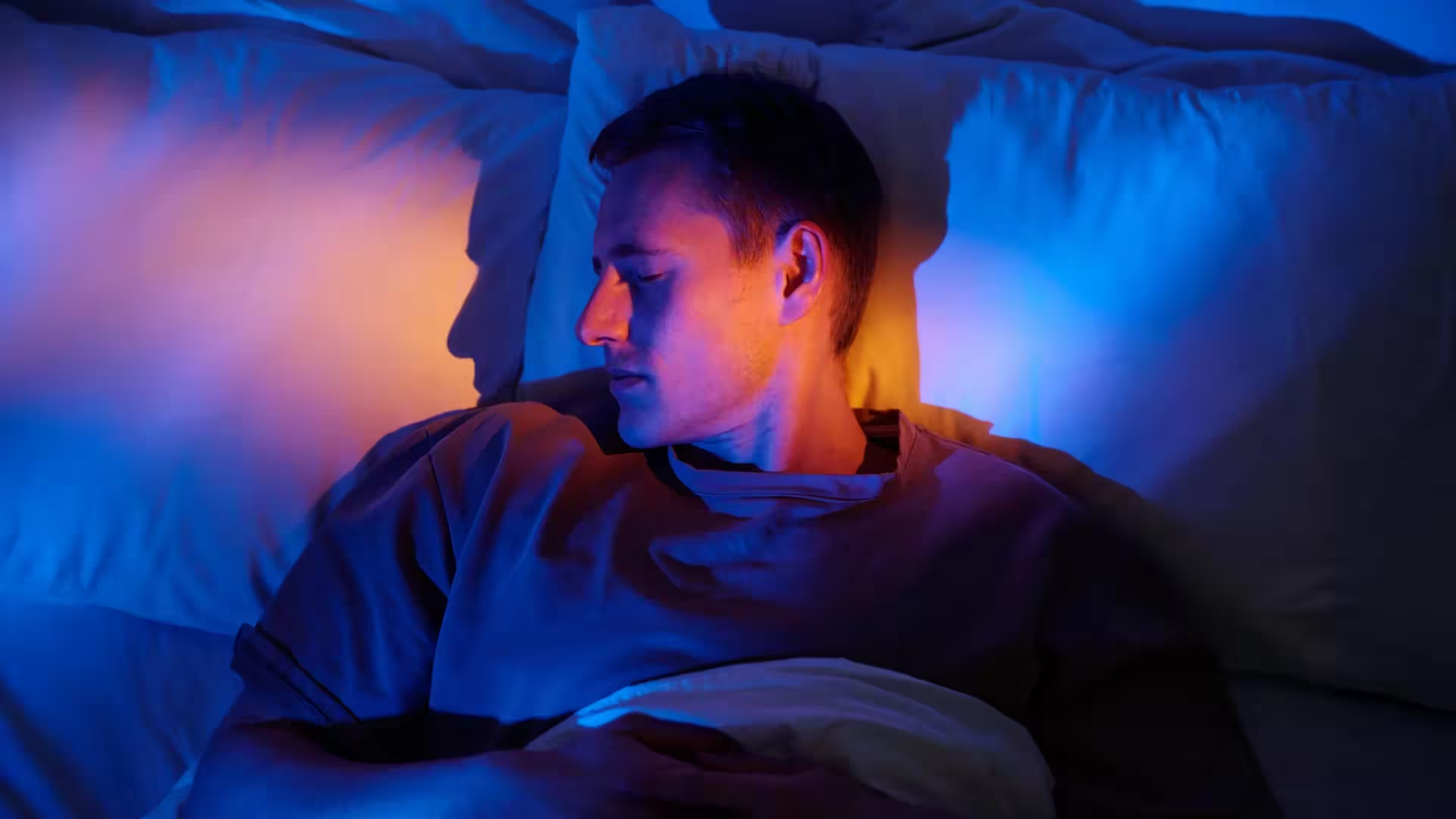
Results were consistent and biologically plausible. People with higher nighttime light showed thickening of the left ventricular wall, which reduced the chamber’s internal volume. The muscle also appeared less able to deform and relax during each heartbeat, a subtle sign that pumping efficiency could be compromised over time. Similar changes showed up in the right ventricle and left atrium, indicating a global cardiac response rather than a focal problem.
Lead investigator Professor Lu Qi of Tulane University framed the study as an attempt to move beyond earlier epidemiological associations linking light at night to higher cardiovascular risk. His team wanted to know what the heart actually looks like after chronic exposure to nocturnal light. Their conclusion: the organ seems to respond in ways that mirror chronic stress or low-grade injury — adaptive at first, harmful if persistent.
Why reduced darkness might matter biologically
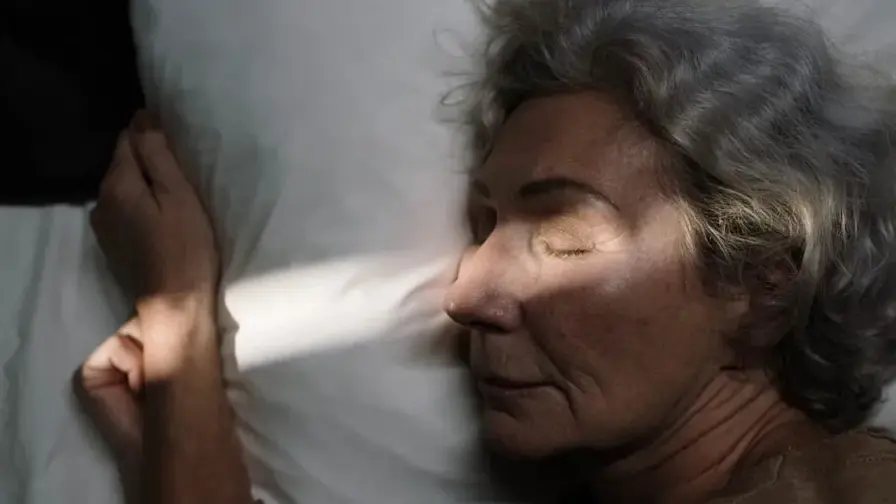
Nighttime light disrupts circadian rhythms, the internal clock that times sleep, hormone release and metabolic cycles. Disruption can raise blood pressure, alter glucose metabolism and elevate inflammation. Each of those pathways is already implicated in cardiac remodeling. When you add chronic sleep fragmentation and sympathetic activation from constant light cues, the cardiovascular system may undergo structural shifts as it adapts to a prolonged stressor.
The study’s dose–response signal was notable: more light exposure correlated with larger and more consistent changes in cardiac structure and function. That pattern strengthens the case for a causal link, though observational studies cannot prove causation outright. Still, the magnitude of the associations was large enough to be clinically meaningful, according to the authors, and consistent with mechanistic expectations from sleep and chronobiology research.
Simple changes at home could reduce exposure and may protect heart health.
Practical measures are inexpensive: blackout curtains, warm-coloured bedside lamps, and covering tiny standby LEDs on appliances. From a municipal perspective, replacing bright blue-rich streetlights with shielded, warm-spectrum fixtures and using motion-activated dimming could substantially reduce urban skyglow without sacrificing safety or energy efficiency.
Expert Insight
"We have long focused on diet, exercise and smoking as the pillars of cardiovascular prevention," said Dr. Anna Reid, a sleep cardiologist at the Riverside Institute for Cardiovascular Health. "This study forces us to add another, low-cost pillar: preserving nighttime darkness. It is a modifiable exposure, and one where public policy and individual choices can make immediate differences."
Dr. Reid added a practical note. "Patients with high blood pressure or early heart failure should be asked about their sleep environment. Often a cheaply applied fix — better curtains or removing a charging light — can improve sleep quality and reduce a chronic stressor on the heart."
The European Heart Journal editorial that accompanied the study argued for clinicians to begin routinely asking about bedroom lighting, night shift work and evening screen habits. That commentary emphasized that light pollution is one of the few environmental hazards cities can directly control at relatively low cost, by installing shielded fixtures, selecting warm-spectrum bulbs and using dimming or motion-sensor technologies.
Conclusion

What looks like a trivial convenience — a softly lit room at night — may carry a hidden cardiovascular cost. Objective monitoring in a large cohort links higher nocturnal light exposure with structural remodeling of the heart in ways that can make it stiffer and less efficient. While further research is needed to establish causality and to test whether reducing light exposure reverses these changes, the precautionary steps are clear and affordable. Darkness, it appears, is not just about better sleep; it may be a quietly vital part of a heart-healthy lifestyle.

“My work centers on sustainability, energy, and environmental science — examining how innovation can lead to a greener future.”

Discussion
Leave a Comment
Comments (2)
Is this even causal? wrist sensor 7 days, MRI 3 years later, so many confounders. still curious if dimming lights actually reverses those changes
wow didnt expect tiny night lights could reshape your heart… kinda freaky. gonna cover the fridge LED tonight, cheap fix. sleep matters